

First Education

Creative writing

Post Image

Creative writing is a task that many students find intimidating, particularly those who do not naturally gravitate toward English or literature-based subjects. In my experience, it’s quite common for students to freeze or go blank when presented with an open-ended creative writing prompt. The pressure of having to generate ideas from scratch can feel overwhelming, which often leads to disengagement. However, with the right strategies and scaffolding, even reluctant writers can become more confident and willing to participate.

One effective approach is to begin with short bursts of descriptive writing. Instead of asking students to produce a full story, provide them with a clear, focused prompt and limit the writing time to just five to ten minutes. For example, ask them to describe a specific setting using sensory details. This time constraint reduces overthinking and helps students focus on simply getting words on the page. It also builds their descriptive skills in a manageable way, making the task feel less daunting.

Another strategy I like to use is working with pieces of flash fiction. Provide students with a short text and ask them to rewrite it from the perspective of a different character. This gives them a solid starting point, which can significantly reduce the anxiety of coming up with ideas independently. It also encourages them to think more deeply about character voice, perspective, and motivation. Through this exercise, students are naturally guided to experiment with dialogue and to step inside a character’s mindset—something they may not do instinctively on their own.

Finally, it’s important to avoid giving overly vague writing prompts, especially in the early stages. The more structure and support students have at the beginning, the better. Clear guidance, specific scenarios, and strong examples can provide a valuable launching pad. As students grow in confidence, this support can gradually be reduced, helping them develop independence while still feeling capable and prepared.

Nahian Khan

Why being a good person is important

Post Image

Being a good person is important because it shapes not only our own character but also the world around us. At its core, being good means showing kindness, honesty, respect, and empathy toward others. These qualities help build strong relationships, create trust, and foster a sense of community. Without them, society would struggle to function effectively, as cooperation and mutual understanding would break down.

One of the main reasons being a good person matters is that it positively impacts others. Small acts, such as helping someone in need or simply being polite, can make a significant difference in someone’s day. These actions often create a ripple effect, encouraging others to act kindly as well. In this way, goodness spreads and contributes to a more supportive and caring environment.

Being a good person also benefits the individual. People who act with integrity and compassion tend to feel a stronger sense of purpose and self-worth. They are more likely to build meaningful relationships and earn the respect of others. In contrast, negative behaviors such as dishonesty or selfishness often lead to conflict, loneliness, and regret.

Furthermore, good character plays an important role in long-term success. Employers, friends, and communities value individuals who are trustworthy and respectful. Skills and intelligence are important, but without good character, it is difficult to maintain lasting success or positive connections.

In conclusion, being a good person is essential because it strengthens relationships, improves society, and enhances personal well-being. While no one is perfect, striving to act with kindness and integrity can make a lasting difference in both our own lives and the lives of others.

Evan Mihail

How to Tackle Wordy or Tricky Exam Questions

Post Image

We’ve all been there — staring at an exam question that feels more like a riddle than a clear prompt. Wordy or tricky exam questions are designed to test more than just content knowledge; they challenge your reading comprehension, critical thinking, and ability to apply what you’ve learned in unfamiliar ways. But with the right strategies, you can break them down and respond with confidence.

1. Read the question carefully — twice.
It’s easy to miss key details when you skim. Always read the question slowly, then read it again to spot hidden cues, command words (like explain, justify, or compare), and constraints (like “using only data from the table above”).

2. Highlight or underline keywords.
Pull out the most important words or phrases. What exactly is the question asking you to do? Are there multiple parts? Is it referring to a graph, scenario, or formula? This helps keep your answer focused.

3. Rephrase the question in your own words.
Before answering, try putting the question into simpler language. This ensures you understand it and helps reduce anxiety caused by complicated wording.

4. Plan your response.
Don’t just start writing. Take 20–30 seconds to jot down key points or steps, especially for extended responses. A quick outline can save time and help keep your answer structured and relevant.

5. Don’t overthink it.
Sometimes tricky questions seem difficult because they look different — but they’re still testing familiar concepts. Trust your preparation and focus on applying what you know logically.

Finally, practice is key. The more past papers and unfamiliar question styles you expose yourself to, the more comfortable you’ll become with handling complex wording under pressure.

julian podgornik

The issues of increasing technology usage in primary school mathematics

Post Image

The ever-growing use of technology within primary classroom settings is inevitable in our modern-day society and while digital resources can be used effectively it also has the potential to limit opportunities for students to actively engage in working mathematically and focus on learning with overbearing stimulants and distractions. Research has shown excessive or unrefined use of ICT can negatively impact mathematical learning through distractions and time wasting. it has been proven that technology often encourages speed and getting the answer over reasoning and process reducing engagement in and development of essential working-out strategies. This contradicts the NESA syllabus’ stressed importance of working mathematically as students skip necessary steps with the goal being the answer. Online math tools such as Mathletics provide students with instant feedback stating if the students answer was correct or incorrect, they also provide working out tools and methods of finding an answer however students rarely utilise these tools preferring to just complete the work as fast as possible. This shift away from procedural fluency and conceptual understanding has significant repercussions on the value and effectiveness of mathematics learning by limiting the depth of students knowledge. Technology has also been proven to drastically reduce attention span which is likely the cause of students disinterest in true learning and deeper understanding when using ICT. Often in classrooms when using technology in a lesson if students finish early the teacher will allow them to do some other tasks still using technology, which appeals as a reward and incentive to move quickly through work. Technology should be purposeful and strategically integrated into learning practices rather than a convenience. Students, particularly those in primary school, should engage in manual working-out and reasoning when completing mathematical problems and should turn to digital tools only when checking their work or extending their understanding. This ensures that technology is a supportive device rather than it continually replacing cognitive processes.

Kaeley Pitt

The Power of Chemistry

Post Image

Every material you see around you, including the air you breathe and the water you drink, is made up of chemicals interacting in different ways. Studying chemistry gives you the chance to understand those interactions and see the world from a completely different perspective. It turns everyday things like cooking food, rust forming on metal or fireworks lighting up the sky into questions that science can explain.

One of the reasons Chemistry is such an important subject in high school is because it explains how substances are built and how they change. From atoms and molecules to chemical reactions, chemistry shows how matter behaves and why different materials have the properties they do. Once you begin learning about bonding, reactions and energy changes, you start to see that many ordinary things around you are the result of complex chemical processes.

Chemistry also helps you develop useful problem-solving skills. You learn how to analyse information, follow logical steps and understand how different variables affect outcomes. These skills are valuable not only in science but in many other areas of study.

Most importantly, chemistry helps you understand the materials and processes that shape the world around you, from medicines and fuels to environmental solutions and new technologies.

Nabil Harrar

Building Routine in Tutoring Sessions

Post Image

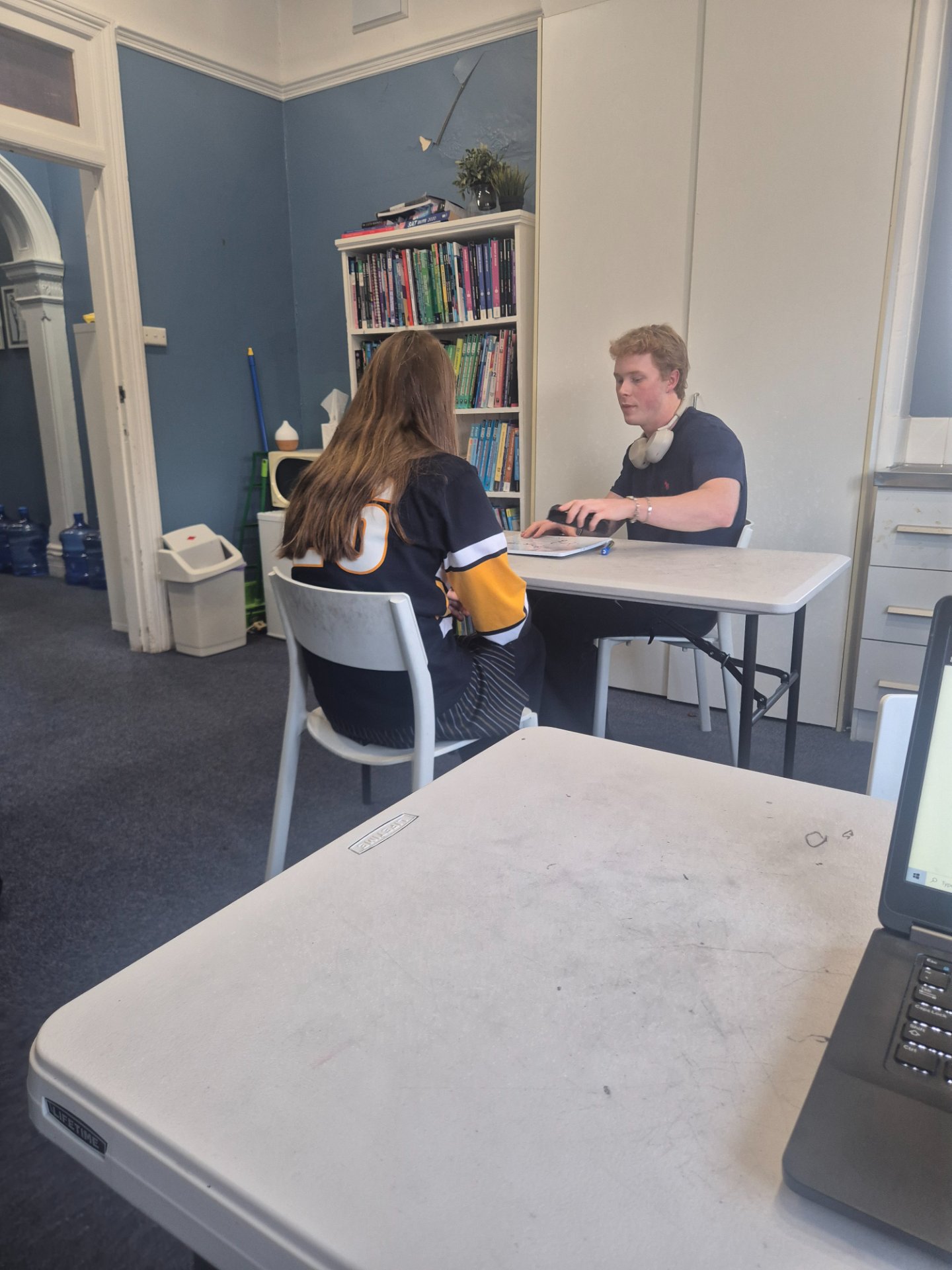
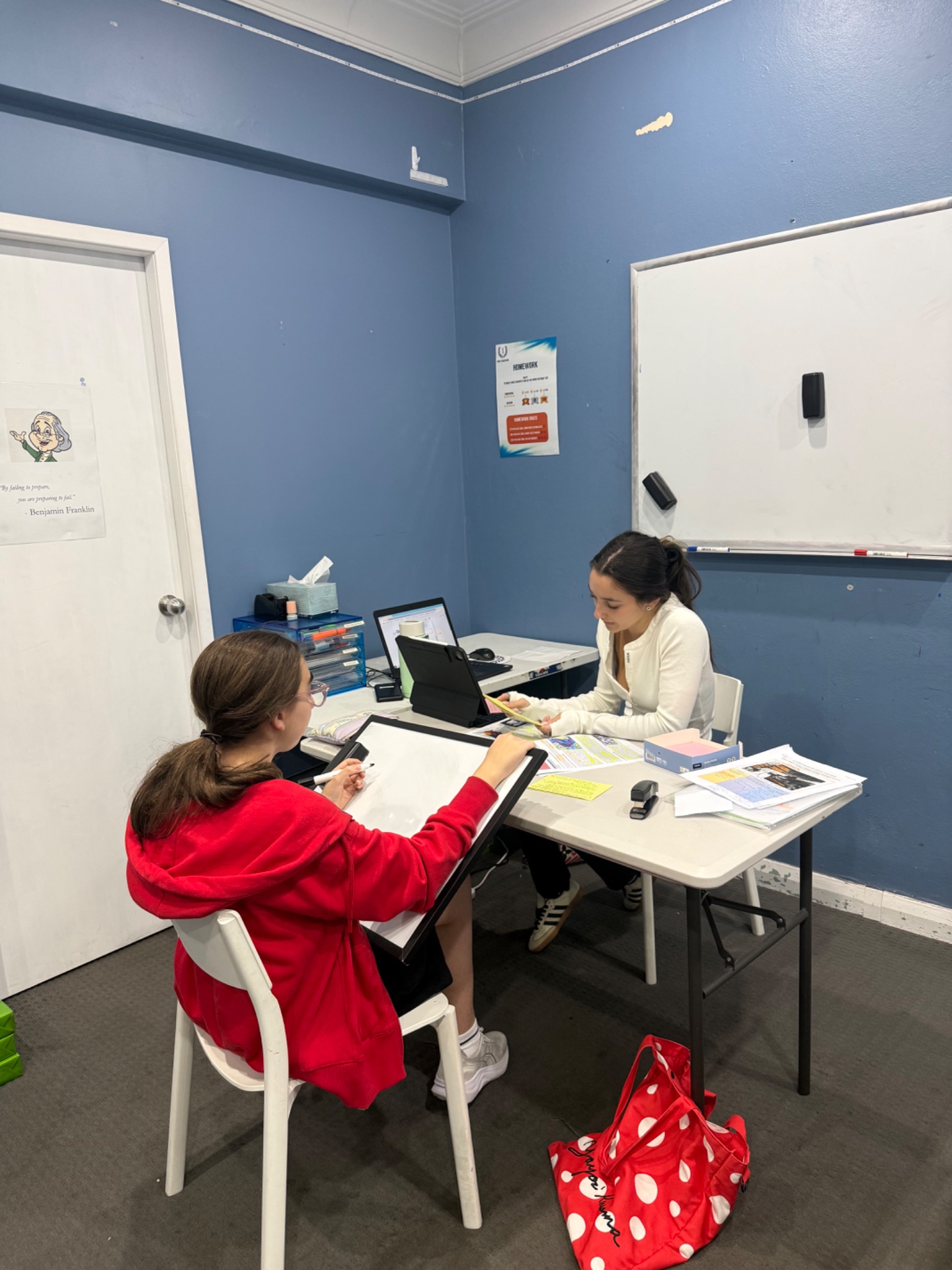
Routine plays a powerful role in effective tutoring, especially for students who may feel overwhelmed or unsure of where to begin. Having a consistent structure in each session helps create a sense of stability and allows students to focus more on learning rather than adjusting to new expectations each time.

A simple routine can make a big difference. Starting with a quick recap of the previous lesson helps refresh memory and reinforces learning. It also gives students the opportunity to ask questions about anything they were unsure of. From there, moving into new content feels more natural, as it builds on what they already know.

Routine also helps with time management. When students become familiar with how a session flows, they are more likely to stay on track and use their time effectively. They begin to understand that there is a time for learning new material, a time for practice, and a time for reflection.

Another benefit is reduced anxiety. For many students, especially those who struggle with confidence, knowing what to expect can make them feel more comfortable. This sense of predictability creates a safe learning environment where they are more willing to participate and take risks.

Importantly, routine does not mean the session has to feel repetitive or boring. Within the structure, there is still room for variety, creativity, and flexibility depending on the student’s needs.

Demetria Koutavas

Reflecting on the Syllabus – Business Studies

Post Image

Completing Business Studies during the HSC and then relearning it through tutoring has given me a new perspective on the syllabus and its relevance. While the course provides a strong foundation in traditional business concepts, such as operations, marketing, finance, and human resources, it does not always reflect the rapidly evolving nature of today’s business environment.

In tutoring sessions, I often notice that students engage most when content feels applicable to the real world. However, many case studies and examples remain rooted in older, more traditional business models. In contrast, today’s business landscape is increasingly shaped by digital platforms, social media marketing, and entrepreneurial ventures. Students are growing up in a world where starting a small online business or building a personal brand is more accessible than ever, yet this reality is not always adequately represented in the syllabus.

Revising the syllabus to incorporate modern business practices would not only increase engagement but also better prepare students for future pathways. Including topics such as digital entrepreneurship, influencer marketing, and globalised e-commerce would make the course more dynamic and relevant. As I tutor, I notice that when students can connect theory to real-world applications, their understanding deepens and their confidence improves.

With thoughtful updates, it can better equip students with the skills and mindset needed to navigate an increasingly complex and innovative business world.

Cara Charalambous

The power of Biology!

Post Image

Every living thing you see, including yourself, is the result of billions of years of biological processes. Studying biology gives you the chance to understand those processes and see the world in a completely new way. It turns everyday things like breathing, eating or even getting sick into questions that science can explain.

One of the reasons biology is such an important subject is because it helps you understand life at multiple levels. From the tiny cells that make up living organisms to entire ecosystems that support life on Earth, biology shows how everything is connected. Once you begin learning about genetics, evolution and ecosystems, you start to realise that the natural world is far more complex and fascinating than it first appears.

Biology also helps you develop useful skills that go beyond the classroom. You learn how to think critically, analyse evidence and interpret data. These skills are valuable whether you continue into science, medicine or completely different fields.

Most importantly, biology helps you appreciate life itself. From microscopic organisms to complex ecosystems, biology reveals how incredible living systems really are.

Nabil Harrar

Time Management

Post Image

Time management is an important skill students of all ages need to understand and apply. Time management is the ability to plan how much time is spent on different activities so the entire task can be completed within a set time frame.

Students need to learn how they can balance their time so they can maximise the marks they receive. They will learn that if they spend too much time completing one task, it will have a flow on effect and will also impact their ability to complete other tasks. They will learn how the mark allocation will help them determine how much time they spend on each question or task.

Time management is crucial for all students to learn from a young age. In primary school, students get introduced to this idea when they have to complete a school task in a set amount of time. Students learn not to spend too long on a question they are stuck on as they may not finish the test. Students learn to keep an eye on the clock so they can effectively manage their time. They are also taught to leave enough time at the end of a test to check over the work. This allows them to make sure they’ve completed each question and it gives them a chance to fix any spelling or grammar mistakes. Throughout primary school students can practice their time management skills completing class activities. They can also practice these skills under exam conditions when they take NAPLAN, ICAS, OC and selective school tests. Students in high school also practice these skills when they complete exams and tests.

For students, effective time management is an essential skill as it helps them balance their homework, study, personal life and extracurricular activities. When students manage their time well, they are able to complete assignments and homework on time, prepare for exams, attend co curricular activities and still have time social activities.

Overall, time management is a crucial skill all students need to learn and apply.

Ashley Cohen

Effort vs Smart

Post Image

Parents often praise their child for how smart they are but is this pround moment unknowingly causing harm to the students abilities to learn. Students thrive when there efforts and dilligents are praised not only their intelligence. Praising effort encourages learners to understand that abilities can be developed through practice. When teachers and parents focus on how hard a student worked rather than how “smart” they are it makes success feel within their control.

Labeling students as “smart” can create pressure. They may start to fear failure and worry that mistakes will disprove that label. They might also avoid challenging tasks and stick only to what feels safe, this will cause them to learn less. However when effort is praised, students become much more willing to try new strategies, and learn from their mistakes. They understand that mistakes are a very normal part of the learning process and does not reflect their intellegence.

Students who are praised for persistence learn to push through difficulties instead of giving up. For example, saying “I can see how much time you put into solving that problem” is far more motivating than “You’re so smart.” The first highlights a behavior they can repeat, while the second focuses on something they cannot control.

In the long run, students who are praised for effort develop stronger confidence, better problem solving skills, and a healthier attitude toward challenges. This mindset prepares them not only for academic achievement but also for real-world situations where persistence and adaptability are essential.

Olivia Moustakis