
First Education

What School Doesn’t Teach You (But Tutoring Can)

Post Image

School teaches you a lot, but it doesn’t always cover everything that actually helps you succeed. Sometimes it feels like you’re just trying to keep up rather than really learning. That’s where tutoring can make a massive difference.

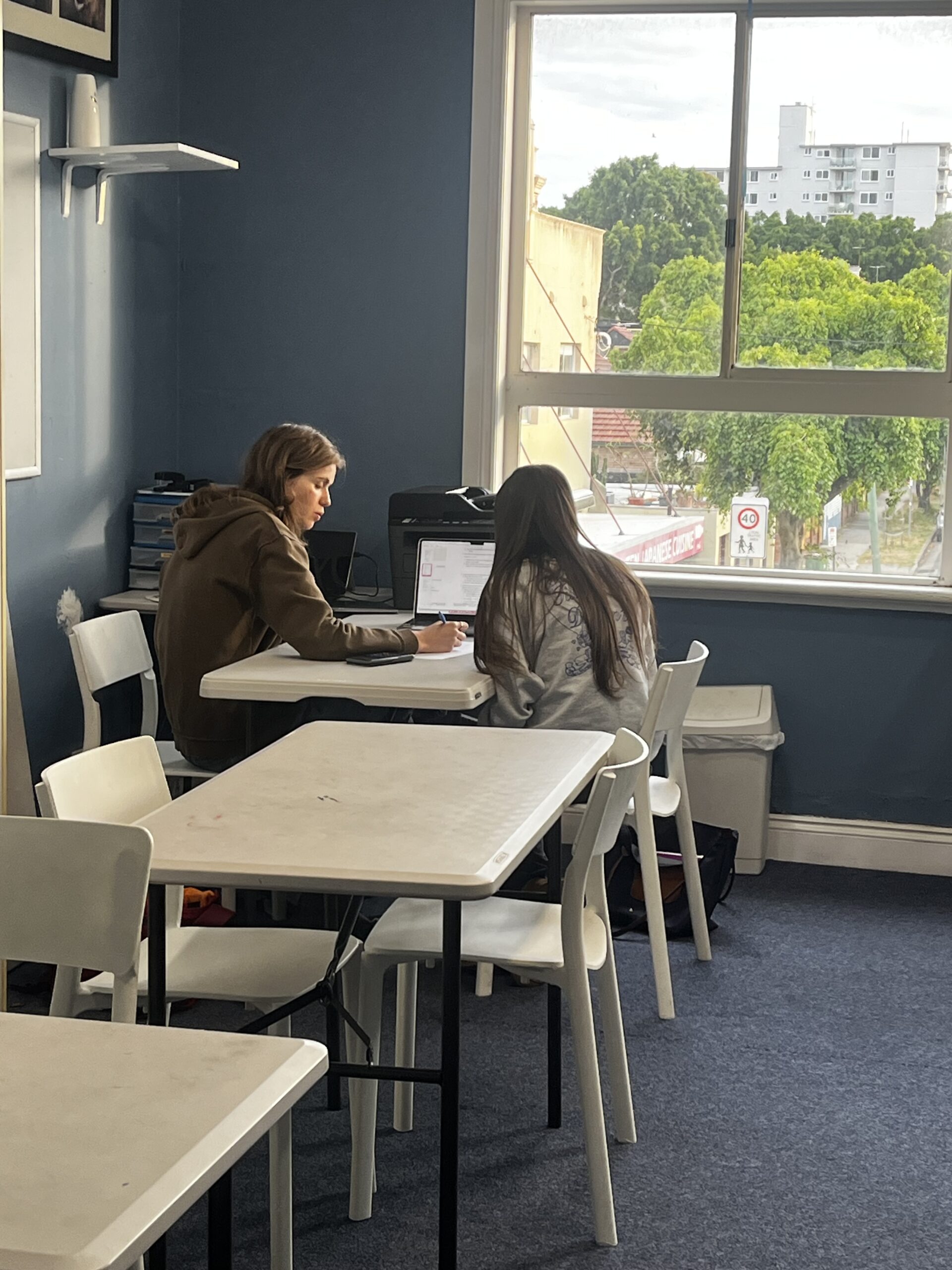
In a classroom with 30 other students, it’s easy to fall behind or feel like you don’t get it but you’re too afraid to ask. Teachers have limited time, and lessons have to move on whether everyone’s ready or not. Tutoring slows things down. It gives you space to ask questions, go back over stuff you didn’t fully understand, and build things up from the beginning until it makes sense.

Tutors also teach you skills that school doesn’t really focus on. Like how to manage your time properly. How to break down a big assignment into smaller tasks. How to actually study in a way that works for you. These things can make school feel way less overwhelming and help you stay on top of everything without burning out.

And it’s not just about academics either. A good tutor can help build your confidence. When someone believes in you, explains things clearly, and celebrates your progress, it gives you the boost you didn’t even realise you needed. You start to see school as something you can handle, not just something you’re stuck in.

At the end of the day, tutoring fills the gaps that school can’t. It’s that extra support that helps students not only do better in class but also feel better about learning in general. Sometimes all it takes is one person explaining it differently and suddenly, it clicks. That’s the power of tutoring.

Eireyna Papinayn

The importance of being interdisciplinary

Post Image

I have always been a rather indecisive person when it comes to academic decisions – do I study science or arts? History or mathematics? Philosophy or physics or psychology? These are the decisions that we are required to make during our studies in school, and which often dictate where we end up in university and beyond. In this day and age, I believe that there is a pressure to be good at one particular thing and see it through – as though each person has a mind for a particular subject, without the need for balance or breadth of study.
During my schooling, in high school and beyond, I have always been questioned for my academic interests – why would someone choose to go to university and study a joint degree in astrophysics and English? – but I believe that it is this breadth which makes any perspective unique and valuable in having productive discussions and generating creative, interdisciplinary ideas. Most of all, it is the exposure to different modes of thinking and approaches to problems that impacts the way we approach decisions and issues in our own lives. Being able to think methodically like a statistician, but to compose arguments like a philosopher, to communicate concisely and effectively as a writer, are all important skills which allow us to be well-rounded members of society and to make a positive impact on our environment and other members of our community.
Therefore, we should encourage all students to pursue any interests that they have, no matter how small, because it is in exploring these avenues that we discover the endless pool of things to learn while improving ourselves along the way!

Tyler Klinger

Connecting with Students

Post Image

Tutoring is more than explaining content, it’s about connecting. As tutors we juggle timetables, assignments, part-time jobs and sometimes our own study; our students bring their own pressures too. When we focus on engagement instead of just delivery, lessons stop feeling like lectures and start feeling like shared problem solving.

Engaging students begins with listening. A quick check-in at the start of a session, “How are you going with this topic?” can open the door for honest conversation. Some students need the gentle nudge of extension tasks; others need the slow, steady unpacking of one idea. Scaffolding small wins helps confidence grow: break a task into tiny steps, celebrate each success, and avoid overwhelming them with the whole mountain at once. We can also use their interests as hooks. If a student likes sport, music, or games, we can include examples from those areas into problem to boost attention. Ask open questions that invite thinking rather than yes/no answers, and pause after asking them. Silence can also be a powerful tool, as it gives space for the student to process and respond.

Inspiring curiosity is important. When you show how a student how to tackle a tricky question by thinking out loud, or making a plan, checking your work, then students learn a process, not just answers. Give regular, specific feedback: “Nice step, you used the formula correctly, now check how the units fit.” That kind of guidance teaches both skill and self-monitoring. Also, emotional support matters. Gentle encouragement, being ok with mistakes, and sharing coping strategies you use when stressed helps students build resilience. Being an engaged tutor is as much about the relationship as the content, when students feel seen, heard and guided, they learn more and they enjoy learning more.

Katie Waller

Tips and tricks for the HSC

Post Image

The HSC is right around the corner now and I remember how I felt when I was in this position, feeling overwhelmed and stressed. However, it is important now to try and stay relaxed for your final few weeks of studying before it is all over.

1- Set daily goals of what you want to achieve while studying.
— Setting a to do list a the start of each day ensures that you stay on track with what you need to do before each of your exams. It helps to make each day feel manageable and helps to maintain motivation in this last stretch as there is no better feeling as having a completed list at the end of a day!

2- Practice papers
— Practice papers are going to be your best friend in these final weeks as you are hopefully feeling confident in the content and now are mastering answering questions that may come up in the exam. It is important to do these exams in timed conditions as this helps your time management and stress on exam day as you would have already finished an exam as practice. It is also important to thoroughly go over and mark the exams so you know where to improve and keep note of this for the next exam that you do.

3- Take some time for yourself
— It may seem like the HSC is the most important thing going on right now but it is just as important to take a break from studying and allow yourself to relax and reset. Try and schedule some time each day to do the things that you enjoy and try and fully switch off from study. This could be going on a walk, seeing friends or watching your favourite tv show to end the night. Doing this will help prevent burnout and help you stay motivated throughout the entire HSC.

Maddie Manins

Why reading comprehension is an essential skill

Post Image

Reading comprehension sits at the heart of all meaningful learning. It is more than simply decoding words on a page; it is the process of understanding, analysing, and connecting ideas. Whether a student is interpreting a Shakespearean soliloquy, reading a scientific article, or following written instructions in a maths problem, comprehension is what turns words into knowledge. As a tutor, I’ve come to see that developing this skill is not just about literacy—it’s about thinking.

When students struggle with comprehension, it often isn’t because they can’t read the words, but because they haven’t learned how to read actively. They might skim for answers or focus on isolated details without recognising the author’s purpose, tone, or argument. Encouraging students to slow down, annotate, and ask questions transforms reading into a dialogue rather than a passive act. One strategy I’ve found effective is “reciprocal teaching,” where students take turns summarising, questioning, and clarifying sections of a text. It shifts them from consumers of information to interpreters of meaning.

Strong comprehension skills also empower students beyond the classroom. In a world saturated with information, being able to discern bias, evaluate sources, and draw inferences is crucial for informed decision-making. Reading critically nurtures empathy and cultural awareness too—each text offers a new perspective or experience to inhabit.

Ultimately, reading comprehension underpins academic success across every subject. It enhances vocabulary, writing, and oral communication, forming the foundation for higher-order thinking. As tutors, our goal should be to cultivate not only fluent readers but thoughtful readers—students who engage with texts curiously and critically. When students begin to read with understanding rather than obligation, they discover that reading is not a chore but a tool for empowerment. Helping them reach that point is one of the most rewarding aspects of tutoring.

Holly Dawson

What I’ve Learned as a Tutor (And What Students Can Learn Too)

Post Image

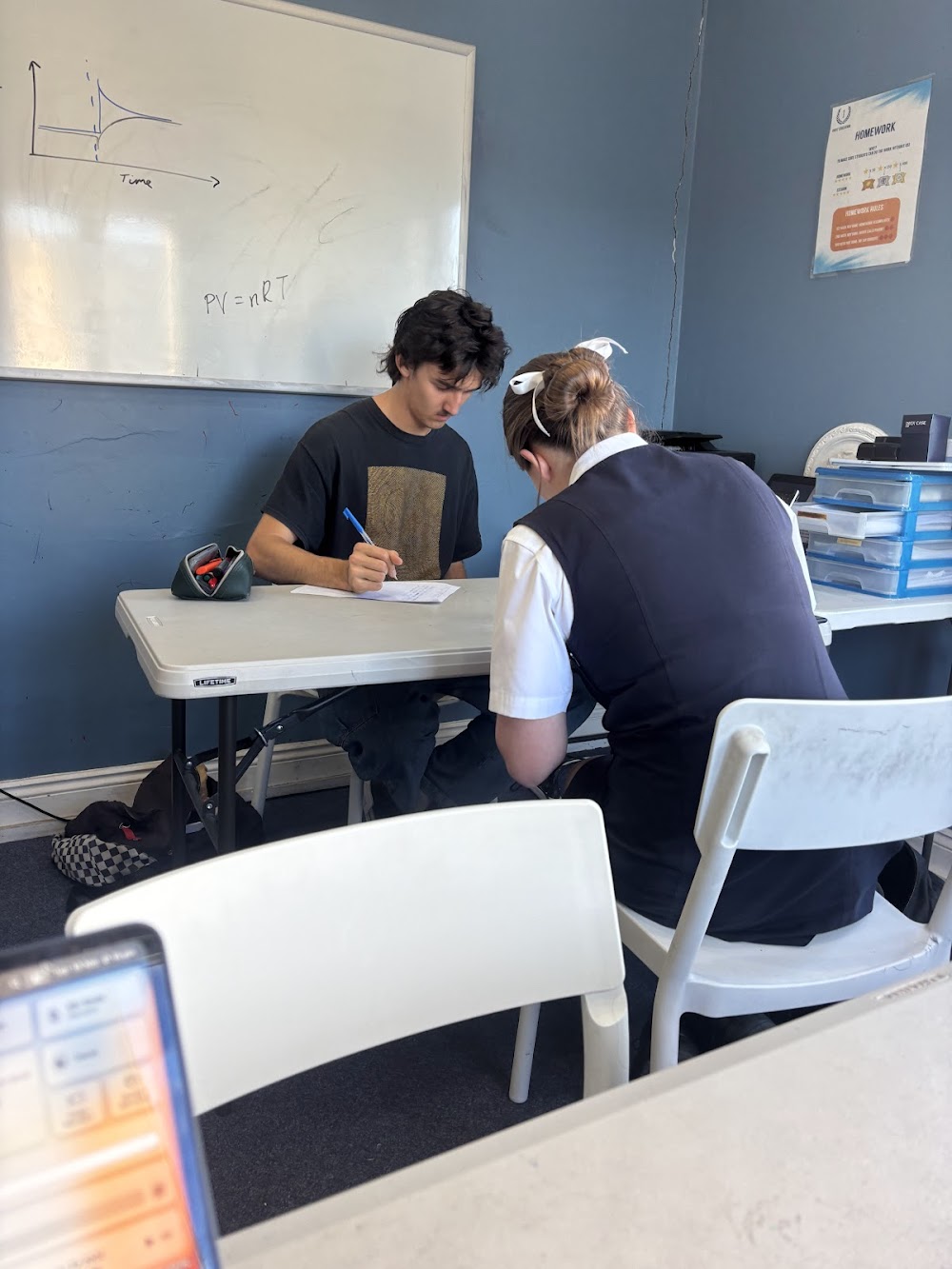
Tutoring isn’t just about explaining maths problems or helping with study notes — it’s also about learning. While I’ve helped many students grow in confidence and skill, I’ve learned just as much from the experience myself.

One of the biggest lessons I’ve learned is that every student learns differently. Some need visual explanations, others need to talk things through, and many need time to make mistakes and work it out for themselves. As a tutor, I’ve learned to adapt, listen carefully, and meet students where they are — not where the textbook says they should be.

I’ve also come to appreciate the power of small, consistent effort. The students who make the most progress aren’t always the fastest or most naturally gifted — they’re the ones who show up regularly, ask questions, and try even when it’s tough. That’s a lesson I think we can all learn from: progress comes from persistence.

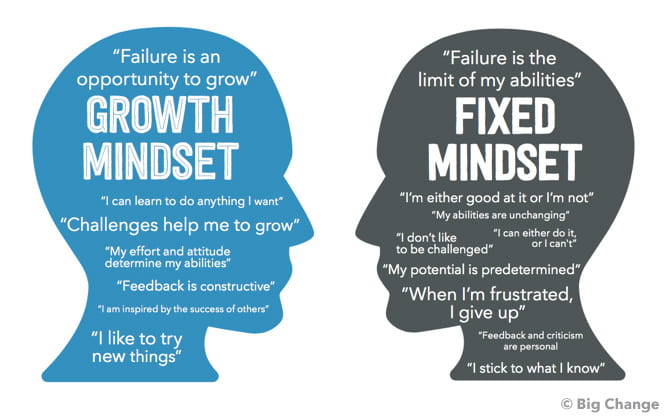
Another insight is how important confidence is in learning. Many students don’t struggle because they can’t do the work — they struggle because they’ve convinced themselves they can’t. Part of my job is helping them shift that mindset. When students start believing in their ability to improve, the results quickly follow.

And finally, tutoring has reminded me that learning should feel human. It’s not just about ticking boxes or memorising facts. It’s about growth, curiosity, connection — and sometimes, just needing someone to believe in you.

So whether you’re a student or a tutor, remember this: learning is a two-way street. We all have something to teach — and something to learn.

julian podgornik

Time-pressure can be fun

Post Image

Doing exams under time-pressure is always daunting, however turning it into a challenge usually can motivate students. Platforms like Kahoot or Quizlet and their interactivity make sure the students are actively learning but they are also motivated by the fun music and the confirmation of their questions being correct as they go.
This competitive element can transform revision from a stressful obligation into a game-like experience. By creating timed quizzes or “lightning rounds,” students practice managing pressure in a low-stakes environment, which builds both speed and confidence. Over time, these activities help students develop stronger recall, pattern recognition, and test-taking strategies without feeling overwhelmed. Incorporating leaderboards, small rewards, or collaborative team play can also encourage shy students to participate and reinforce a sense of achievement as they track their progress. Incorporating leaderboards, small rewards, or collaborative team play can further enhance the experience. Shy or hesitant students often become more willing to participate when the focus shifts from individual performance to group success or shared goals. This sense of progress and achievement, tracked through scores or badges, reinforces effort and creates positive associations with revision. In the long term, students who regularly engage in this kind of structured, interactive practice not only retain more information but also approach exams with a calmer mindset and stronger skills for managing time and stress—turning exam preparation into a tool for growth rather than an ordeal.

Mary Diamond

Teaching exam techique

Post Image

Having completed my HSC just last year and now tutoring Year 11 and 12 students, I’ve come to realise one of the biggest lessons many students overlook: the sheer importance of exam technique. Too often, students pour all their energy into learning content but forget that exams aren’t only about what you know—they’re about how effectively you can demonstrate that knowledge in the time given.

I truly believe that no matter how well-prepared a student is, they can’t perform at their absolute best without strong exam skills. Time management, question breakdown, and a clear strategy are just as important as understanding the syllabus. For example, a student may know every detail of a topic but struggle to finish the paper because they spent too long on one section. Similarly, not fully unpacking a question can lead to answers that miss the mark, costing easy marks.

That’s why in my tutoring, especially with senior students, I dedicate time to exam approach and practice. I encourage students to think about how they would begin an exam paper, what order they might tackle questions in, and how they can divide their time between sections. I also stress the importance of leaving a few minutes at the end to review their work. Everyone makes small mistakes under exam pressure—whether it’s a misread question or a forgotten word—and checking over can be the difference between a band 5 and a band 6.

At the end of the day, strong content knowledge and strong exam technique go hand-in-hand. By combining the two, students put themselves in the best position to showcase their ability and maximise their marks when it matters most.

Ellie McEachern

Why should you choose Extension 1 Maths?

Post Image

Choosing your senior subjects feels monumental, and when it comes to maths, the options can be daunting. If you have an aptitude for numbers and truly enjoy a challenge, choosing Mathematics Extension 1 is one of the smartest moves you can make for your future.

It’s about so much more than just tackling harder equations. Extension 1 Maths teaches you to think abstractly and apply rigorous logic to complex, multi-step problems. You’ll develop sophisticated problem-solving skills that are invaluable in any field, from science and engineering to finance and even law. This course effectively trains your brain to approach challenges systematically and creatively, a skill that universities and employers prize very highly.

Strategically, Extension 1 is a powerhouse for your future. It opens doors to a vast range of competitive university degrees, especially in STEM fields like medicine, engineering, and computer science. Furthermore, its strong scaling often provides a significant boost to your ATAR, reflecting the course’s difficulty and the high-level thinking it demands from students.

So, if you’re up for an intellectual challenge that sharpens your mind and dramatically expands your future opportunities, don’t shy away from Extension 1 Maths. It’s not just another subject; it’s a powerful investment in your intellectual toolkit

Nabil Harrar

Chemistry Tutoring

Post Image

As opposed to maths and biology, which have very straightforward answers and thinking patterns, chemistry is often a very confusing and non-intuitive subjects. As opposed to Physics, Chemistry has a packed full and often ambiguous syllabus, so often is very difficult for tutors and even teachers to thoroughly cover the scope of the course. This leads to many students seeking tutoring in Chemistry. Chemistry students of mine have been excelling in maths but still struggling with Chemistry. This is because the steps that seem logical and intuitive in math subjects are not so straightforward and easy to see, especially with the design of the y12 syllabus.

Often students have very different ways of understanding ideas, and what one student of mine thinks is a great explanation of a topic could be very confusing to another. I believe chemistry really brings out the extremes of each persons learning styles. This is why it is so important to deeply understand each students approach to different types of problems, in order to not confuse students unnecessarily. Some students may prefer physical models, which could be shown by drawing or using props, in order to understand concepts. Other students may have great mental visualisation, which is very important for the understanding of chemistry, but struggle with the steps of the mathematical calculations needed to understand reaction processes.

Often, the results of laboratories or theory taught in the HSC Chemistry Curriculum is the opposite of what students may naturally lean towards, making it a truly difficult subject to teach, and essential to know your students very well.

Katie Waller