
First Education

Maths Program – Revision Sessions

Post Image

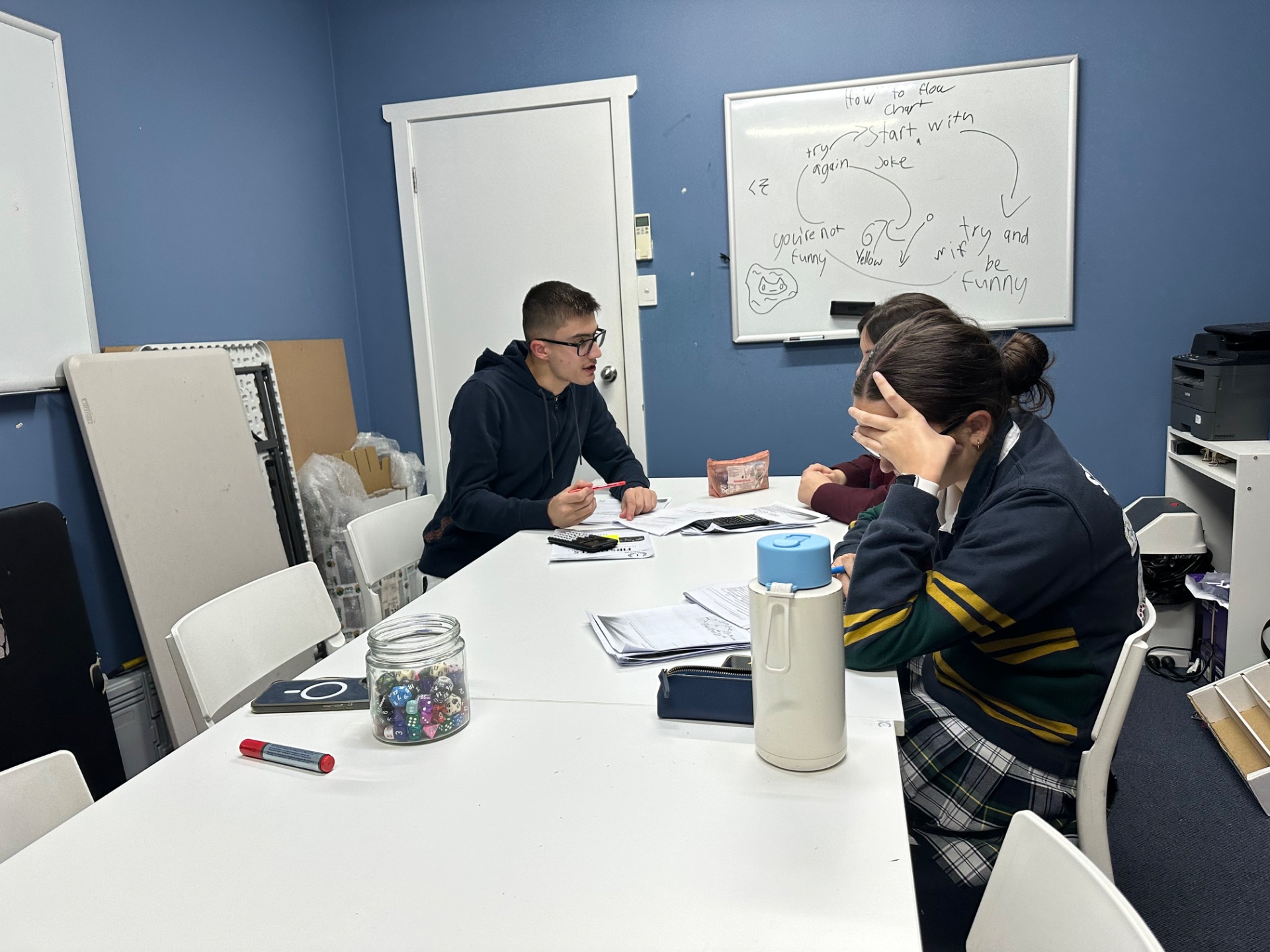
Observing Alex’s tutoring session for the Year 12 Maths Standard Program. During the second hour of his session, they went through trial exam questions. After allowing the students time to solve questions, he would ask whether they are finding any questions challenging. After a small discussion, and a breakdown of the topic in question, he would help the students find the answer out for themselves. This allows the students enough time to think about the question, and gives them the opportunity to answer it themselves. I also noticed how he used targeted questioning to check the student’s knowledge and encouraged them to explain their reasoning rather than simply providing answers.

After checking the students working out, Alex also identified common mistakes and addressed them through worked examples, helping the student build confidence. Through the exam, he highlighted exam strategies and techniques to improve on time management and to show clear working out. This observation showed me the value of combining topic revision with regular exam practice to strengthen both subject knowledge and exam performance; something I am going to incorporate within my own program sessions.

James Bletsas

How to study for the HSC during the holidays

Balancing HSC prep with a holiday might seem like a total nightmare, but it is possible to balance studies and still have a fun break. With a little planning, you can keep your mind sharp and enjoy your time off.

1. Lock in an hour of pure study
Forget about trying to study for six hours straight while your family is soaking up the sun at the beach. Instead, carve out one or two focused hours in the morning. Wake up, tackle some past paper questions or go over your flashcards, and then set the books aside for the rest of the day.

2. Be Realistic and Prioritise
Let’s be real—you’re not going to master an entire module while lounging in a hotel room. Focus on keeping your knowledge fresh instead of diving deep. Use your holiday to:

– Go over high-yield summary notes and reviewing past notes.
– Memorise key English quotes or essay structures.
– Take quick, timed multiple-choice quizzes.


3. Study on the Move
Make the most of your travel time. If you’re on a long flight, road trip, or train ride, that’s your chance! Download podcasts that align with your syllabus, listen to recordings of your own notes, or use active recall apps on your phone.

4. Separate Work and Play
When it’s study time, find a quiet café or a distraction-free zone. Once you’re done, switch off mentally. Enjoying guilt-free relaxation is key to avoiding burnout, and you deserve to enjoy your holiday.

The Golden Rule: Consistency trumps intensity. Spending 45 minutes on quality study each day during your trip is way better than doing no studying at all and stressing about it the whole time.

So, enjoy your break, keep that momentum going, and you’ll come back ready to tackle the HSC like a champ!

Ella Fisher

Year 11 Study Tips

Navigating your Year 11 finals can feel like a massive step up. It is the first time you are facing high stakes exams that truly mimic the final year pressures to come. But doing well on these finals isn’t about locked in, late night cram sessions, it is about upgrading your study skills and prepping your brain weeks before you even flip over the exam paper. By shifting your approach from passive reading to strategic preparation, you can head into the exam room feeling confident instead of chaotic.

The first step to targeted preparation is to stop guessing what will be on the test and look directly at the syllabus your teachers use. Your course syllabus details every single concept you can be tested on, making it the ultimate study checklist. By printing out the syllabus for each subject and reviewing the specific dot points, you can systematically audit your own knowledge. If you come across a point and realise you cannot confidently explain it or write a paragraph about it right then and there, you have found the exact spot where your next study session needs to begin.

Once you know what content to focus on, you need to transition to practicing the exact format of the test. There is a massive difference between knowing a fact and knowing how to structure an answer under a countdown timer, which is why moving to past papers early is so crucial. You should start this process open-book, keeping your notes nearby to help bridge the gaps in your memory and build your confidence. As the exams get closer, simulate the actual room by sitting in a quiet space, removing your notes, and completing a practice paper under strict time limits. This trains your brain to manage time effectively so you don’t leave the final questions blank.

Ultimately, Year 11 finals serve as the perfect dress rehearsal for your final school year. By mastering the syllabus and completing past papers now, you aren’t just saving grades this term but building the exact academic habits needed to crush your senior studies.

Ben Pelikan

The Importance of Building Confidence in Young Learners

Post Image

When people think about tutoring, they often focus on improving grades and academic results. While these outcomes are important, one of the most valuable benefits of tutoring is the confidence it helps students develop.

Many students experience moments when they find learning challenging. They may struggle with a particular subject, feel nervous about making mistakes, or compare themselves to their peers. Over time, these feelings can affect their confidence and willingness to participate in class. Tutoring provides a supportive environment where students can learn at their own pace and feel comfortable asking questions without fear of judgment.

Confidence plays a key role in academic success. Students who believe in their abilities are more likely to attempt difficult tasks, persevere when challenges arise, and take ownership of their learning. Through consistent encouragement and achievable goals, tutors can help students recognise their strengths and celebrate their progress.

One of the most effective ways to build confidence is through small successes. Whether a student masters a multiplication strategy, improves their reading fluency, or writes a well-structured paragraph, these achievements demonstrate that effort leads to improvement. As students experience success, they begin to develop a growth mindset and understand that learning is a process.

Tutoring also allows students to develop important skills beyond the classroom. Problem-solving, communication, organisation, and resilience are all qualities that can be strengthened during tutoring sessions. These skills not only support academic achievement but also help students navigate challenges in everyday life.

Parents often notice positive changes as their child’s confidence grows. Students may become more willing to participate in class discussions, complete homework independently, and approach new challenges with a positive attitude. These changes can have a lasting impact on both academic performance and personal development.

At its core, tutoring is about helping students believe in themselves. When students feel capable and supported, they are more likely to engage with learning and reach their potential. By building confidence alongside academic skills, tutoring creates a strong foundation for future success.

Alicia French

Why One-on-One Tutoring Can Make a Big Difference

Post Image

Every child learns differently. While classrooms provide valuable learning experiences, some students may need additional support to fully understand new concepts and build confidence in their abilities. This is where one-on-one tutoring can make a significant difference.

One of the greatest benefits of tutoring is personalised learning. In a classroom setting, teachers must cater to the needs of many students at once. During tutoring sessions, however, lessons can be tailored specifically to a student’s strengths, challenges, and learning style. This allows students to work at their own pace and receive targeted support in areas where they may be struggling.

Tutoring can also help students develop confidence. Many children become discouraged when they find a subject difficult or when they compare themselves to their peers. A supportive tutor creates a safe environment where students feel comfortable asking questions, making mistakes, and celebrating their progress. As students begin to understand concepts more clearly, their confidence often grows alongside their academic skills.

Another important advantage of tutoring is the opportunity to strengthen foundational skills. Whether a student is working on reading comprehension, writing, spelling, or mathematics, regular practice and guidance can help fill learning gaps before they become larger challenges. Strong foundations are essential for future academic success.

Beyond improving academic performance, tutoring can encourage positive learning habits. Students learn valuable skills such as organisation, problem-solving, perseverance, and independent thinking. These skills can benefit them throughout their schooling and beyond.

Parents often notice that tutoring not only improves grades but also reduces stress and frustration related to schoolwork. When students feel supported and capable, they are more likely to approach learning with a positive attitude.

Ultimately, tutoring is about more than achieving higher marks. It is about helping students build confidence, develop essential skills, and discover that they are capable of success. With the right support, every child can grow as a learner and reach their full potential.

Alicia French

Observation

Post Image

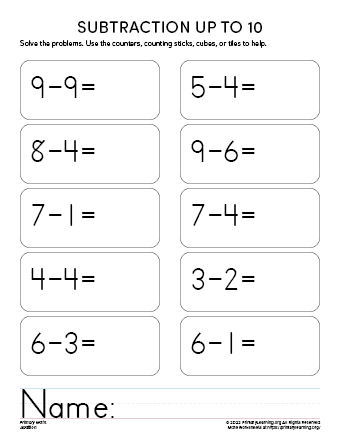
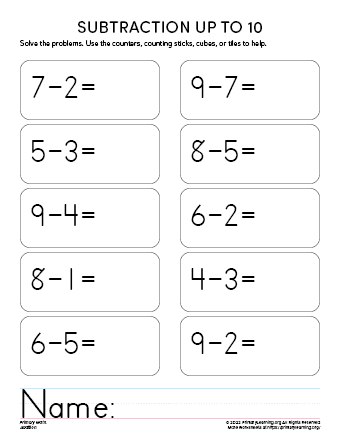
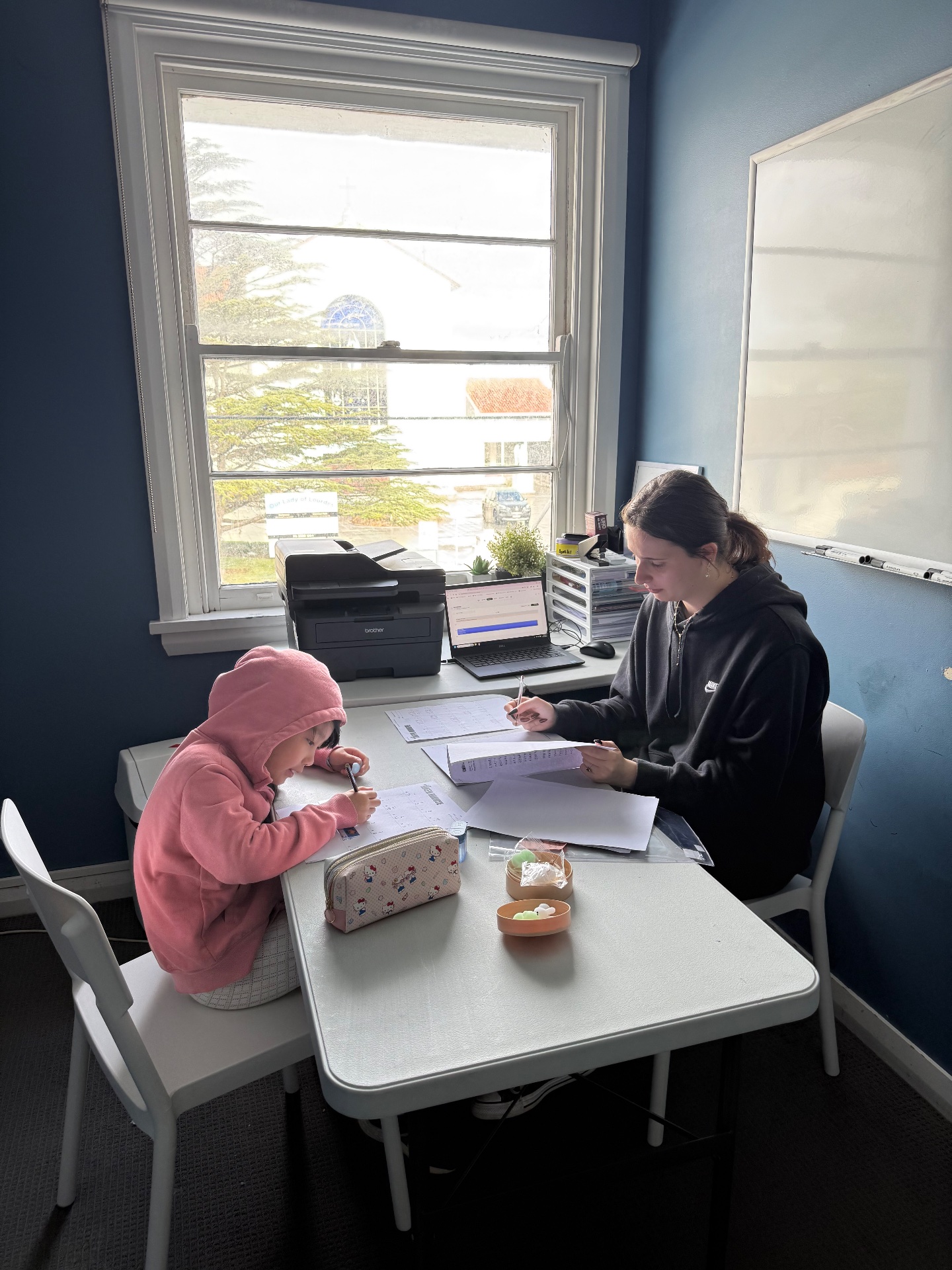
During this session, Stacey worked with her Year 2 student on both Mathematics and English, focusing on multiplication and compound sentences. In Mathematics, Stacey introduced and reinforced multiplication concepts using age appropriate examples and activities. The student practiced solving simple multiplication questions and worked on understanding multiplication as repeated addition. Stacey provided guidance throughout the lesson, helping the student build confidence and develop a stronger understanding of the concept.

In English, the focus was on compound sentences. Stacey helped the student identify how two simple ideas can be joined together using conjunctions such as and, but and because. The student practiced creating their own compound sentences and worked on improving sentence structure and clarity in their writing.

Throughout the session, Stacey maintained a positive and encouraging learning environment. She provided clear explanations, checked for understanding regularly and adapted her support to suit the student’s needs. The student remained engaged throughout the lesson and was willing to participate in activities and discussions.

Overall, it was a productive session that helped the student continue developing important literacy and numeracy skills. Stacey’s supportive approach and clear guidance allowed the student to build confidence while strengthening their understanding of multiplication and compound sentences.

Isabella Naumovski

Use the resources you have access to

Most students under utilise the resources they have and I’m not talking about teacher provided resources, or notes that you have spent ages perfecting, or creating extensive flash cards. Students of today have an extensive amount of free resources that they are not using. Youtube lessons and explanations are free and a great resource when used correctly. Other tools are Khan Academy which provides structured lesson and learning plans to help students easily follow along. Free HSC past papers provided by NSW government with the solutions, as well as atar notes which provide older students notes that have helped them succeed already.

Using the internet to your advantage is one of the strengths that many top students have and what can often prevent students from falling behind their class. Utilising generative Ai to create additional practice questions can be another simple tool that can allow you to increase your marks further.

Many websites also offer free quizzes, flash cards and additional testing resources that can help immensely. Most students equate the time something takes with the efficacy of that study session but this is not necessarily accurate. If it takes two hours to create in depth flash cards but only twenty minutes to fully understand and memorise pre made flash cards then the more effective option is the latter. Many students rely too closely on the contents and resources provided by their teachers and often forget one of the most beneficial tools that they have access to, the internet.

In summary students must begin utilising all the tools they have access too and work on studying more independently by finding websites, apps and resources that work with their personal learning styles. Instead of relying on everything the teacher provides think about how you can push your education independently and what is the most effective method for you, because we all learn in a unique way that often isn’t perfectly aligned with the methods provided.

Olivia Moustakis

Why Doing Homework Isn’t Actually the Hard Part

Post Image

When students talk about school being difficult, homework usually gets blamed first. But after working with students across different year levels, I’ve noticed that homework itself is rarely the biggest challenge, instead the real challenge is consistency.
Most students can sit down and complete a worksheet when it’s due tomorrow. The problem is that learning doesn’t really work in one-off bursts. Maths and science especially are subjects where topics build on each other. If you don’t fully understand something this week, there’s a good chance next week’s work becomes harder too. And this is why students often feel like they’ve suddenly fallen behind. But in reality, it usually happens gradually with a few missed questions here, and there and before long an assessment comes around and everything feels overwhelming.

What separates stronger students from everyone else isn’t necessarily natural ability. More often than not, it’s the habit of checking their understanding of certain topics. They ask questions when something doesn’t make sense, revisit difficult topics, and spend a little bit of time reviewing content before they’ve completely forgotten it.

I’ve found that parents are surprised when they hear this. Many assume students who are struggling simply need to spend more hours studying. While that can sometimes help, the quality of study is usually far more important than the quantity.
A student who spends twenty focused minutes reviewing mistakes from class will often get more out of it than someone spending two distracted hours staring at notes.

Lily Powell

Observation

Post Image

I had the opportunity to watch Jake teach a lesson on polynomial division. It was a genuinely positive experience, especially because polynomial division can be a tough topic for students to follow at first. Watching Jake work through it reminded me how important it is to break difficult content into clear, manageable steps.

What stood out to me was the way he slowed the process down without making the student feel like they were behind. He modelled each stage carefully, from setting out the division to checking the result, and gave the student time to understand why each step mattered. This reaffirmed something I have learned over my own tutoring experience being that students often build confidence in harder maths topics when the structure is clear and they are not rushed.

I also appreciated how Jake responded when the student made small errors with signs and coefficients. Instead of simply correcting them, he asked guiding questions that helped the student notice the mistake and fix it themselves.

Overall, observing Jake’s lesson was a valuable and enjoyable experience. It reinforced the importance of patience, clear modelling and calm encouragement when teaching a subject that can easily feel overwhelming.

Nabil Harrar

Observation

Post Image

I had the opportunity to watch Pamela teach a lesson on the 5 number summary being mean, median and mode. Not only did Pamela do a great job keeping the lesson engaging, but I always enjoy the opportunity to be able to learn from the different methods of other tutors.

Firstly, Pamela explained each concept clearly and gave the student time to process the difference between them. What stood out to me was the way she connected the methods to meaning, rather than presenting mean, median and mode as formulas to simply memorise. This reaffirmed something I have learned through my own tutoring experience in that students understand statistics much better when they can see what each measure actually tells them about a set of data.

I also appreciated how patient and encouraging Pamela was when the student made small mistakes. Instead of rushing to correct them, she used guiding questions to help the student work through the confusion calmly.

Overall, observing Pamela’s lesson was a valuable experience. It reminded me that strong tutoring often comes from clarity, patience and creating a comfortable space where students feel confident enough to think, try and improve.

Nabil Harrar