
First Education

Blog Post – Art of Creative Writing in Primary Years

Post Image

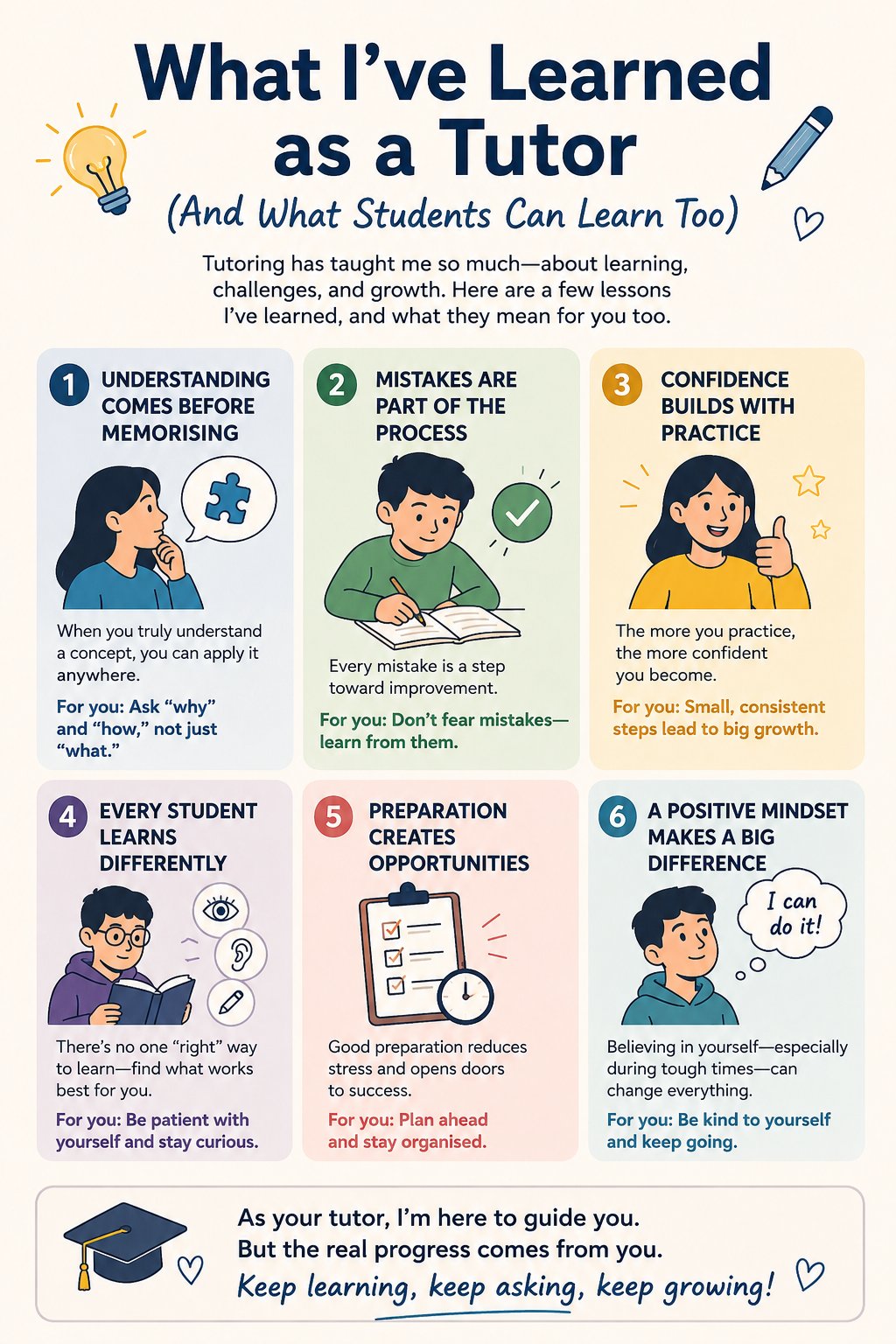
Teaching creative writing in primary school is less about producing perfect pieces and more about unlocking imagination, confidence, and voice. As a tutor, I think the most important thing is creating a space where students feel safe to take risks with their ideas. If a child is worried about spelling every word correctly or “getting it right,” they will often shut down creatively. Instead, we want to build a classroom culture where ideas come first and refinement comes later.

One effective approach is to start with stimulus-based writing. This could be an image, a short video clip, a soundscape, or even a single intriguing sentence like “The door wasn’t there yesterday.” These prompts give students a clear entry point, especially for those who struggle to begin. Talking to them helps ideas flow more naturally.

Another key technique is explicitly teaching sensory language. Primary students often default to basic descriptions, so modelling how to “show, not tell” is essential. For example, instead of saying “he was scared,” demonstrate how to write “his hands trembled and his heart thumped like a drum.” Short, focused mini-lessons on similes, metaphors, and descriptive verbs can dramatically improve their writing.

I also strongly believe in using model texts and joint construction. Writing together as a class or with a tutor allows students to see the thinking process behind good writing. You might co-construct a paragraph, discussing word choices and sentence structure along the way. This scaffolding builds both skill and confidence.

Ultimately, teaching creative writing at the primary level is about nurturing a love for storytelling and wide reading! I hope this helps anyone 🙂

Eleni Nicholas

Observation

Post Image

Observing a tutoring session with a younger student can be a valuable remainder of how foundational skills are built and how important engagement is in early learning. Today, I observed Demetria working with a Year 1 student she was covering, where they had focused on phonics, word blends and reading. What stood out most was her use of interactive learning strategies to maintain the student’s attention and enthusiasm throughout the lesson.

At this stage of learning, students benefit greatly from activities that are hands on and varied. Demetria incorporated a mix of verbal repetition, visual prompts and guided reading, which helped reinforce the connection between sounds and letters. Rather than relying solely on worksheets or passive instruction, she encouraged the student to actively participate, sounding out blends, recognising patterns and applying these skills in short reading exercises. This approach not only strengthened the student’s understanding but also built their confidence.

Interactive learning is particularly effective for younger students because it aligns with their development needs. Children in Year 1 often have shorter attention spans and learn best when they are engaged both mentally and physically. By turning learning into a dynamic process, Demetria was able to keep the student focused while also making the session enjoyable. This is crucial, as positive early experiences with literacy can shape a student’s long term attitude towards learning.

Additionally, the session highlighted the importance of adaptability. As a cover tutor, Demetria quickly assessed the student’s ability level and adjusted her teaching style accordingly. This flexibility ensured that the student was neither overwhelmed nor under challenged, allowing for steady progress.

Overall, this observation reinforced the value of interactive, student centred learning in early education. It demonstrated that effective tutoring is not just about delivering content, but about creating an engaging environment where students feel supported, motivated and capable of success.

Isabella Naumovski

Preparing for OC testing

Post Image

Preparing for OC testing:

As OC exams are beginning to approach, I was given time to reflect on how I have prepared my own year 4 students for these tests, and the best ways to navigate the pressure that can come with them. The Opportunity Class (OC) Placement Test in New South Wales (NSW) is a free, competitive, computer-based exam used by the NSW Department of Education to select academically gifted Year 4 students for placement into specialized Year 5 and 6 classes. Through completing the various papers including mathematical reasoning, reading and thinking skills, students are able to demonstrate their understanding of key curriculum outcomes and extend themselves beyond this to see their potential.

Although the OC tests can seem intimidating, it is important to remember that they are designed to identify potential, not perfection. It is an opportunity for high-potential students to learn alongside peers of similar ability. Although the tests can create some stress for students, they are still a great opportunity for students to practice and get experience in higher pressure examination environments. Learning how to approach these situations calmly and confidently can be a valuable skill that extends beyond the classroom. There are multiple ways to prepare for OC, however the way that I have found works best for my students involves taking practice papers and reviewing the answers together afterwards. Through this, the tutor can work with their student to identify weaker areas that we can later zero in on and practice. In doing so, students gain confidence and familiarity, alongside consolidating core literacy and numeracy skills. Furthermore, they become increasingly comfortable with the exam format and question styles they are likely to encounter.

Ultimately, effective preparation not only improves performance in the OC test, but also equips students with the confidence, resilience, and skills needed to succeed in future academic challenges.

Annabelle Molloy

The Wins in Tutoring

Post Image

Some of the most meaningful moments in tutoring are not the perfect test scores or the dramatic wins, they are the quiet wins that often go unnoticed. A student who avoided telling you their test scores. Another student who struggled to construct an introduction. These small wins are where real learning begins.

In one recent session, a student of mine was really struggling with getting their introduction down. Writing had always been a challenge especially with getting their ideas down on the page. Instead of pushing them to get it done, I slowed the session down. We talked about their ideas, and from there they gradually managed to put some sentences together. The blank page became a few words, then a sentence, and eventually a complete introduction. The work itself was simple, but the confidence behind it was powerful.

Tutoring is not just about content knowledge. It is about create a space where students feel safe to try, fail and try again. Many students enter tutoring sessions carrying the weight of school pressure. They worry about being wrong or falling behind. A tutor has the opportunity to shift this mindset by focusing on growth rather than perfection.

One effective strategy is celebrating effort. When students see that their persistence is paying off, they begin to try harder. Asking them to explain their thinking also builds deeper understanding. Even when the answer is incorrect, the process helps develop critical thinking skills.

Ultimately, tutoring is about more than improving grades. It is about building the passion and confidence in students. The quiet wins may seem small, but they shape how students view learning. Over time, those small moments add up, creating lasting growth that extends far beyond the tutoring session.

Annie Bulkeley

Observation

Post Image

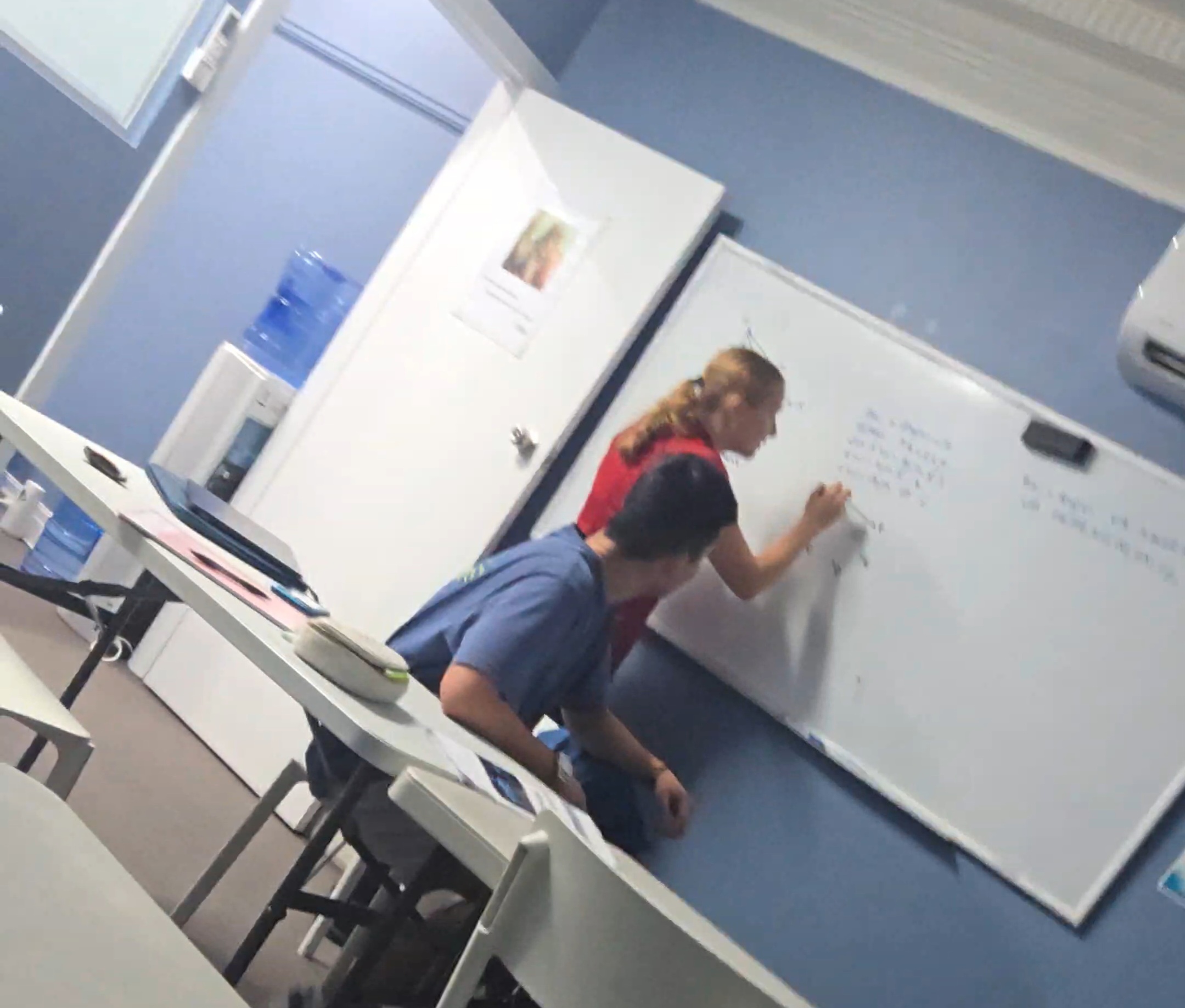
Today I observed Bella working with a Year 11 student on a Chemistry assignment focused on molecular modelling. The session was well structured and demonstrated Bella’s strong ability to simplify complex scientific concepts.

Bella began by breaking down the requirements of the assignment, ensuring the student clearly understood what was being asked before moving into the content. This helped set a clear direction for the lesson and reduced any confusion around expectations. She guided the student through key concepts involved in molecular modelling, such as structure, bonding, and spatial arrangement, explaining each idea in a clear and accessible way.

One of Bella’s key strengths was her ability to make abstract concepts more visual and easier to understand. Molecular modelling can be difficult for students to grasp, but Bella used diagrams and step by step explanations to help the student visualise how molecules are structured and how different components interact. This made the content feel more manageable and less overwhelming.

Bella also encouraged active participation throughout the session. Rather than simply explaining everything, she asked the student questions to check understanding and prompt them to think more deeply about the concepts. This approach helped the student stay engaged and take ownership of their learning.

Another strength was how Bella supported the student with the assignment itself. She helped structure their responses and guided them on how to present their ideas clearly, ensuring they were meeting the marking criteria. This balance between content understanding and assignment support was particularly effective.

Overall, Bella delivered a strong and supportive lesson.

Demetria Koutavas

Building Momentum

Post Image

A common challenge in tutoring isn’t ability, it’s motivation. Students often say, “I just don’t feel like studying”, as if motivation is something that needs to appear before they can begin. But waiting for motivation is unreliable and more often than not, it never comes at the right time.

What actually drives progress is momentum.

Momentum starts small. It might be answering one question, writing one sentence or reviewing one concept. These actions seem insignificant but they create a sense of movement. Once a student begins, continuing becomes easier. The hardest part is almost always starting.

In tutoring sessions, this means shifting the focus away from “feeling ready” and towards simply taking the first step. Instead of asking a student to complete an entire worksheet, we might say, “Let’s just do the first couple questions together”. That small win often leads to another and another, building a chain of progress.

This approach is especially effective for students who feel overwhelmed. Large tasks can feel intimidating, leading to avoidance. Breaking work into manageable pieces removes that mental barrier and helps students regain a sense of control.

Over time, students begin to recognise that action creates motivation, not the other way around. They learn that they don’t need to wait until they feel productive to start working.

Beyond academics, this is a valuable life skill. Whether it’s studying for exams, completing assignments or tackling long term goals, the ability to generate momentum can make the difference between procrastination and progress.

In the end, success in learning isn’t about sudden bursts of inspiration, it’s about consistency showing up, even in small ways. Start small, build momentum and let motivation catch up later.

Isabella Naumovski

Foods that help with studying

Post Image

Studying effectively isn’t just about good notes and time management. What you eat can also make a big difference. The right foods can boost concentration, improve memory and keep your energy levels stable throughout long study sessions. There are multiple foods that help support your brain while studying.

1) Foods rich in complex carbohydrates, such as whole grains, oats and brown rice, provide a steady release of energy. Unlike sugary snacks such as lollies or chocolate that cause quick spikes and crashes, these foods help maintain consistent focus over time. Starting your study session with a bowl of oatmeal or whole-grain toast can set you up for sustained concentration.

2) Protein-rich foods like eggs, nuts, yogurt and lean meats (beef, pork, chicken) are essential for brain function. Protein helps produce neurotransmitters, which are chemicals that allow your brain cells to communicate. Snacks like almonds or greek yogurt are also great options because they are easy to eat while studying and keep you feeling full longer.

3) Healthy fats are another important component. Foods such as avocados, olive oil and fatty fish like salmon contain omega-3 fatty acids, which are known to support brain health and memory. Including these in your diet can help improve your ability to retain information and think clearly.

4) Fruits and vegetables, especially those rich in antioxidants, also play a key role. Berries, oranges, spinach and broccoli help protect brain cells from damage and improve overall cognitive function. They are also refreshing, making them perfect for a quick study break snack.

5) Hydration is just as important as food. Drinking enough water helps prevent fatigue and keeps your mind alert. Even mild dehydration can affect concentration, so keeping a water bottle nearby is a simple but effective strategy.

Lastly, while caffeine from coffee or tea can give a temporary boost, it’s best consumed in moderation. Too much can lead to jitteriness and terrible sleep, which is crucial for memory and learning.

Overall, a balanced diet filled with whole, nutrient-rich foods can significantly enhance your study performance. By making smart food choices, you can fuel both your body to the max and your brain for success!!

Amanda Susanto

Informal vs Formal Education

Post Image

I have spent a lot of time balancing between the worlds of formal and informal education. In the day I work in informal education, by afternoon, I am a tutor. I think many people may think the jumping between the two is difficult, but I believe that through a proper synthesis, this style of education can meet any child.

Informal education aims to teach through creative methods, and has a focus of instilling values into children rather than a specific syllabus. Meanwhile, formal education feels more robust, having a rigid curriculum to follow and information which needs to be understood. There are values in both – it is not ridiculous to expect children to absorb and learn information, but I believe we need to extend past overdone methods to truly meet a child where they are at.

During my time at First Education, I have tried to implement my background of informal education into my teaching methods. For my younger students, I will prepare multiple different lesson plans and ask for their preference. I believe it is important for children to feel they have the autonomy to make decisions about their education, something which is unlikely to occur during school. I found it interesting that some of these students reject this and would rather I decide for them.

Informal education has also taught me to try and anticipate the needs of a child. For example, when I can see that a student is losing concentration and becoming more and more drained, we will take a break and play a game, something which I am glad First Education encourages. Informal education has also emphasised to me the importance of ensuring a child’s wellbeing, another skill which has been implemented in my tutoring. Oftentimes, students will struggle with their confidence, and as important as it is to teach, it is just as important that a student feels assured enough to ask questions and learn.

Though appearing as binaries, in truth, there is much that formal and informal education can learn from each other. This combination has the possibility to create a method of teaching which works better for all.

Maya Weizman

Learning Together

Post Image

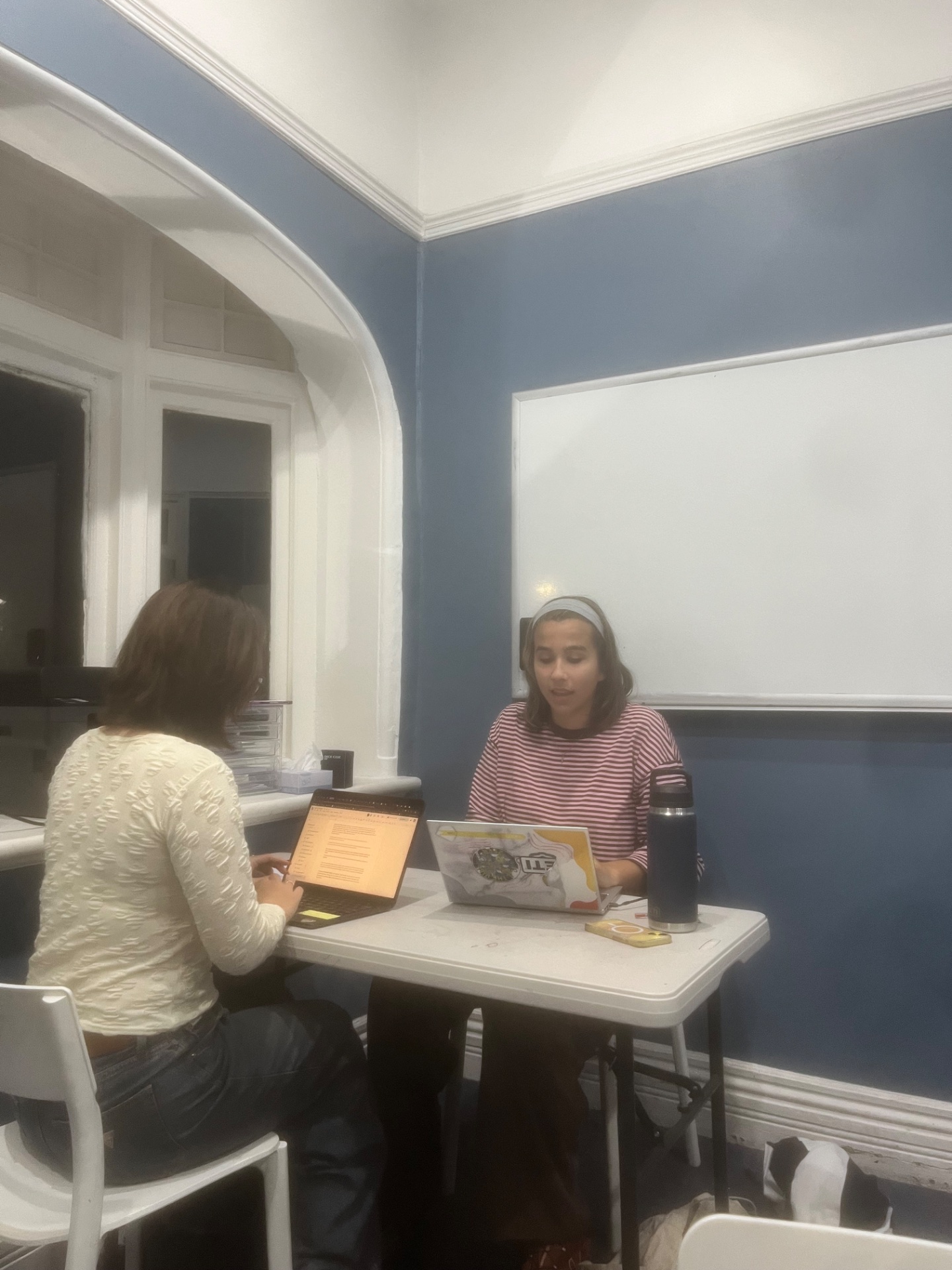
At First Education, the relationship between student and tutor is the foundation of meaningful learning. Unlike traditional classrooms, tutoring offers a more personalised and flexible environment, where connection plays a central role in academic growth. When this relationship is built on trust, respect and clear communication, students are far more likely to feel confident, motivated and willing to engage.

One of the most important aspects is trust. Students need to feel safe making mistakes and asking questions, without fear of judgment. In a supportive environment, errors are reframed as opportunities to learn rather than immediate failures. Tutors who actively listen, show patience and respond with encouragement help foster this sense of psychological safety that students need to thrive.

Equally important is understanding the individual needs of each student. No two learners are the same; some may require explicit, step-by-step guidance, while others benefit from open-ended challenges. Effective tutors take the time to recognise these differences and adapt their teaching strategies accordingly. This personalised approach improves academic outcomes, while simultaneously helping students feel seen and valued.

Communication is another key element. Clear explanations, constructive feedback and goal-setting conversations ensure that both tutor and student are aligned. When students understand what they are working towards and how to improve, they develop a stronger sense of ownership over their learning. It takes a lot of courage for a student to say “I don’t understand, I need help!” or “Can you please explain it again?” While it can be initially daunting, tutors are always there to support and through building a strong relationship, students’ needs can be met in the most effective way. This support is not limited to in-session assistance but also extends to the asking of ‘burning’ questions throughout the week, which is common amongst high school students who may be studying for upcoming exams.

Beyond academics, tutors often become mentors and role models. A positive relationship can boost a student’s confidence, resilience and attitude towards learning more broadly. In many cases, students who feel supported by their tutor begin to develop greater independence and a more positive self-image. As a result, they will look forward to attending weekly sessions and be more inclined to improve areas that they have trouble with.

Kaelyn Tan

Songs Leading Into Winter

Post Image

I’ve decided to stray away from advising on tutoring since it’s the end of term (and I’ve mostly run out of ideas for tips), so I have instead to pivot. I am now sharing some of my favourite bands to prepare for winter, specifically three that have been looped as of late for me. These are mainstream artists, too, so I dare Luci to step away from the light of T-Swift and try these out.

bôa (suggested song – “Drinking” or “Duvet”):
“Duvet” blew up on TikTok a couple of years back, so you probably have heard at least one of their songs at some point. They make incredibly low-key songs that thrive on melancholic emotions, adjacent to “The Cranberries” in terms of melodies and vocals; however, they are slightly more alternative than rock.

Mitski (suggested song – “If I Leave”):
Her new album “Nothing’s About to Happen to Me” was a welcome addition to her discography, with my absolute favourite track of the album being “If I Leave”. Again, it’s important we sit in the feelings of limerance when it gets cold, otherwise you’re not really living through Sydney winter.

LCD Soundsystem (suggested song – “All My Friends”):
This song is advertised like the rest of LCD’s musical tapestry: electronic, post-punk, dance until you break music. However, if anyone tells you that this song is like the rest, they are a liar. This is my favourite “stare at the ceiling and almost cry” song as of recent. Biggest recommendation out of all of these songs, especially as we are in Autumn, transitioning from humid sunsets into brisker evenings.

If you listened to or do listen to these artists or tracks, find me and tell me your thoughts.

Toby Bower