

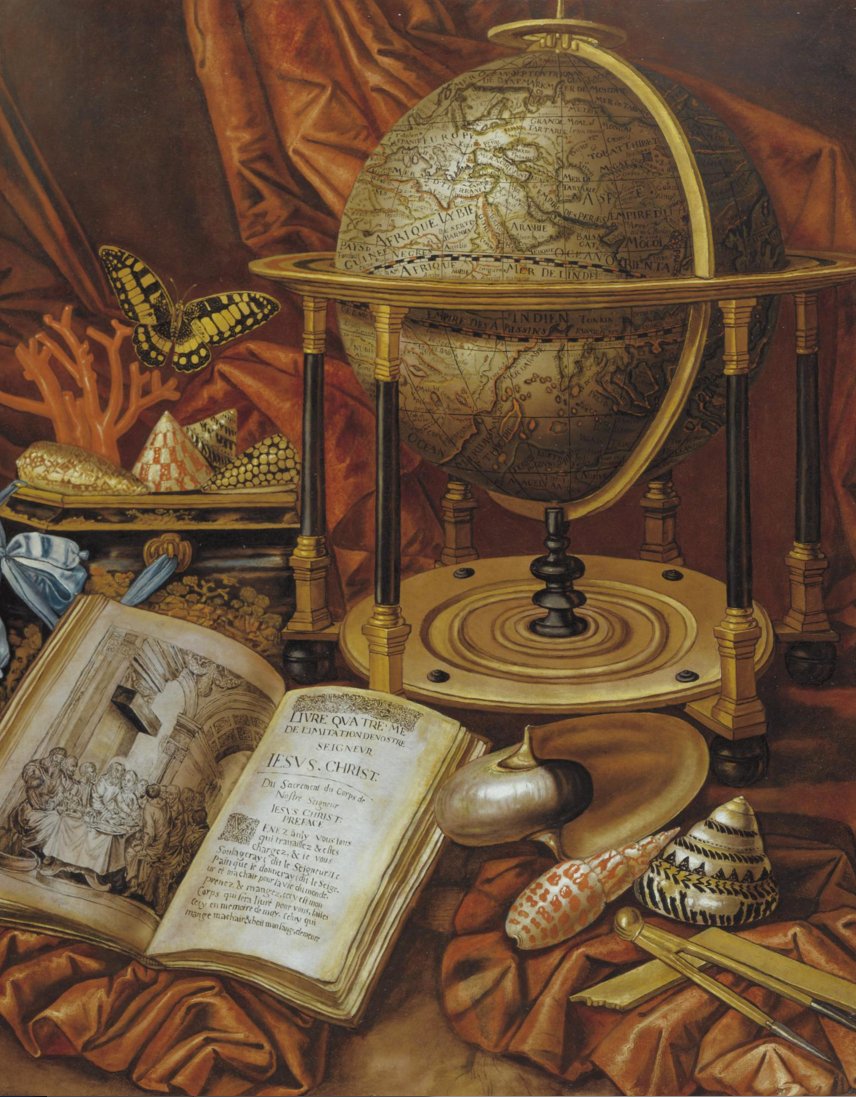
A common question of our time is “Why study history?”
What is the point of learning history? What is its practical value in someone’s life or for society?
When compared to mathematics, this makes perfect sense. Maths is timelessly relevant and is used for absolutely everything across all contexts. History, on the other hand, is not “timeless” or universal in the same way. It is contextual and involves the study of past events and people, and doesn’t appear to hold any value for future problems or circumstances.
This is a common misconception. History has been an object of study for millennia for a reason, alongside English, Maths and Science.
In fact, science has the same justification as history for being studied. Why is it important to understand how the universe works, and to be able to see the reasons behind cosmological phenomena?
These are the same questions as pertaining to history. Why is it important to understand how human societies, nations, states, governments, economies, and communities work? Why is it important to know how decisions can be felt in the future, and how certain spheres like economics and geography can be linked to others such as military and politics?
History is not concerned with trying to figure out exactly what happened in the past. Rather, it is about using evidence to both approximate the events of the past and to understand their underlying reasons.
By learning the reasons behind the start of the World Wars, or why we use certain governmental systems, or how certain economic policies have impacted a nation, we can apply this knowledge to our own times and beyond: we can predict the future of society.
History allows us to see where we could be headed, depending on what is observed during our times. That is the reason why people criticise the decisions of our leaders – because they try and analyse the impact of these decisions using the same reasoning as historians use.
We should encourage more people to learn history; as a human you are obliged to know about your ancestors and your world!
Raphael Dokos