

First Education

Explaining content back

Post Image

One of the most effective strategies in tutoring is also one one of the simplest, which involves getting students to explain concepts in their own words. Although it sounds straightforward, the impact it has on learning is often underestimated.

Many students believe they understand a topic because it feels familiar. They have read their notes, highlighted concepts to remember and followed examples given to them. But familiarity is not the same as mastery. True understanding reveals itself when a student is asked to explain an idea clearly, without relying on notes or prompts.

This is where explaining content back as a method is rather powerful.

When a student teaches a concept, whether it is analysing a quote in English or solving algebraic equations in Maths, students are required to organise their thoughts, identify gaps in their knowledge, and make connections between ideas. If they struggle to explain something simply, it usually means they do not fully understand it yet. That moment of hesitation is incredibly valuable because it shows exactly where learning needs to happen.

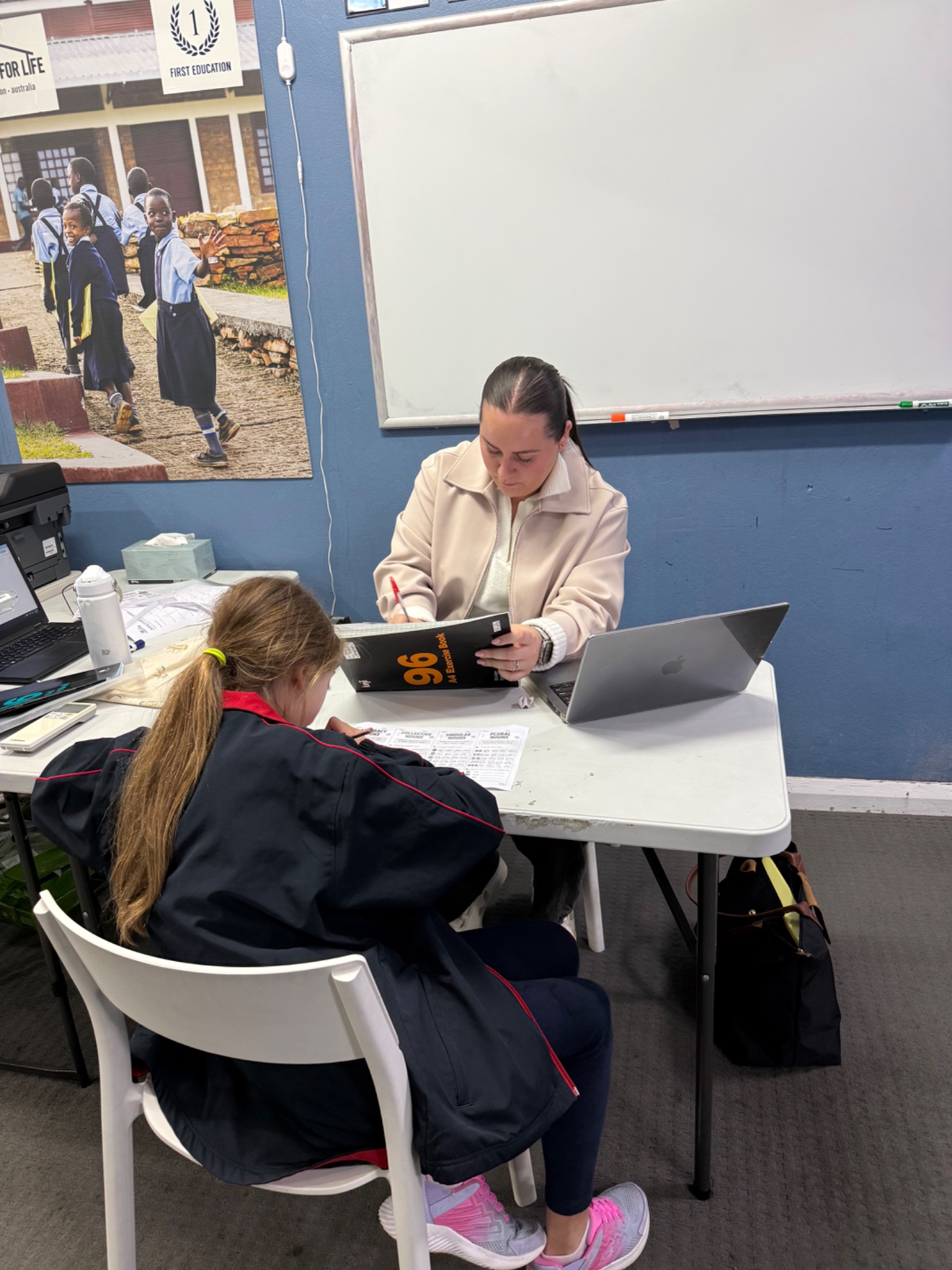
In tutoring sessions, this strategy often shifts the dynamic. Instead of the tutor doing most of the talking, the student becomes an active contributing student. They move from passively listening to actively constructing knowledge. Over time, this builds confidence as well as competence in understanding the content.

Importantly, explaining does not need to be perfect. In fact, mistakes are part of the process and are a good way to learn. When students attempt to articulate their thinking and get something wrong, it creates an opportunity for clarification and deeper understanding. It also normalises the idea that learning is a process, not a performance.

This technique can easily be applied outside of tutoring during the week. Students can explain concepts out loud to themselves, teach a friend or even a family member. The method remains the same, if you can teach it then you understand it.

Overall, in an environment where students typically take on passive study habits, explaining content back stands out because it requires engagement. In particular, it turns knowledge into something active, flexible and truly understood for students.

Annie Bulkeley

How school sets the fundamentals for the future

Post Image

School, a place where we learn, grow and dread going every Monday after a busy weekend of studying, only to be faced with more studying. However the lessons we learn in school determine fundamental learning patterns about our own values, hopes and aspirations which we have for a future lives.

Whilst we may not agree with the rules and structure of our ventures to school, we must consider the benefits of applying ourselves to these measures. For example after attending a school which constantly stressed the importance of appearance, entering a workplace I feel accurately aware of what the industry expects of me. Likewise upholding values such as respect and being caring for each other, are fundamentals which are taught in school and are sought to be upheld within our everyday lives.

Hence, school may feel overwhelming with workload and extra curricular stressors which absorb our schedules. However as individuals we must consider how valuable our time is, and the management techniques we have adopted over the years to allow us to set ourselves up for our future careers and aspirations.

Finally by attending school, students gain the opportunity to seek out greatness within the world, by choosing their own career paths and narratives. School allows students to pick paths which suit them, this is showcased in the selection of potential HSC subjects or by applying themselves in sports. By seeking our own futures, individuals are given the opportunity to be whoever they desire, regardless of the narratives which are presented to them via social media or external pressures.

Furthermore students are encouraged to attend school and grasp the full capabilities within their development of their own minds. By seeking non-monetary benefits from school such as values, aspirations and hope for the future, students are presented with the valuable foundations for a successful future.

Flora Carabitsios

Why Dead Poets Society still teaches us how to learn

Post Image

Theres something about Dead Poets Society that refuses to stay in the past. despite being set in a rigid, tradition-bound school, its message feels most more urgent today….. especially navigating the pressures of the HSC. At its core, the film challenges the idea that learning is simply about memorisation, compliance and ticking boxes. it is about engaging with ideas, questioning norms and finding your own voice within work. In the HSC, success doesn’t come from retelling the plot or memorising essays word for work. it comes from thinking. from forming personal interpretations, analysing how texts shape meaning and being able to express ideas with clarity and confidence. Mr. Keatings classroom within the film embodies this; seeing the world from new perspectives and creating active learning.

The film also highlights the tension between individuality and expectation, a theme that resonates deeply with students today. Whether it’s choosing subjects, writing creatively, or forming opinions, there’s often a pressure to conform. Dead Poets Society reminds us that true learning happens when we take risks, challenge conventions, and trust our own insights.

For tutoring, this is key. It’s not about feeding students answers, it’s about helping them discover them. Encouraging curiosity, building analytical confidence, and showing students that their voice matters.

Jana Panagopoulos

Study tips for students who hate studying

Post Image

Studying can be a difficult feat for those of us who lack motivation, guidance and the understanding of how to begin. Some of the most prevalent challenged that most students face when they start to study is knowing what work on first, the most obvious advice I can give is begin with what challenges you but how do you know what that is? Well, you can look through your school books and try to decipher what you are getting wrong verses right or you can focus on the subject or sub topic that you dislike the most (this is typically what you are struggling with).

Now that you have chosen what to study its time to start studing, but what to start with? There are a multitude of sections that are all diffent and challenging and the best way to start is to break them down into even smaller sections. Creating a mind map with all the sub sections and see how they relate to each other then pick one and follow your map as you go. Complete questions and see if you have improved before moving on.

Motivation to start is something that can be overcome by understanding what your goals actually are. Working out why you want to do well, why you want to improve and why you want to study are key to understanding where your motivation comes from as well as how to promote disipline when studying. If you have specific uni course you want to get into or career path you want to follow then that could be the motivation for your studying. Understanding your goals, creating mood boards or inspirational playlists can help you create motivation and can allow you to start studying easily rather than forcefully.

Understanding your best method for studying also helps. Tailoring your study time is key if you want to study for a shorter amount time with more efficiency. You may be a visual learning, an auditory learner, or you may prefer a more hands on approach. Understanding your way of learning can significantly enhance your ability to learn making it more time efficient and productive.

Overall, studying is an extremly individual activity and different things work for different people so its important to understand what works for you.

Olivia Moustakis

Managing dwindling motivation levels

Post Image

As the holidays approach and exams wrap up, keeping students motivated during tutoring sessions can feel challenging. With pressure reduced, it is natural for focus to dip. However, this period can also be a great chance to make learning feel more enjoyable, flexible, and meaningful.

One effective strategy is to shift the tone of sessions. Move away from strict, exam-focused content and introduce lighter, curiosity-driven activities. This might include educational games, real-world problem solving, or exploring topics the student finds interesting but did not have time for during the term. When learning feels engaging, students are more likely to stay involved.

Setting short-term, achievable goals can also help maintain momentum. Without the structure of upcoming exams, students may feel a lack of direction. Clear, manageable objectives, such as mastering one concept or completing a small project, provide purpose and a sense of progress.

Another important factor is autonomy. Giving students some choice in what or how they learn can increase motivation. They might choose a topic, decide how to approach a task, or set their own goals. This sense of ownership encourages active participation.

Finally, consider keeping sessions more dynamic, taking frequent breaks and changing the modality of the session (whiteboard, discussion, etc) frequently will help mitigate disengagement.

Sophie McGrath

Balancing School, Extracurricular Activities, Social Life, and Wellbeing

Post Image

High school can feel like a juggling act. Between schoolwork, sports, part-time jobs, clubs, friends, and family commitments, not to mention sleep, it’s easy to feel overwhelmed. But with the right approach, it is possible to find balance and thrive across all areas of life.

Start by recognising that balance doesn’t mean doing everything equally. Some weeks school might take priority, while other times you might focus more on a big sports event or important personal time. The key is being intentional with your time and energy.

Time management is crucial. Using a planner or digital calendar can help you map out your weekly commitments and find windows for study, rest, and fun. Planning ahead also prevents last-minute stress and missed deadlines.

Learn to prioritise. You don’t need to say yes to every opportunity. Choose extracurriculars that genuinely interest you, not just the ones that look good on a résumé. Focus on quality, not quantity.

Make time for rest and wellbeing. Sleep, exercise, and downtime aren’t luxuries, they’re essential. Overcommitting might seem productive at first, but it quickly leads to burnout. Regular breaks and time to relax with friends or family help recharge your mind and boost your academic performance in the long run.

Lastly, don’t be afraid to ask for support. Whether it’s a teacher, tutor, parent, or coach, talk to someone if you feel like you’re slipping behind or stretched too thin. Often, small adjustments can make a big difference.

Balancing a busy schedule is a skill, one that takes practice. But with planning, self-awareness, and a focus on what truly matters, you can succeed academically and enjoy everything else that makes school life fulfilling.

Julian Podgornik

How to excel at English HSC

Post Image

Excelling in HSC English Standard is not about natural talent but about strategy, consistency, and understanding what examiners expect. The first step is developing a strong understanding of the syllabus and module rubrics, as these guide the focus of all responses. Rather than memorising essays, students should understand how texts explore key ideas such as human experiences, identity, or contemporary perspectives.

A clear and logical essay structure is essential for high band responses. Introductions should directly answer the question and present a clear thesis, while body paragraphs must include strong topic sentences, relevant textual evidence, and detailed analysis of language techniques. Avoid retelling the plot and instead focus on how meaning is constructed. Strong technique analysis distinguishes Band 5 – 6 responses. Students should not only identify techniques such as imagery, symbolism, or irony, but also explain how they shape audience understanding and connect to module concepts. This demonstrates deeper insight rather than surface level knowledge.

Regular practice under timed conditions is crucial. Writing essays and short responses helps build speed, confidence, and clarity, enabling students to adapt to any exam question. Additionally, developing a clear and natural writing style is more effective than using overly complex vocabulary. Precision and fluency are valued by markers. Preparation for unseen texts is also important. Students should practise analysing various text types to develop flexibility and confidence in exams. Ultimately, consistent revision, feedback, and strategic preparation allow students to transform English Standard into a high scoring subject and achieve strong HSC results

Sara Theocharidis

Observations on tutoring

Post Image

One of the more interesting aspects of tutoring is the way it exposes the gap between what students are taught in classrooms and how they actually come to understand material. Through observation, it becomes evident that many students are not necessarily struggling with the content itself, but with the pace, framing, or assumptions embedded in traditional teaching environments. Tutoring provides the space to slow this process down, to revisit foundational ideas, and to reframe concepts in ways that feel more accessible and intuitive. A recurring pattern is that students often carry small misunderstandings that compound over time, and these gaps only become visible in a one-on-one setting where their thinking can be closely examined. Another key observation is the importance of active engagement; students who are encouraged to explain their reasoning, ask questions, and make mistakes tend to develop a deeper and more durable understanding than those who passively receive information. This dynamic also highlights the tutor’s role not as an authority delivering answers, but as a facilitator of thinking, guiding students to refine their own reasoning processes. Additionally, tutoring reveals how motivation is often situational rather than fixed; students who may appear disengaged in a classroom can become highly focused when they feel seen, supported, and intellectually challenged. Over time, this shift can significantly alter their relationship with learning itself. Ultimately, tutoring underscores that education is not simply about transferring knowledge, but about creating the conditions in which understanding can emerge, often in ways that are highly personal and unexpectedly transformative.

Lara Venn Jones

Tutoring observation

Post Image

Tutoring, from my observation, occupies a unique space between teaching and mentorship, where academic support blends with personal development in subtle but powerful ways. What stands out most is how individualised the process is; no two students respond in quite the same way, even when faced with identical material. Some require structure and reassurance, others thrive on intellectual challenge and being pushed beyond their comfort zone. Over time, it becomes clear that effective tutoring is less about simply explaining content and more about learning how each student thinks, identifying patterns in their misunderstandings, their hesitations, and even their confidence levels. There is also a noticeable shift that occurs when students begin to trust both the tutor and their own abilities; moments of clarity often come not from direct instruction, but from carefully guided questioning that allows them to arrive at answers independently. Another key observation is the importance of language, how the phrasing of a question or explanation can either unlock understanding or reinforce confusion. In subjects like English or essay writing, especially, progress is often tied to a student’s ability to articulate ideas rather than just comprehend them internally. Additionally, tutoring reveals how closely academic performance is tied to mindset; students who initially approach tasks with reluctance or self-doubt can, with consistent encouragement and small successes, develop a more resilient and engaged attitude. Ultimately, tutoring is as much about fostering confidence and independence as it is about improving grades, and the most rewarding aspect is witnessing students gradually require less guidance as they become more capable, self-assured learners in their own right.

Lara Vennjones

Observation

Today, I had the opportunity to observe Demetria tutor her year 11 student in English. I immediately noticed Demetria’s competent tutoring ability through the way that she described, analysed, and reflected on language choices. They appeared to be working through a reflective writing task for an upcoming assessment. There were a few positive things that Demetria did that caught my attention. Firstly, she spoke with vigour throughout her lesson. Demetria is clearly quite confident at tutoring English and has a sound understanding of the HSC syllabus and associated modules. As a tutor it is important to constantly revise topics and syllabus’ in order to be able to deliver effective learning to our students. This ‘effective learning’ can also come in the form of confidence when teaching, which makes students more engaged and trusting.

Secondly, Demetria asked a lot of introspective questions. Though this may seem overly sophisticated for a year 11 student, Demetria had the right idea as the Band 6 students often possess a unique ability to reflect and comment on their language choices, purpose of their reflective piece, and external influences or forms of inspiration. Further, Demetria often encouraged her student to use their own brain as opposed to looking for an answer that they had not yet memorised. This is an effective method of learning as it strengthens active recall – a trait that is especially required in a subject such as English. Although English does permit memorisation, it is important to be fluid and adaptable as opposed to solely relying on a rigid structure with minimal leeway. Demetria mitigated this through reinforcing the important of structure in reflective and analytical writing. In this way, she assisted her student by refining their structure and making sure that they understood the changes that she was making to the specific body paragraphs. Well done Demetria.

James Petrakis