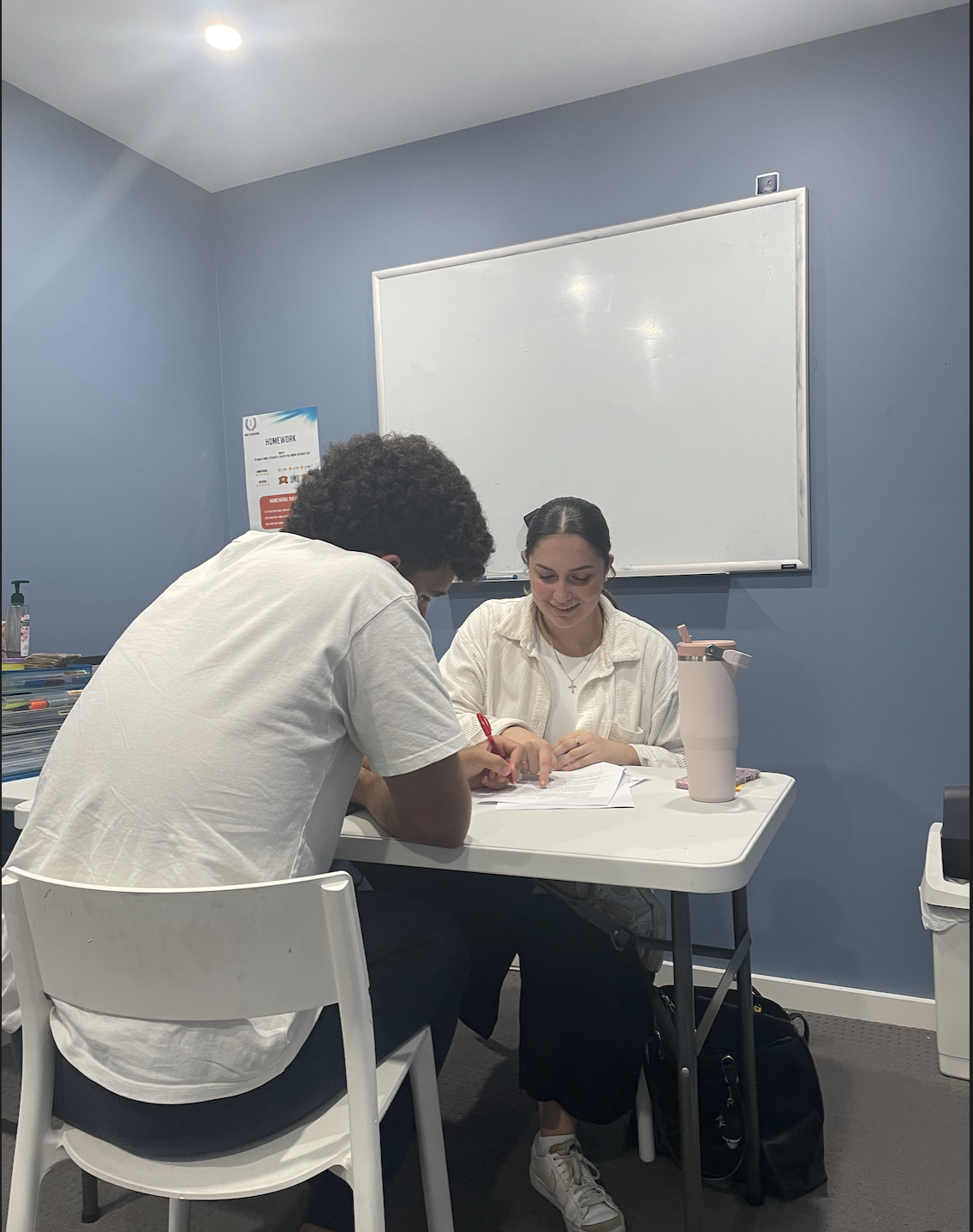


Tutoring is often seen as the process of explaining concepts to a student, however, it is clear that true learning happens not when answers are stated, but questions are asked. Simply relaying information to a student can feel lecture-esuqe and will prevent the student from engaging criticially with the content. However, a well placed question can unlock a student’s ability to make connections, and actually comprehend the information.
In tutoring, Socratic questioning is invaluable. Instead of asking, “Do you understand?” – which often yields a half-hearted, hesitant “yes,” it is clear a more effective approach is, “how would you explain this concept to someone.” This questioning shifts students from simple passive reception to active articulation, revealing gaps in their understanding and reinforcing knowledge through engagement.
Guiding students through problem-solving is far more beneficial than simply providing solutions. Asking, “what information do you have?” or “what would be my the next step?” encourages students to practice logical reasoning and pattern recognition. These strategies help students internalise methods, able to apply it to foreign scenarios and real world applications.
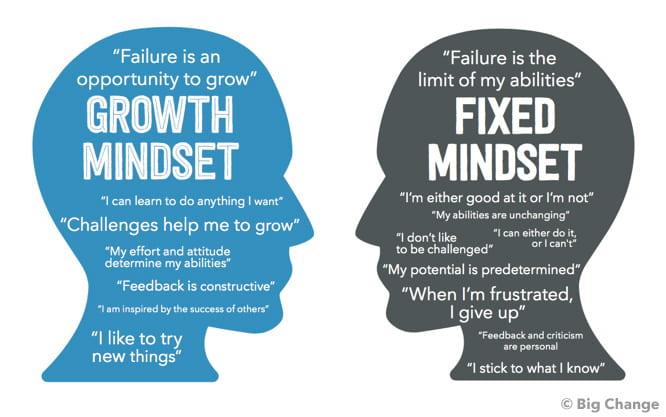
Beyond content, effective questioning makes the student feel more confident. Most students hesitate to speak up, fearing mistakes, being embarassed by stating the wrong answer. By normalising inquiry and reflection, like “what do you think the author was trying to achieve?” or something along the lines of “why do you think this step is necessary?” – students gain the comfortability to be wrong, and see it as an opportunity, not a weakness.
Thus, the notion of questioning invites us to consider that great tutoring isn’t just about teaching; tutors are only with students for a few hours a week, thus, it’s about empowering students to think and explore independently. Because, the real success of a tutor isn’t measured by how much they explain, but by how much their students learns.
Oliver Fletcher