

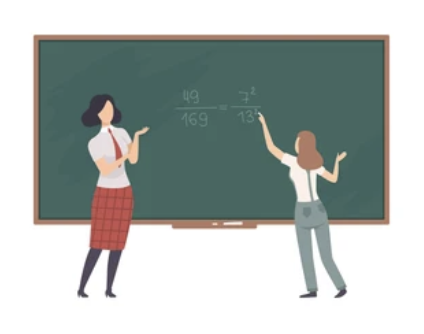
One of the most powerful and underrated learning strategies doesn’t involve highlighters, flashcards or even extra homework. It’s teaching. In tutoring, we often flip the script. Instead of always explaining content to students, we ask them to explain it to us. At first, this surprises them/ “But you’re the tutor!”, they say. Exactly, which is why it works. When a student teaches a concept aloud, something shifts. They can’t behind recognition; “I remember seeing this before”. They must organise their thoughts, identify gaps in understanding and communicate clearly. If they stumble, that’s not failure, it’s feedback. It shows exactly where the confusion lies.
This method, strengthens memory and deepens comprehension. Explaining how to solve an equation, analyse a quote or apply a legal principle forces the brain to move beyond memorisation into mastery. We see it all the time. A student who struggles to write structured essays suddenly gains clarity after explaining the paragraph structure step-by-step. A maths student who feels unsure becomes more confident after walking through a solution aloud. By the end, they often say, “Wait, that actually makes sense now”. Teaching also build confidence. When students realise they can clearly articulate a concept, their self-belief grows. They stop seeing themselves as passive recipients of information and start seeing themselves as capable thinkers. Parents can encourage this at home too. Ask your child to “teach” you a concept they learned that day. It doesn’t matter if you understand the subject, what matters is that they practice explaining it. At its core, tutoring isn’t about dependence. It’s about empowerment. When students can teach the material themselves, they’re no longer just preparing for the next test, they’re building skills that last well beyond the classroom.
Isabella Naumovski