

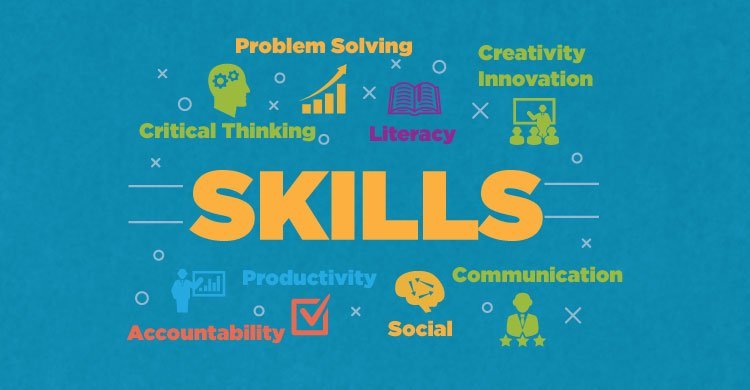
When students prepare for assessments, many focus on memorising information. They reread notes, highlight key points and review definitions, hoping that familiarity with the content will lead to strong results. While understanding content is important, success at school often depends on something deeper. Students also need to practise thinking, applying and analysing what they have learned.
Modern assessments rarely reward memorisation alone. In maths, students are expected to apply concepts to unfamiliar problems. In English, they must interpret texts and justify their ideas. In science and humanities subjects, students often need to explain reasoning, compare ideas and draw conclusions. These tasks require flexible thinking, not just recall.
Students who focus only on memorisation may feel confident while studying but struggle when questions look slightly different from what they expected. This can be frustrating, especially when they feel they have spent time preparing. The challenge is not a lack of effort but a lack of practice in applying knowledge in different contexts.
Tutoring helps students develop these thinking skills. Tutors often ask open ended questions, encourage students to explain their reasoning and present unfamiliar problems that require adaptation. This approach builds confidence in handling new challenges and strengthens understanding at the same time.
One effective strategy is to practise using knowledge in varied ways. Instead of simply reviewing notes, students can attempt practice questions, summarise ideas in their own words or explain concepts aloud. These activities encourage deeper thinking and help students connect information more meaningfully.
It is also helpful for students to reflect on how they solved a problem, not just whether they answered correctly. This reflection builds awareness of their thinking process and makes it easier to tackle similar tasks in the future.
When students practise thinking as well as content, their learning becomes more flexible and lasting. They feel more prepared for unfamiliar questions and more confident in their ability to adapt. Over time, this shift leads to stronger understanding, improved performance and greater independence in learning.
Freddie Le Vay