

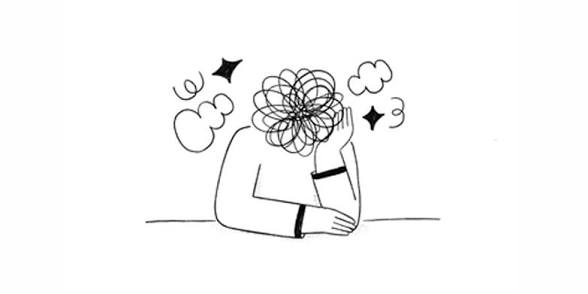
It can be confusing to watch a student struggle with a question that seems straightforward. They pause for a long time, second guess their answer or change it multiple times, only to end up incorrect or unsure. At First Education we see this often, and in many cases it is not a lack of ability. It is overthinking.
Overthinking usually comes from a place of uncertainty or pressure. Students who want to do well may feel the need to find the “perfect” answer rather than a correct one. This can lead them to doubt their first instinct, even when it is right. Instead of applying what they know, they begin to search for hidden tricks or complications that are not actually there.
Another reason students overthink is a lack of confidence in their understanding. If their knowledge feels shaky, they may not trust themselves to make quick decisions. This is common in subjects like maths, where students might know the method but hesitate, wondering if there is a different approach they are supposed to use.
Time pressure can make this worse. In tests, students who overthink often spend too long on simple questions and then feel rushed on more complex ones. This creates a cycle where stress increases and decision making becomes even harder.
Tutoring helps students develop clearer thinking habits. Tutors guide students to recognise when a question is testing a basic concept and when it requires deeper analysis. They also encourage students to trust their first reasonable answer, then check it rather than immediately changing it. This builds both accuracy and efficiency.
Simple strategies can also help. Encouraging students to underline key information, identify what the question is asking and state their first step before solving can reduce unnecessary doubt. Over time, these habits become automatic.
Overthinking is not a fixed trait. With the right support, students learn to approach questions with clarity and confidence. When they trust their thinking and apply their knowledge directly, they often find that “simple” questions become exactly that.
Freddie Le Vay