

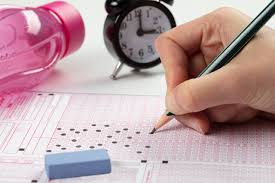
A lot of students think doing practice exams just means smashing out as many papers as possible. But the truth is, it’s not about how many you do, it’s about how you use them. Done properly, practice exams can be one of the most effective ways to improve your marks.
The biggest mistake students make is finishing a paper, checking the answers quickly, and moving on. That doesn’t actually help much. The real improvement comes from going back through your mistakes and figuring out why you got things wrong. Was it a silly error, a timing issue, or something you didn’t fully understand. That’s where the learning happens.
Practice exams also train your brain for the real thing. Sitting down for a full paper helps you get used to the pressure, the timing, and staying focused for a long period. It stops exams from feeling unfamiliar or overwhelming. By the time the real exam comes around, it just feels like another paper.
They’re also great for spotting patterns. You start to notice the types of questions that come up again and again. In subjects like maths and English, this is huge. You begin to understand what markers are actually looking for, which makes your answers more structured and confident.
Another big benefit is time management. A lot of students know the content but struggle to finish exams. Practice papers help you learn how long to spend on each question and when to move on.
At the end of the day, practice exams aren’t just revision. They’re training. If you take the time to review your mistakes, understand your weak spots, and learn from each paper, you’ll see real improvement. It’s one of the smartest ways to study, especially in the lead up to big exams like trials or the HSC.
Eireyna Papinyan