

Tutoring both year 11 and 12 students, I have been able to reflect on the methodologies, topics and strategies that are emblematic to the English curriculum, both advanced and extension. In guiding them through the modules of advanced it has come to my attention that besides the obvious factors of memorisation and exam technique, it lacks the ability to cultivate creativity and give students writerly freedom, the same values I found in both English Extension 1 and 2.
It is in my relaying of the syllabus and what is required of advanced that provides reasoning for why I think all students doing advanced should attempt extension 1. Where advanced, like most parts of the HSC syllabus, fails to inspire students, English Extension 1 provides breadth to have creative freedom. Perhaps most students don’t enjoy English because they have never been given access to this freedom.
You have the ability to implement texts and ideas of your choosing within the common module, literary worlds. There is no rigid expectation to stick with a specified form or genre, this is where E1 differed for me at least, it welcomed me to explore the transhistoric nature of reading and in turn the diverse ways to write beyond discursive, imaginative, essay etc. My own basis piece for literary worlds utilised poetry, prose and a readerly journey, just one example of how this subject gives you the opportunity to go beyond the grain.
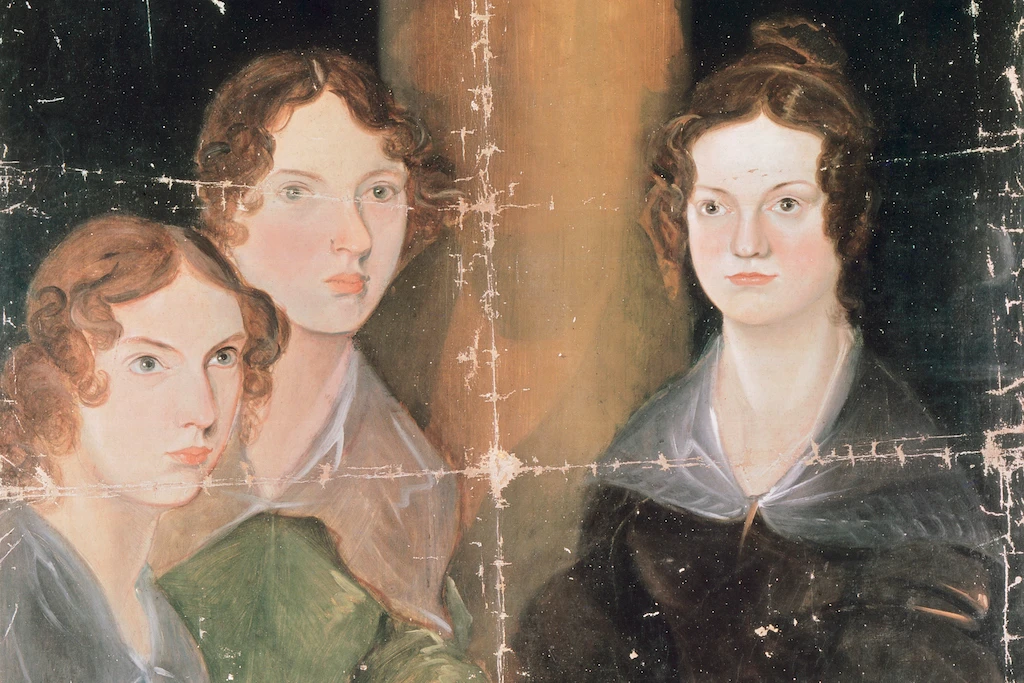
This was furthered in my uptaking of E2 in year 12, 6000 words of whatever you desire. I chose to focus on the falsehood of the sisterhood, specifically zooming into the dynamic of the Brontë sisters, through the lens of my favourite theorists. On top of it I had the opportunity to combine creative writing and essayistic, in having breaks throughout my piece whereby I appropriated letters the sisters had wrote to each other. This was true creative freedom for me, after all it was inspired by my own upbringing as one of three sisters, whereby female dialogue has been an ever-present condition of my existence and it was the Brontë sisters who gave me a language for this dynamic.
This is what I truly wish was focal in the English syllabus, rather than stringent idealisations of structure and analysis, true creative freedom to learn how to love the essential acts of reading and writing.
Cara Charalambous