

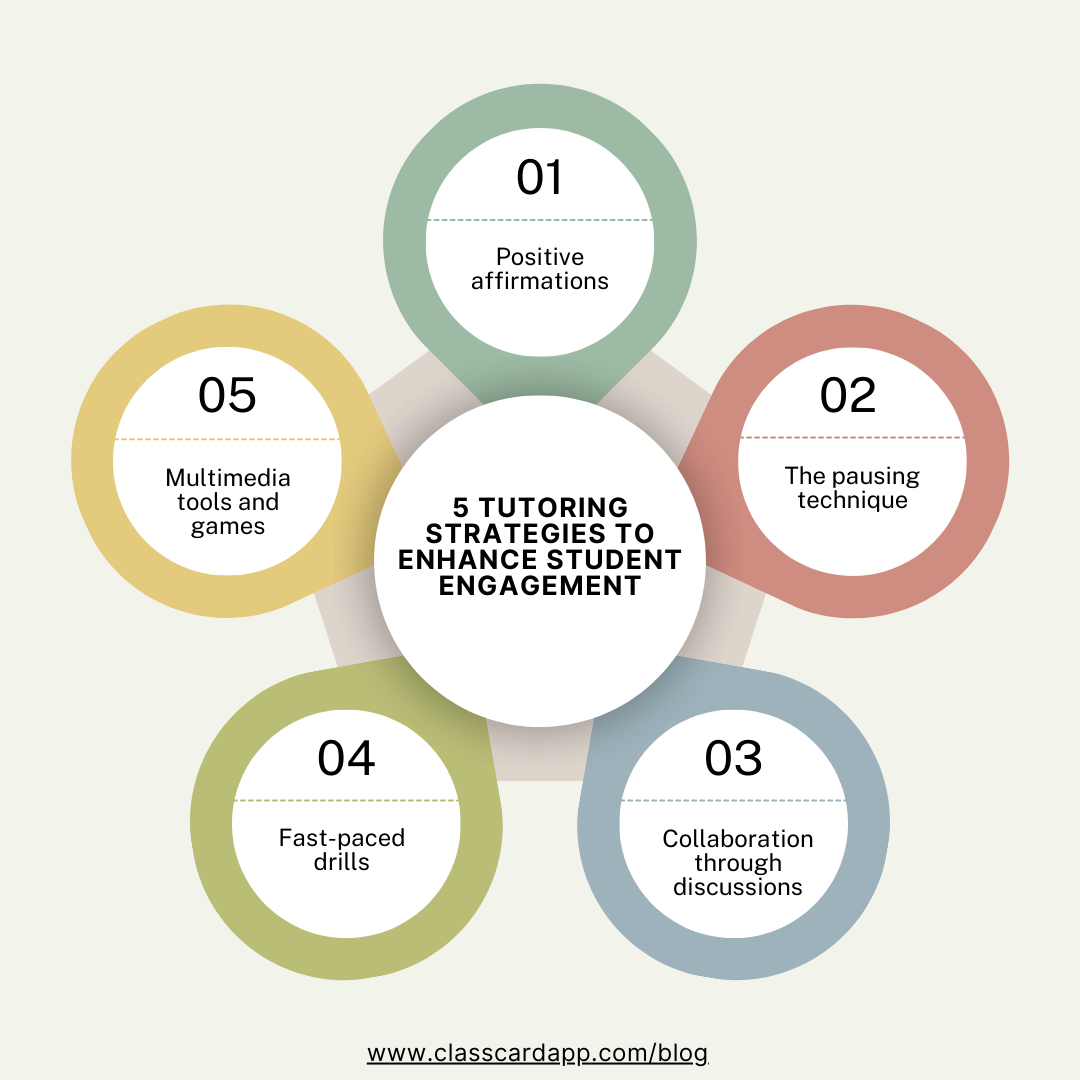
By experiencing what it is like to tutor, I have developed strategic ways to keep students engaged during sessions, especially when materials do not provide an obvious structure. An effective engagement strategy begins with understanding how each student learns. Every student brings different prior knowledge, learning preferences, and motivations. By identifying these factors early, I can tailor sessions to meet their needs. For example, some students respond well to visual aids and structured outlines, while others benefit more from discussion-based exploration or targeted practice questions.
Students are more engaged when they understand why they are learning something and how it connects to their goals. As a tutor, I aim to clearly define session objectives and link activities to measurable outcomes such as improved grades, exam readiness, or skill development. Breaking larger goals into manageable steps also helps maintain motivation by creating frequent opportunities for success without overwhelming the student.
Active participation is another key element of engagement. Rather than relying solely on explanation, I incorporate questioning, collaborative problem solving, and immediate feedback. This approach encourages students to think independently and identify areas for improvement through their own reasoning rather than depending entirely on my guidance.
Maintaining a positive and supportive environment is equally important. Providing constructive and encouraging feedback helps students recognise their progress and strengths. When students trust the feedback they receive and feel comfortable making mistakes, they are more willing to participate and remain engaged.
I also challenge students with tasks that require deeper thinking. Increasing difficulty appropriately encourages sustained focus and promotes stronger skill development. For instance, in English sessions I use past paper questions that challenge their analytical abilities. While these tasks are demanding, I provide structured support so students feel challenged but not discouraged. This balance keeps them motivated and invested in their learning.
Overall, these strategies have strengthened both student engagement and motivation in my tutoring sessions.
Matisse Laurent