

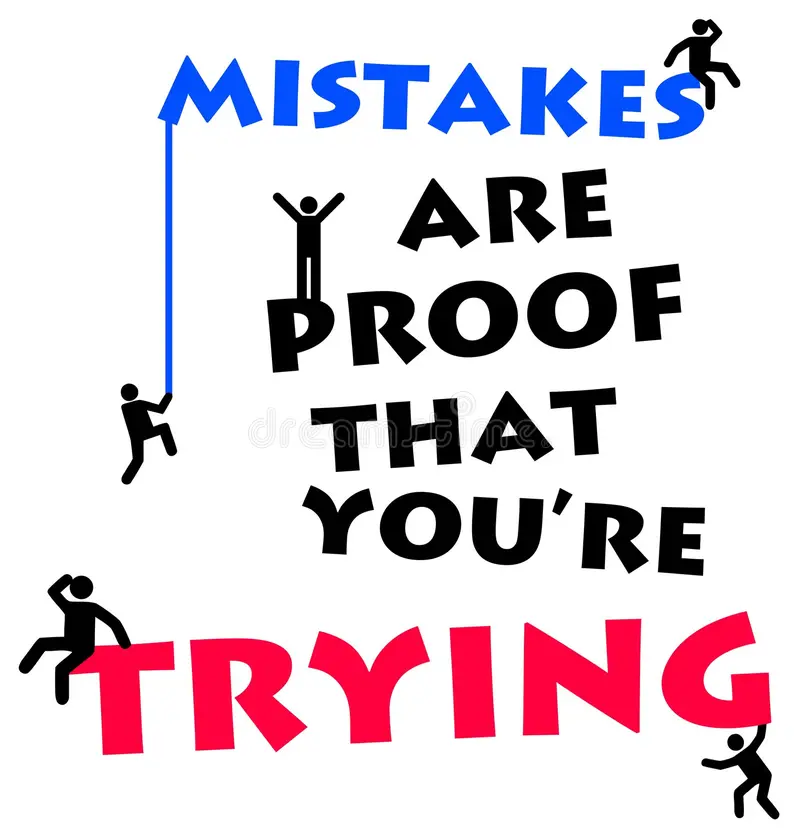
Mistakes are often stigmatised as something to avoid in learning. Many students worry about getting the “wrong” answer, fearing judgement or disappointment. In a tutoring environment, however, mistakes are not setbacks; they are powerful learning opportunities. At First Education, one-on-one sessions create a safe space where students can take risks without pressure. When a student makes a mistake, it gives tutors valuable insight into how that student is thinking. Rather than simply correcting the answer, tutors can explore the reasoning behind it, identify misconceptions and guide students towards deeper understanding. This helps learning become more meaningful and is a process that I have grown familiar with whilst studying to be a primary school teacher.
Mistakes also play a key role in building confidence. When students realise that making an error does not lead to failure or criticism, they become more willing to try. This shift in mindset encourages persistence, curiosity and resilience, which are all essential skills for long-term academic success. Over time, students learn that mistakes are a natural part of learning, not something to fear. In Maths and English, mistakes are particularly valuable. A maths error might highlight a gap in understanding a concept, while a writing mistake can open discussion about sentence structure, spelling patterns or vocabulary choices. I strongly believe that each mistake becomes a teaching moment tailored to the individual learner’s needs.
Tutors should be modelling positive attitudes towards mistakes. By normalising them and responding calmly and constructively, tutors show students that learning is a process. This approach helps students develop a growth mindset, adopting the belief that their abilities can improve with consistent effort and practice.
Ultimately, progress does not come from getting everything right the first time. It comes from reflecting, adjusting one’s understanding and trying again. In a supportive tutoring environment, mistakes are framed as stepping stones. When students learn to embrace mistakes, they gain not only academic skills, but confidence in their ability to learn, problem solve and grow.
Kaelyn Tan