

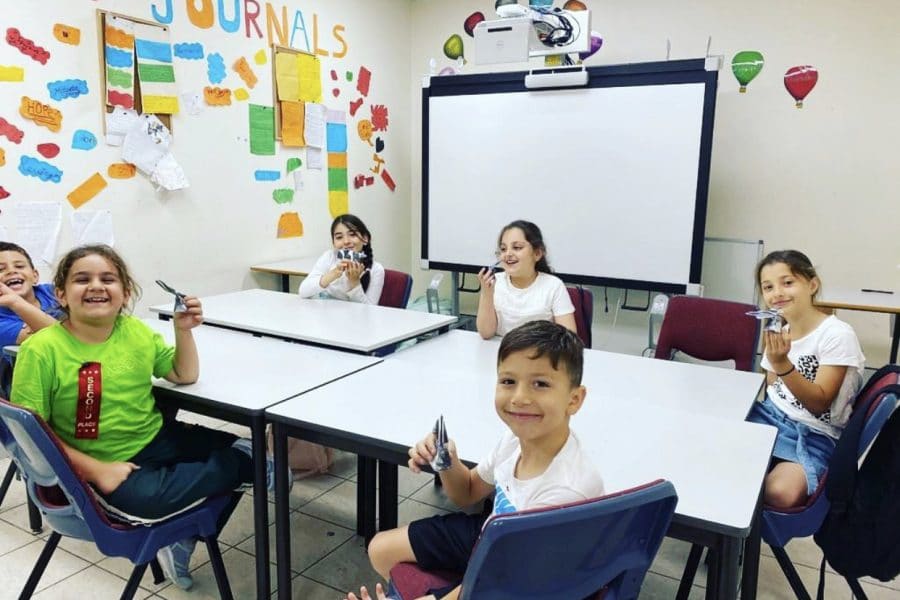
Tutoring has become an essential part of modern education, offering students personalised support that traditional classrooms sometimes struggle to provide. Whether a student is catching up, keeping up, or aiming to excel, tutoring can play a transformative role in their academic journey.
One of the greatest advantages of tutoring is individualised attention. In a typical classroom, teachers must divide their time among many students, making it difficult to address everyone’s unique learning needs. A tutor, however, can focus on a single student or a small group, adapting explanations, pacing, and teaching strategies to match the learner’s style. This personalised approach helps students grasp difficult concepts more effectively and builds a stronger foundation of knowledge.
Tutoring also boosts confidence. Many students hesitate to ask questions in class because they fear embarrassment or feel pressured by their peers. In a tutoring environment, students often feel more comfortable expressing confusion and exploring ideas. As they begin to understand challenging material, their self-confidence grows, which can lead to improved participation and performance in school.
Another benefit is the development of study skills. A good tutor does more than explain homework problems: they teach students how to learn. Time management, note-taking, critical thinking, and exam preparation are valuable skills that tutoring can reinforce. These abilities help students become more independent learners, benefiting them not just in one subject but throughout their education.
Tutoring can also help close learning gaps. If a student has fallen behind due to illness, transitions between schools, or difficulty with certain topics, tutoring provides targeted support to rebuild understanding and catch up with the curriculum.
Ultimately, tutoring is not just about improving grades; it is about empowering students. By providing guidance, encouragement, and tailored instruction, tutoring helps learners unlock their potential and develop the confidence and skills they need for lifelong success.
Natalie Ha