

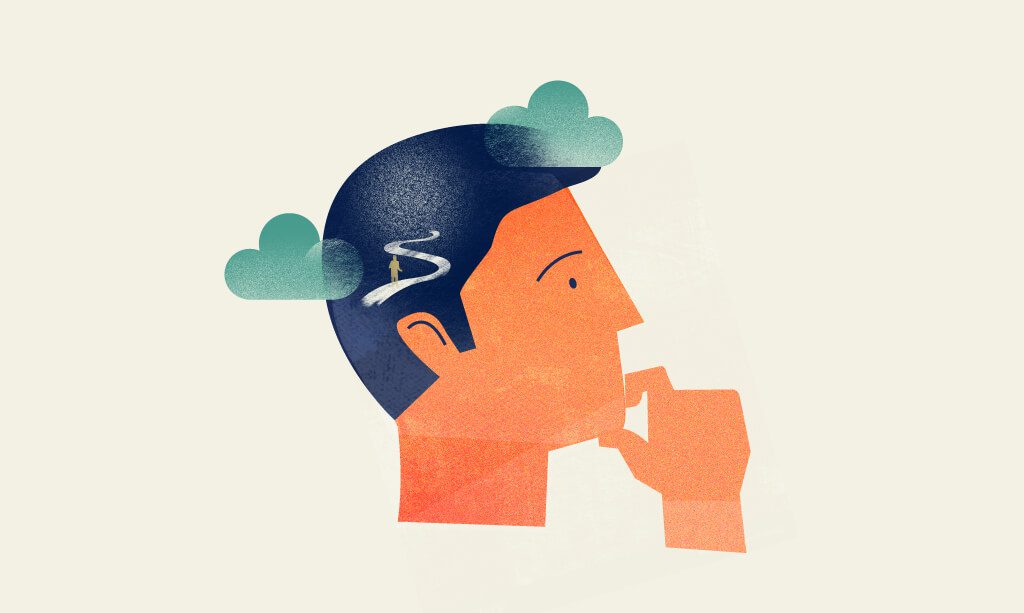
As a tutor, I have become increasingly attentive to a behaviour that appears harmless on the surface: guessing. At first glance, it seems almost innocent—an anxious student offering a quick answer with a shrug, as if to say, “It doesn’t matter anyway.” But over time, I have come to see guessing not as a minor habit, but as a subtle and dangerous pathology that grows out of a very human fear: the fear of being wrong.
For many students, guessing is protective. If they guess and get it wrong, the mistake feels detached from their identity. They can say, “I was just guessing.” The emotional cost is low. But if they genuinely try—if they commit to reasoning through a problem—and they are wrong, it feels personal. Guessing becomes a shield against vulnerability. Unfortunately, that shield also blocks learning.
When students rely on guessing, they stop asking clarifying questions. They stop wrestling with concepts. They bypass the discomfort that signals cognitive growth. Over time, this avoidance prevents them from consolidating foundational skills. In mathematics especially, gaps compound. A student who guessed their way through fractions will struggle profoundly with algebra; one who never truly grasped algebra will be overwhelmed in advanced high school courses. The danger is not immediate failure—it is delayed fragility.
I have learned that my role is not simply to correct wrong answers but to reshape the emotional meaning of being wrong. Effort must be positively reinforced—explicitly praised, highlighted, and normalised. Mistakes must be reframed as evidence of thinking. At the same time, guessing must be gently but consistently discouraged. Not shamed, but interrupted. Students must see that intellectual courage—not protective guessing—is what builds real competence. Only then can foundations solidify and confidence become authentic rather than defensive.
Thea Macarthur-Lassen