

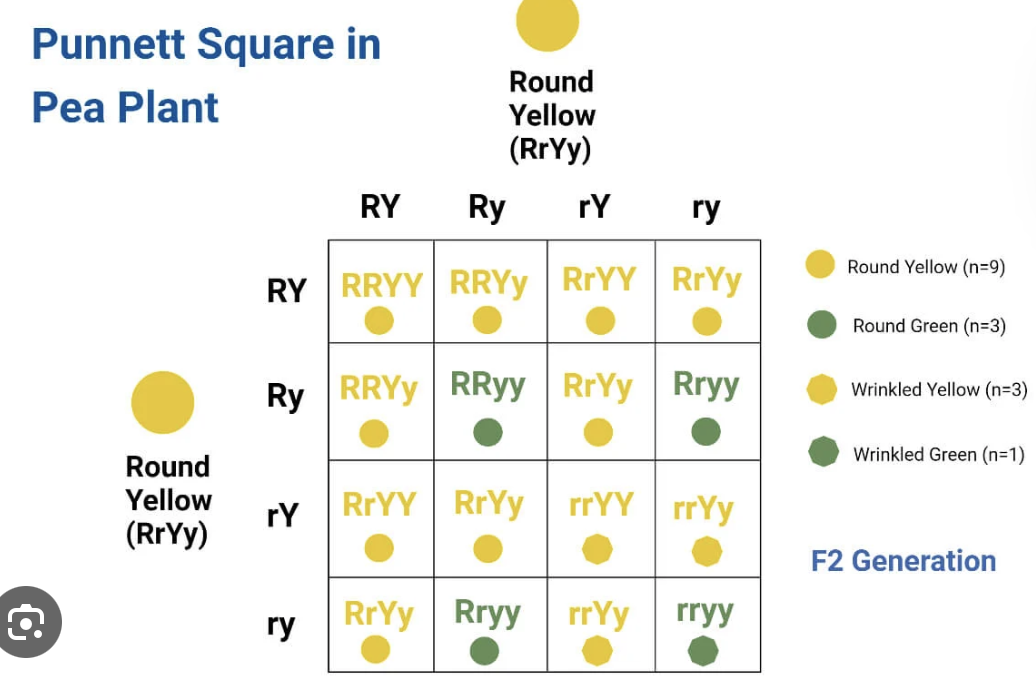
There is a specific look a Year 10 student gets when they first encounter a Punnett Square: a mix of mathematical intrigue and biological bewilderment. In a recent tutoring session, we moved past the rote memorization of the “GCSE” or “Year 10” syllabus and dove into the “why” behind inheritance.
One of the greatest challenges in teaching Biology is the scale. We are asking students to visualize molecules—DNA, genes, and chromosomes—that they cannot see with the naked eye. To bridge this gap, I find that moving away from the textbook and toward the analogy of the “Architect’s Library” is a game-changer. I explain that the nucleus is the library, the chromosomes are the massive books, and the genes are the specific sentences that give instructions on how to build “You.”
During the session, we reflected on the concept of Alleles. The student struggled with why a “recessive” trait would just disappear in one generation only to pop up in the next. We treated it like a “battle of the volume knobs.” A dominant allele is a loud, booming voice; the recessive allele is a whisper. The whisper is still there (the genotype), but you can only hear it if the loud voice leaves the room (homozygous recessive).
This reflection reminds me that tutoring isn’t just about relaying facts; it’s about translation. By the end of the hour, the student wasn’t just filling out squares; they were predicting the eye colors of imaginary offspring with genuine excitement. For any Year 10 student, Biology shouldn’t feel like a list of Latin terms—it should feel like they are finally being handed the instruction manual for life itself. Whether we are discussing Mendelian genetics or the ethics of CRISPR, the goal remains the same: making the microscopic world feel monumental.
anthea preketes