

When working with students, I’ve learned that the tools we choose can shape how effectively a child understands and learns. They can be a valuable tool not only to maintain focus and interest but also to help absorb difficult concepts.
Particularly for students with learning challenges, such as dyslexia, traditional pen-and-paper tasks can quickly become overwhelming, even when they understand the content. Hands-on, practical resources that reduce pressure and build confidence often address these issues.
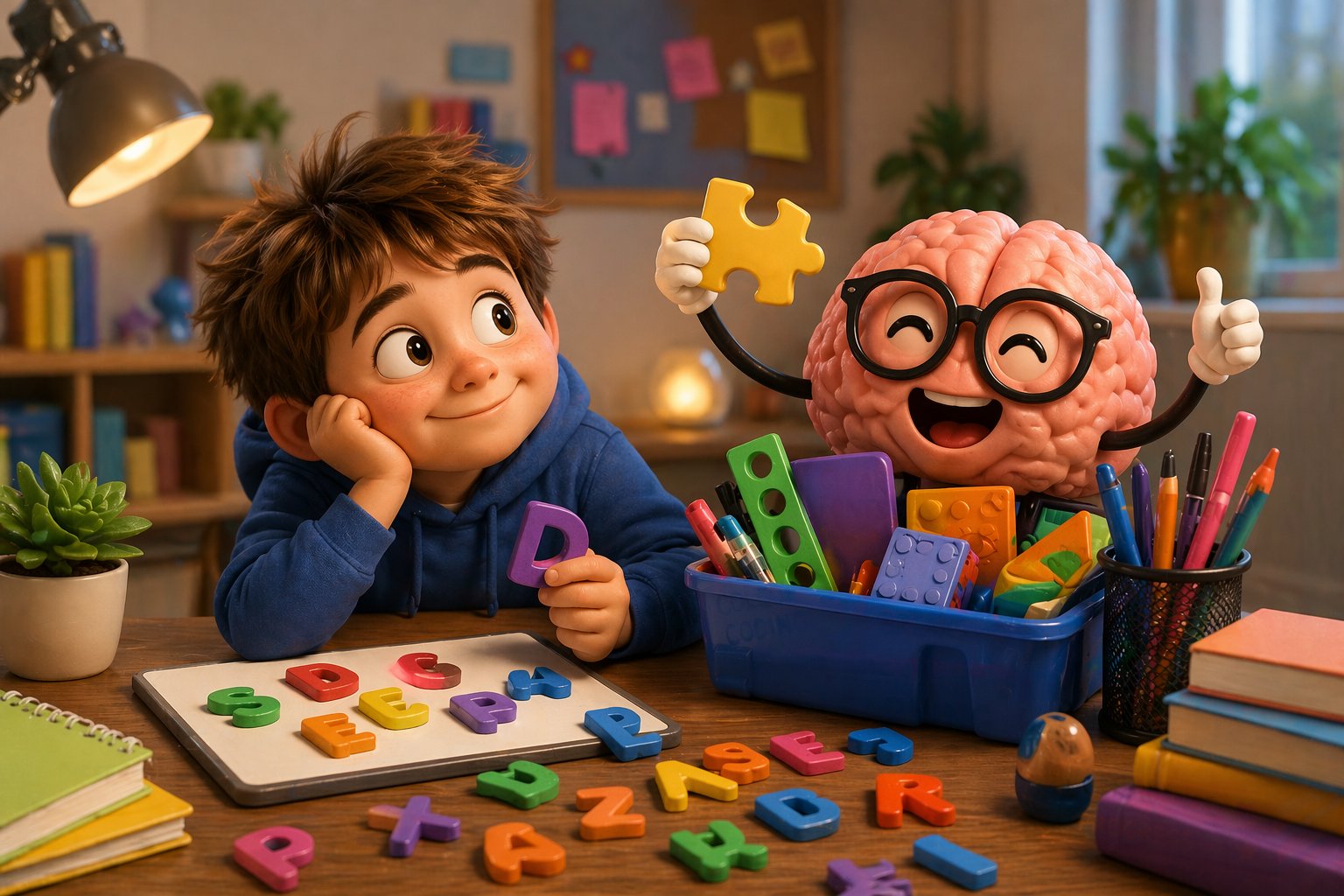
For example, one effective tool can be the use of practical objects such as physical magnetic letters. Magnetic letters give students a way to physically engage with words, which is especially important for dyslexic learners. Instead of trying to juggle sounds, spelling patterns, and letter order all in their head, they can move letters around and actually see how words are formed. This makes a big difference. It turns something abstract into something visual, concrete and manageable.
Difficult words, with trickier rules, can become easier to learn and memorise through creation. Helping students recognise patterns and build their confidence with phonics in a way that feels achievable. As the letters can be easily moved, there’s less fear of making mistakes. Students are more willing to try, adjust, and try again. Another reason magnetic letters work so well is that they remove the physical demand of writing. For many students with dyslexia, writing can slow them down or distract them from the learning focus. By taking that pressure away, they can concentrate on sounds, structure, and meaning instead. Another bonus? Most kids think it’s a game, so they’re happily learning without even realising it.
It’s important to understand how students learn and what works best for them. Giving them tasks they can actively interact with confidently. Tools such as magnetic letters might seem simple, but when used, they create a supportive, flexible learning environment where real progress can happen.
Vicki Synesios