
First Education

How to Beat Burnout Leading up to Exams

Post Image

Burnout is a common challenge for students managing a busy study schedule, especially during high-pressure assessment periods. It occurs when mental, emotional, and physical exhaustion sets in, often caused by long periods of intense work without sufficient rest or balance. While hard work is essential for academic success, pushing too hard without breaks can lead to a decline in motivation, productivity, and overall wellbeing. The good news is that burnout is preventable if students adopt simple, sustainable habits that equally prioritise academic progress and mental health.

One of the most effective ways to prevent burnout is to create a balanced study schedule. Rather than cramming for hours on end, students should use the “Pomodoro Technique” or similar time management methods. This involves working in short, focused bursts (like 25- or 50-minute intervals) with regular 5-10 minute breaks. These breaks give the brain a chance to reset, reducing cognitive fatigue. Longer breaks should also be incorporated throughout the week to allow for relaxation, hobbies, and social activities, all of which help maintain mental wellbeing.

Another critical factor in preventing burnout is setting realistic goals. Students often overwhelm themselves with excessive to-do lists or unattainable expectations. Instead, they should break large tasks into smaller, manageable milestones. Achieving smaller goals provides a sense of accomplishment, which can keep motivation high. It’s also crucial to recognise the value of rest and sleep. Many students sacrifice sleep to “get more done,” but this is counterproductive. A well-rested brain processes information more effectively, leading to better performance in exams and assignments.

Lastly, students should be encouraged to seek support when needed. Talking to teachers, tutors, or family members can provide emotional relief and practical strategies for managing workload. If feelings of burnout persist, speaking with a school counsellor or mental health professional is wise. By balancing study with rest, setting achievable goals, and asking for help, students can stay on track while protecting their wellbeing. Beating burnout isn’t about working harder—it’s about working smarter, listening to your body, and making self-care a priority.

Freddie Le Vay

Observation

Post Image

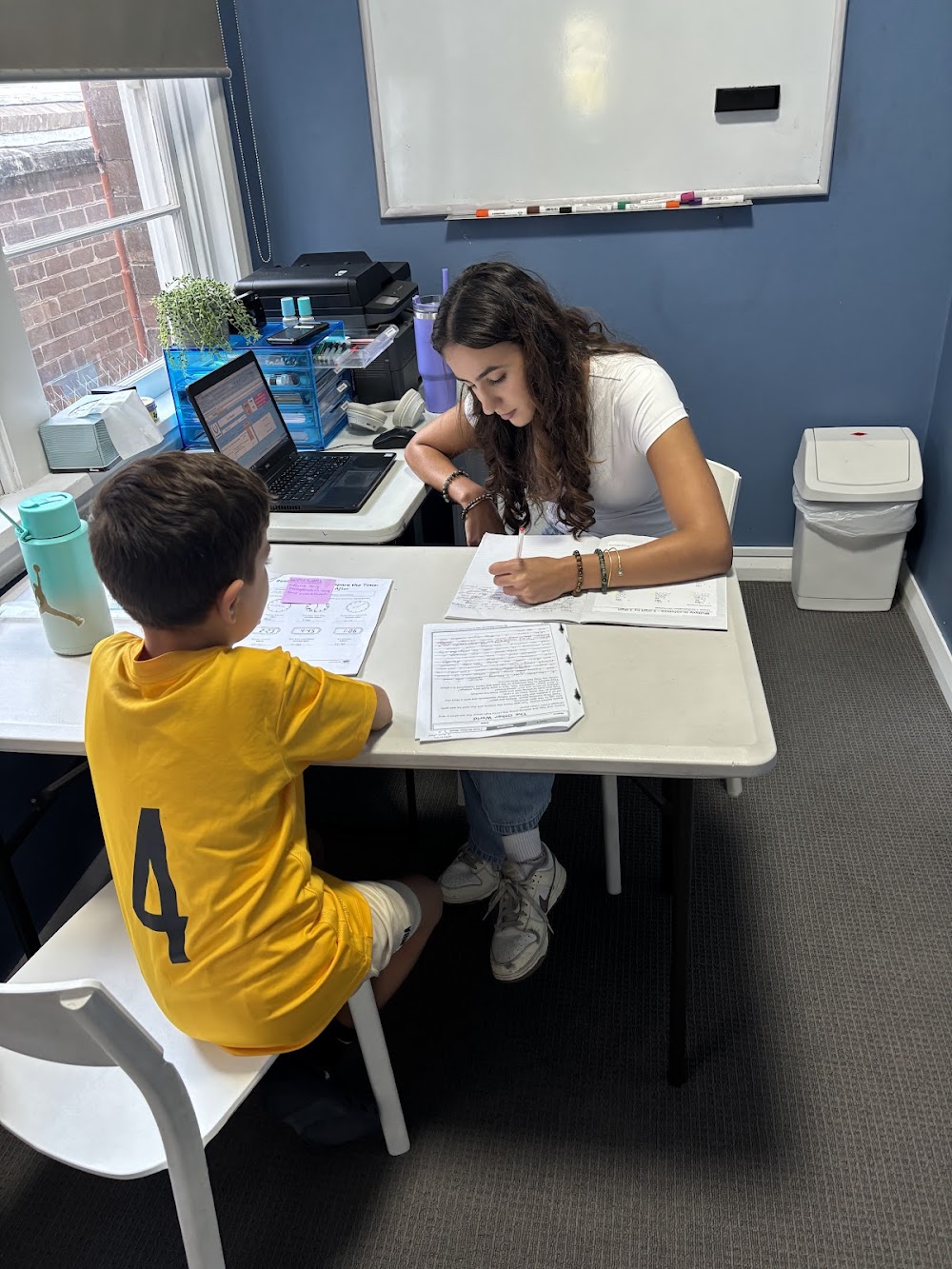
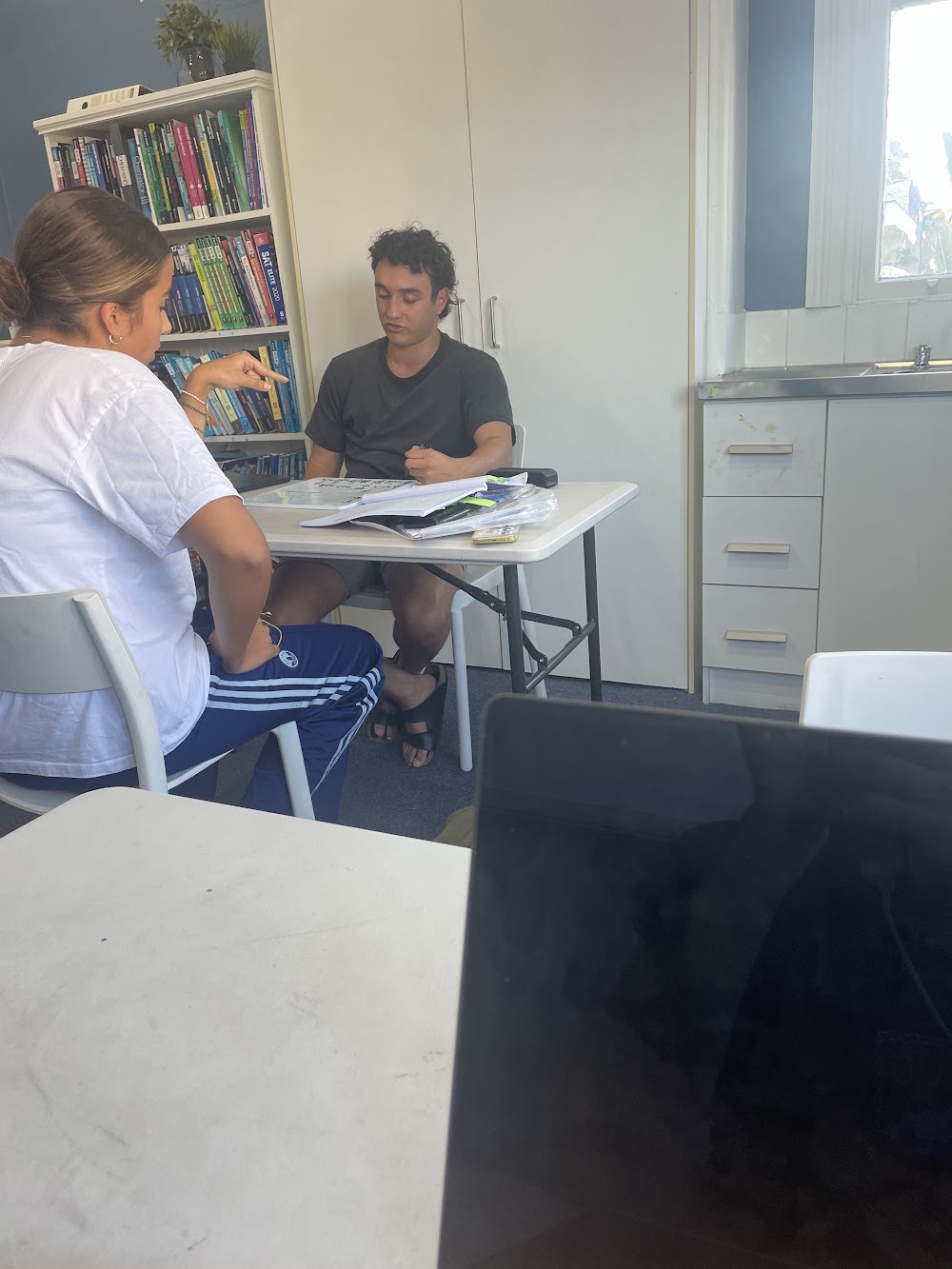
Today I had the opportunity to observe Elise tutor her Primary Math student.

Elise began her lesson by checking in with her student to see the progress she made with her homework and to see what she was up to in school. Upon checking her students homework, Elise began to test her students knowledge and memory of times tables. From this, Elise gathered that more help was needed in revising her times tables, so the lesson was centred around multiplication and division. To keep her student engaged, Elise provided her student with an array of questions which she had prepared earlier for her student. While her student completed these, Elise paid close attention to her student’s ability to solve these questions set. By checking in with her student constantly and reading her body language ensured that the time was used efficiently as the student did not become bored or uninterested throughout the lesson. Elise was very calm and patient with her student and I admire the way she was able to reassure and encourage her student despite the many doubts and attempts to look over previous notes. As a result, her student gradually gained the confidence to solve questions independently and under timed conditions.

Overall, I really enjoyed watching Elise’s lesson and will be sure to incorporate some of her teaching methods into my own sessions.

Thank you for letting me observe you!!

Marina Nouris

Importance of giving homework

Post Image

Homework plays a crucial role in the learning process by reinforcing concepts taught in the classroom, fostering independent learning, and developing essential life skills. Assigning homework ensures that students engage with the material beyond school hours, allowing for deeper understanding and retention. It provides an opportunity to consolidate classroom learning, practice skills, and apply knowledge in various contexts.

One of the primary benefits of homework is that it encourages students to develop independent study habits and time management skills. By completing assignments on their own, students learn to take responsibility for their learning, set priorities, and manage deadlines—skills that are vital for future academic and professional success. Additionally, homework helps identify areas where students may be struggling, providing valuable feedback to teachers who can then tailor their instruction to address knowledge gaps.

Homework also strengthens the connection between school and home, allowing parents to be involved in their child’s education. It creates opportunities for parents to understand what their children are learning and support their progress. Furthermore, completing assignments outside the classroom helps students develop perseverance and self-discipline, as they must overcome distractions and tackle challenges independently.

When designed effectively, homework fosters a sense of achievement and encourages a growth mindset. Tasks that are engaging, purposeful, and appropriately challenging allow students to experience success, boosting confidence in their abilities. It also promotes critical thinking, problem-solving, and creativity, as students are often required to apply learned concepts to real-life situations.

However, homework must strike a balance—it should not overwhelm students but instead serve as a meaningful tool for learning and growth. Thoughtfully assigned homework reinforces the importance of lifelong learning, helping students develop habits that prepare them for academic success and beyond.

Shyla Gloster

Observation

Post Image

Today I observed Chloe’s session with Tara, which focused on answering word problems on best-buy questions, rates and ratios. I noticed quite a few great things Chloe did in the session, and the student was comfortable and engaged throughout – not shying away when she needed help and was confident in pointing out what she was struggling with. They took on more challenging questions, going beyond the minimum to ensure she had the best understanding of ratios and wouldn’t be surprised in future tests which often consist of these harder word problem-type questions. At one point, the student showed her frustration at the fact that she knew a different method from that the question was asking her to use – and wanted to use that one instead. Chloe however ensured that she learnt the required unitary method and could confidently work out the answer, while suggesting that in an exam she could use both methods and check if her answer was correct by doing that (a very helpful tip). Using the mini whiteboards, the student displayed to Chloe her full working out which made it easier to adjust certain steps that were wrong. Even better, instead of just reading out the answer to a question, Chloe would complete her own working out while her student did too. This meant that if the student got it wrong, Chloe could consult her own working and see immediately what step in the thinking process had not been done right. Chloe also emphasised the importance of reading word problems carefully, as students missing even just a few words could entirely change their working and miss out on marks. The tutor also continuously asked what her student felt her weaknesses were, and asked for detail in describing what it was in particular that she felt was preventing her from understanding some of the rates concepts. This allowed for Chloe to utilise the session time more efficiently by targeting these areas, so that by the end of the lesson Tara would have felt more assured and confident in her knowledge. Overall it was a wonderful lesson to observe, thank you Chloe. 🙂

Sofala Vogt

Observation

Post Image

In Natasya’s lesson, I saw how she tailored her approach to help the student improve their spelling. She started by having the student spell a few words aloud, which allowed her to quickly spot patterns in the mistakes, such as confusion between similar vowel sounds or added letters. Instead of just correcting the errors, Natasya encouraged the student to think about the logic behind the words and used mnemonic techniques to help them remember the correct spellings. Her patient and supportive style made the student feel comfortable and open to learning. Natasya also incorporated visual aids and interactive exercises, like writing the words in different colors and using them in sentences, which kept the lesson engaging. I learned that Natasya’s method is not just about teaching spelling rules; it’s about building the student’s confidence and helping them develop strategies for independent learning. Her creative approach showed me that learning doesn’t have to be about rote memorization, but can be more effective when it’s personalized and enjoyable. The lesson demonstrated how important it is to foster a positive and patient learning environment, where students feel supported and motivated to improve.

Nabil Harrar

Observation

Post Image

Today, I had the opportunity to observe Demi R’s lesson with her primary school math student. I was immediately impressed by her effective and engaging teaching techniques while guiding the student through the process of telling the time on an analog clock. Demi created a calm and supportive environment, ensuring the student felt comfortable and confident.

She began the lesson by explaining the basic components of the clock, such as the hour and minute hands, using clear, simple language that the student could easily understand. Demi also employed visual teaching techniques by drawing four large clocks on the whiteboard to demonstrate the four quarters of a clock. This helped the student visualize the relationship between the hands and the numbers on the clock face.

Demi adopted a hands-on approach, involving the student by asking them to draw the hands of the clock at different times. She also integrated technology into her lesson by using an online program featuring an interactive clock. This interactive method encouraged active learning, and the student responded positively, showing increased engagement and enthusiasm. Demi remained patient, giving the student time to think and respond while gently guiding them when necessary.

Throughout the lesson, Demi asked open-ended questions to check for understanding and encourage critical thinking. For example, she asked, “What happens to the hour hand when the minute hand moves from 12 to 6?” This question prompted the student to reflect on the movement of the clock hands and reinforced their understanding of time-telling concepts. Demi further engaged the student by using a real clock to test their understanding, moving the hands around for a more tactile and practical approach.

Demi’s use of positive reinforcement was another highlight of the lesson. When the student answered a question correctly or demonstrated improvement, Demi praised their efforts, boosting their confidence and motivation.

Overall, Demi’s lesson was a model of patience, clarity, and engagement. She tailored her approach to the student’s needs, ensuring the student not only understood how to tell the time but also felt encouraged and supported throughout the lesson.

Jenna Freed

Learning styles

Post Image

As tutors with students from diverse backgrounds, ages and, inherently, different learning styles. Using different tools to tailor to each student to make sure they get the most out of the lesson is. I think it is very important.

1. Visual Learners
Visual learners process information best through images, charts, and diagrams. For these students, clear visual aids, like slides or infographics, can make complex concepts easier to grasp. Teachers can use tools such as mind maps to demonstrate relationships between ideas, ensuring lessons are visually engaging and organised.

2. Auditory Learners
Auditory learners thrive on spoken explanations and discussions. For these students, storytelling, podcasts, or verbal repetition are particularly effective. Having open discussions, n or question-and-answer sessions also allows them to process ideas through listening and verbalising.

3. Kinaesthetic Learners
Kinaesthetic learners learn by doing, making hands-on activities essential. By incorporating, to the extent possible role-playing, experiments, or physical models to make lessons more interactive. By pairing these activities with verbal instructions, kinaesthetic learners are able to stay engaged and absorb the material effectively.

4. Reading/Writing Learners
These students excel through text-based learning. Clear written instructions, extensive reading lists, and opportunities for written reflection or note-taking can help them thrive. Providing handouts, study guides, or online resources further supports this learning style.

5. Multimodal Learners
Some students benefit from a combination of these techniques. For multimodal learners, we should blend visual, auditory, and kinaesthetic methods within lessons to offer variety and reinforcement.

By understanding and adapting communication techniques to our individual students, not only will a more personalised and productive educational experience materialise, but we will be able to provide more impactful help, no matter the student and how long we have tutored them for.

Katherine Petsoglou

Observation

Post Image

I had to privilege of observing Briana and her student Ava. They spent the majority of their time working on English and there were many elements of this session that I plan to implement myself moving forward.

Firstly, Briana’s utilisation of multiple mediums. Her rotation between using the whiteboard, computer and hand writing proved to be quite effective in allowing her student to remain engaged while also managing to complete all assigned work. This is something unique that I believe would be beneficial for many of my own students in the future.

Additionally, remaining aware of her tone of voice throughout the lesson was a critical element, fostering the comfortable and productive environment. This allowed for a positive tutor-student relationship to be maintained.

Finally, allowing Ava to attempt the work herself prior to giving her feedback was a very useful strategy as it allowed for the most in-depth correction while also highlighting the areas needing improvement to the student herself.

Katerina Vrahnos

Connecting With younger students

Post Image

Connecting with younger students can at times be challenging especially in a tutor/student dynamic. Younger students however need to be able to connect with their tutor for a multitude of reasons. This connection can help students truely engage within the session allowing them to learn more efficiently. Teaching isn’t simply about teaching. Teaching is about understanding who your student is and what they need in order to learn effectively.

The first way I like to connect with my students is to show genuine interest in their lives outside of learning. I ask my students about their hobbies, interests, and daily routines. Showing that you care about the student beyond academic content can help build trust and make the student more comfortable with you. This is vital in forming a connection with your student.

Creating a positive and friendly environment within the session can also help to form a bond with a student. By avoiding a strictly formal demeanour can help the student especially younger ones from feeling intimidated. Beginning tutoring and can already be nerve racking enough for younger students.

By fostering a supportive and engaging environment, you’ll build a strong relationship with younger students, helping them feel more confident and capable in their studies.

Olivia Moustakis

Observation

Post Image

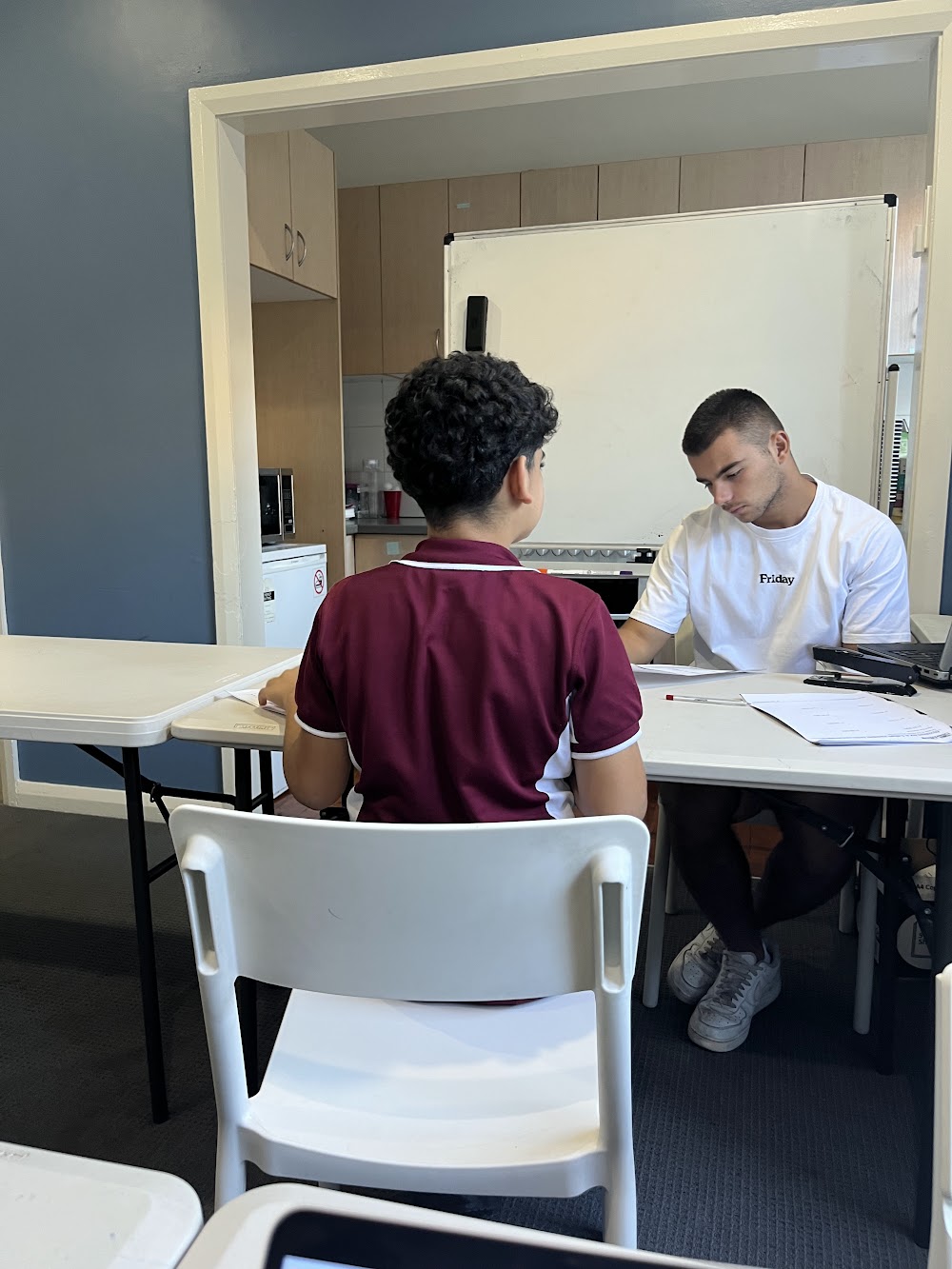
I got the opportunity to observe Olga and her student Marcus. Working efficiently throughout the session, 3 things stood out to me that I will remember and utilise moving forward.

They worked on a variety of content, working strictly while also taking multiple short breaks to keep productive and maintain focus throughout the session. This balance was very effective in ensuring Marcus was consistently giving his best effort while also not losing motivation or getting bored.

Additionally, Olga’s personal interest in her student and his progression was lovely to see. Her consistent reassurance and advice, whether that be specifically related to the content at hand or a broader concept that has been learned throughout the year. All of which fosters an environment of growth and development.

Finally, Olga’s use of time management. Specifically, the stable structure of the lesson. She always made sure to leave enough time for the student to finish the work provided while also allowing enough time to allocate sufficient homework.

Katerina Vrahnos