

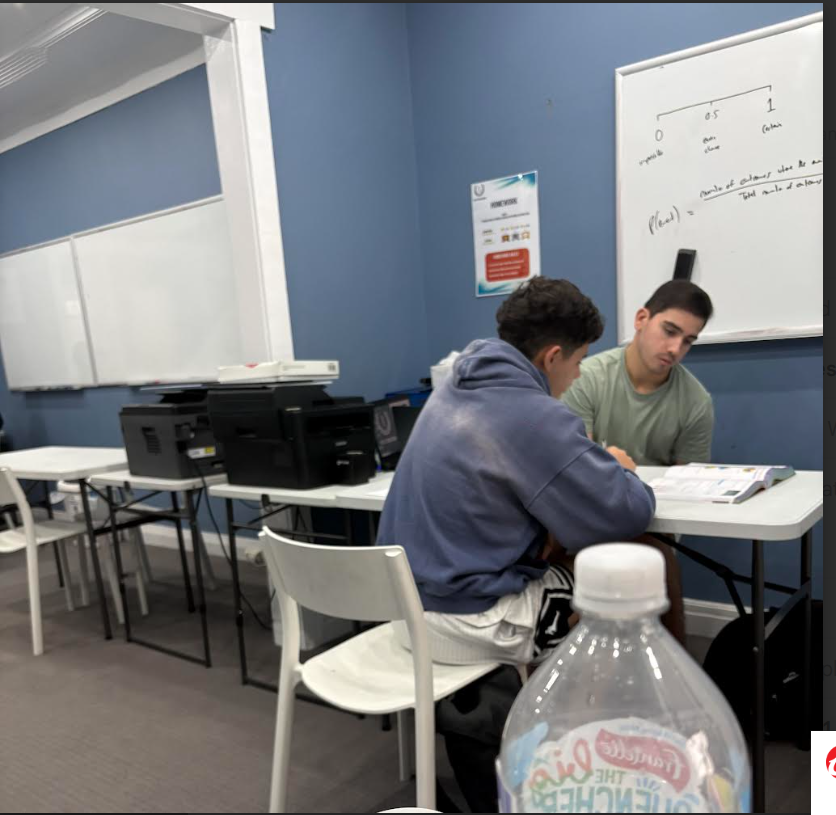
I observed a maths lesson focused on probability, where the tutor demonstrated a clear and structured approach to teaching a complex topic. The lesson began with a brief review of foundational concepts, such as basic probability rules and terminology, ensuring that their student had completed their homework. This helped reinforce prior knowledge and created a smooth transition into more advanced material. The tutor then introduced conditional probability and tree diagrams, using real-life examples to make the concepts more relatable. For instance, scenarios involving selecting items or predicting outcomes were used to illustrate how probabilities can change based on given conditions. This practical approach appeared to engage the student and encouraged him to think critically about the problems.
Throughout the lesson, the tutor asked questions and prompted their student to explain their reasoning. This not only checked for understanding but also allowed him to actively participate rather than passively receive information. When the student struggled, the tutor provided step-by-step guidance, breaking down problems into manageable parts, which helped to build his confidence. Visual aids, such as diagrams drawn on the board, were effectively used to support explanations, particularly when demonstrating tree diagrams and probability pathways. The tutor also incorporated short practice questions from the textbook during the lesson, giving the student the opportunity to apply what they had just learned. Immediate feedback was provided, allowing misconceptions to be addressed promptly. Overall, the lesson was well-paced and thoughtfully structured, balancing explanation, interaction, and practice. The tutor created a supportive learning environment where his student felt comfortable asking questions, and the focus on real-world applications helped make probability more understandable and engaging.
Evanthea Kargas