

A study strategy I consistently use with my students is active recall combined making sure I promote repetition, as it promotes deeper understanding and long-term retention.
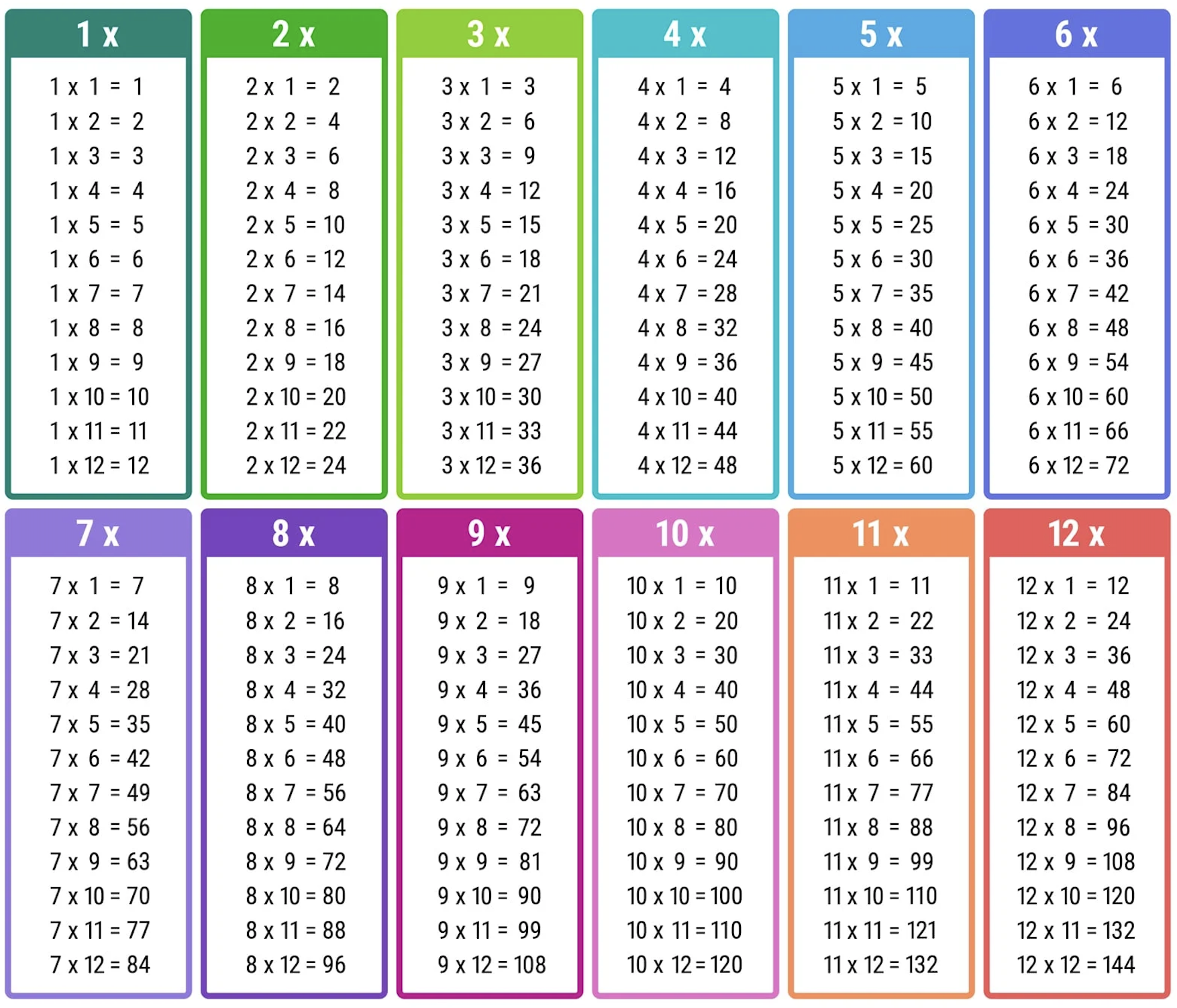
A clear example of how I use this strategy is when I was teaching my Year 5 student her times tables. I would start the session off with her writing down the answers. Then, instead of having her simply read or rewrite multiplication facts, I would use active recall by regularly testing her without notes. I would focus on a small batch of timestables and ask her quick-fire questions such as “What is 7 × 8?” and encourage her to answer from memory. If she struggled, we’d break the problem down together using patterns or strategies, and then I ask her again shortly after to reinforce the correct answer. This helps shift her learning from memorisation to true understanding.
I also incorporate spaced repetition by revisiting her times tables across multiple sessions. At the start of each lesson, I include a short review of the tables she previously found difficult. Over time, the intervals between reviews increase as her confidence improves. This ensures that she is not just remembering the answers temporarily, but retaining them in the long term.
Through this approach, I have seen significant improvement in both her speed and accuracy as well as her confidence. She is now more willing to attempt challenging questions without hesitation!
Annaliese Lakis