

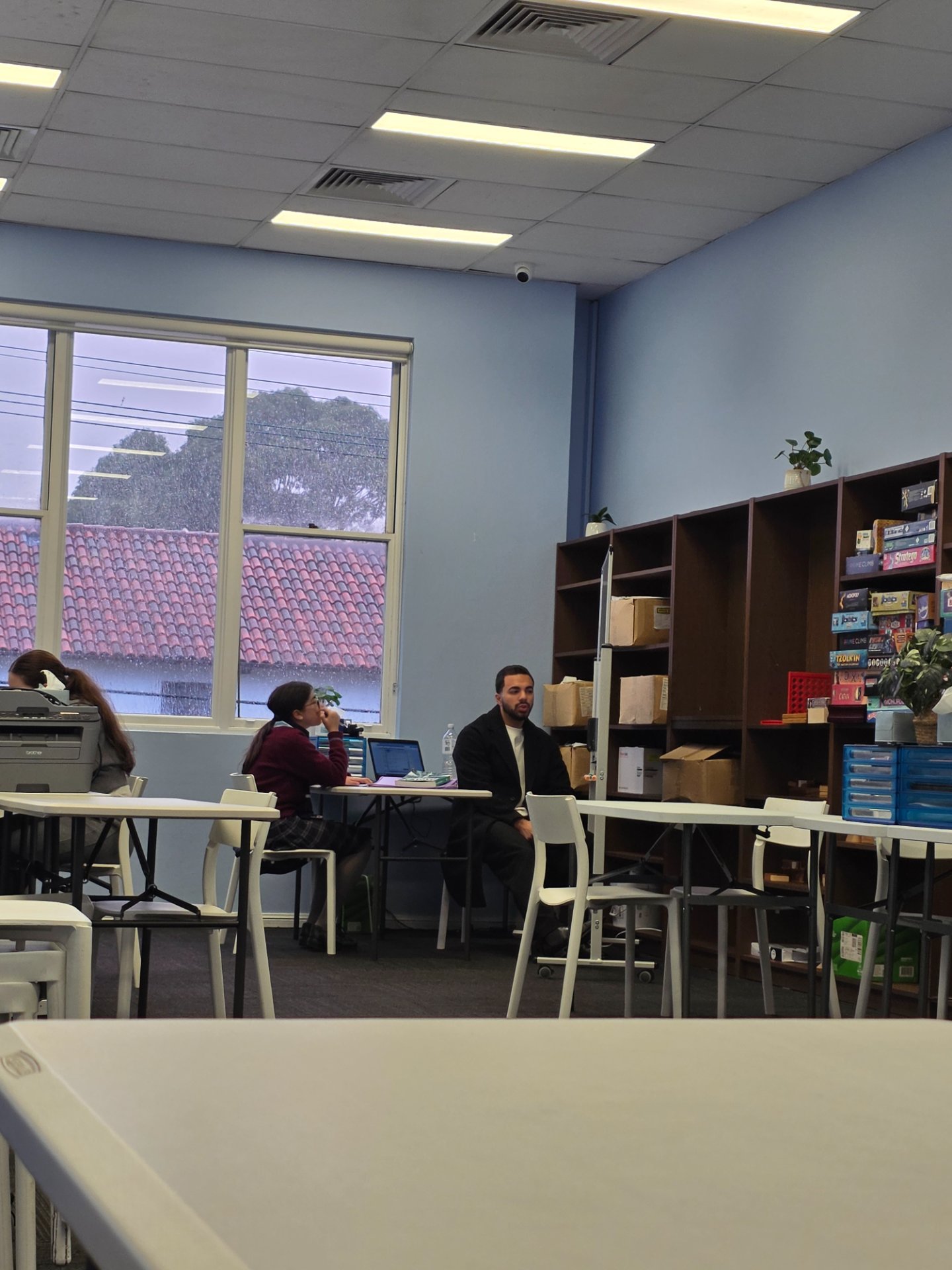
Watching Tom teach the addition and subtraction of fractions reminded me how important it is to slow down and make sure students understand the reason behind each step. Fractions can seem simple once you know the process, but for a student they can quickly become confusing, especially when the denominators are different.
What stood out was the way Thomas did not just tell the student to find a common denominator and move on. He guided them through why a common denominator is needed, and how it allows the fractions to be compared and combined properly. This made the lesson feel more meaningful because the student was not just copying a rule. They were being encouraged to understand what was actually happening.
I also noticed how effective it was when Thomas asked small questions throughout the lesson. Instead of giving away every answer, he gave the student space to think through the next step. This helped the student stay involved and made the lesson feel more like a conversation than a lecture. It also showed how important it is to check understanding as you go, rather than waiting until the end to see whether the student has followed everything. The lesson also reinforced the value of confidence-building in tutoring. When a student makes a small mistake with fractions, it can make them feel like they do not understand the topic at all. Thomas handled mistakes calmly and used them as part of the learning process. Overall, watching the lesson reminded me that effective tutoring is not about rushing through content. It is about patience, clear explanations and helping students feel confident enough to try.
Nabil Harrar