

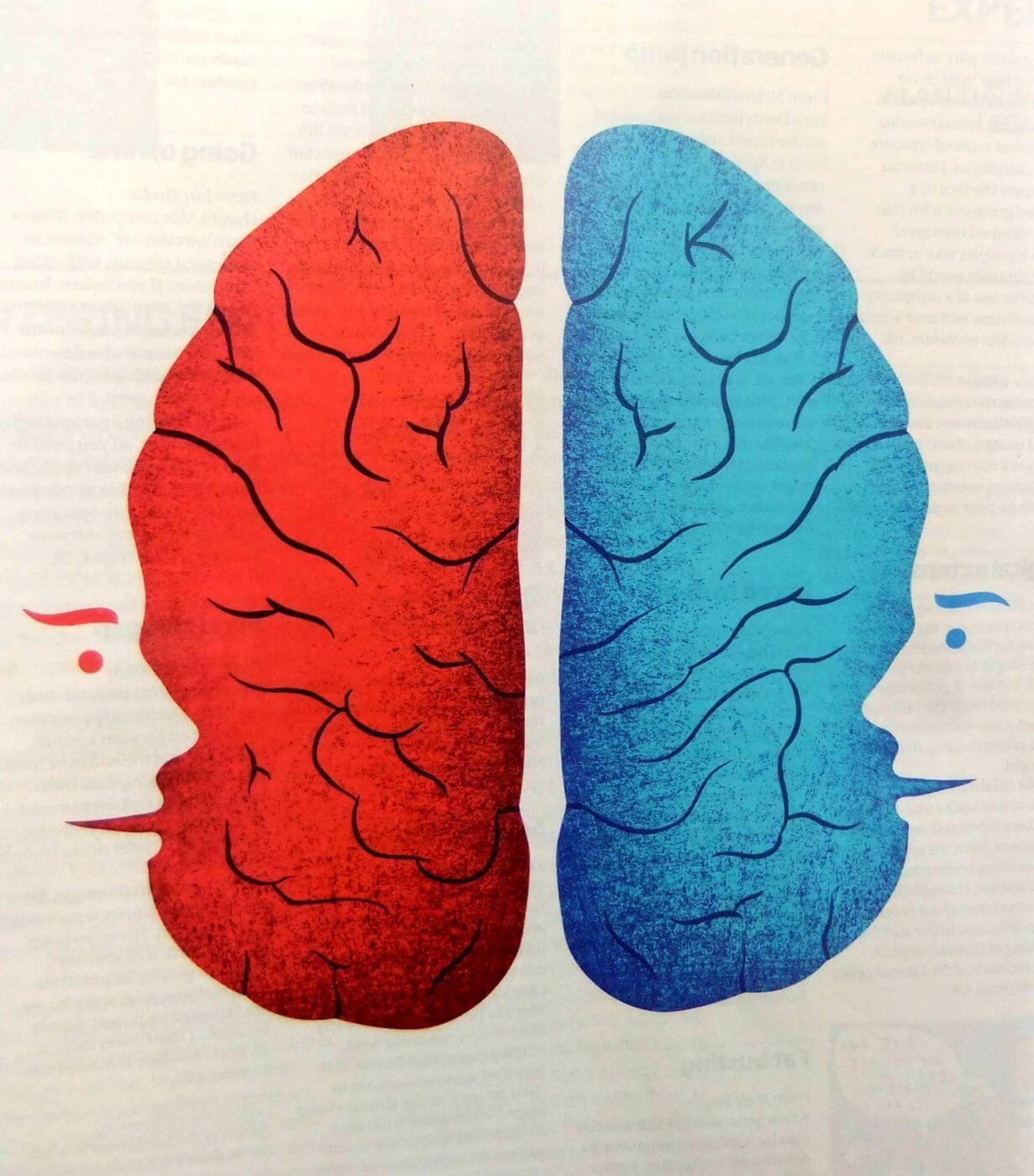
Education is often imagined as a straight road: lesson, homework, test, result. But tutoring reveals something far stranger. Learning is less like building a wall and more like exploring a maze where every student carries a different map.
One student may solve algebra perfectly but freeze when asked to explain their thinking. Another may write creative stories yet believe they are “bad at English” because of one poor grade years ago. Tutoring exposes the hidden psychology behind education: knowledge is emotional as much as intellectual.
An interesting paradox exists in modern education. Schools measure answers, but tutors often teach confidence. The greatest breakthroughs rarely happen when a student suddenly understands content. They happen when a student realises they are capable of understanding. That shift changes everything.
Tutoring also reveals how differently humans experience time. In classrooms, learning moves collectively. In tutoring, time stretches and contracts. A concept explained in thirty seconds can unlock months of confusion, while a simple question like “Why do we do it this way?” can spark a twenty-minute philosophical discussion. Education becomes less mechanical and more human.
There is also an abstract beauty in watching knowledge transfer between people. A tutor is not simply delivering information like a machine. They are translating ideas into the language of another mind. Sometimes that language is humour, diagrams, stories, or even silence. Good teaching is adaptation.
Perhaps this is why tutoring feels so personal. It sits at the intersection of psychology, communication, patience, and trust. Beneath every worksheet is a student trying to make sense not only of equations or essays, but of themselves.
In that way, education is not really about producing perfect students. It is about slowly teaching people that confusion is temporary, curiosity is valuable, and growth is possible.
Nicholas Michailou