

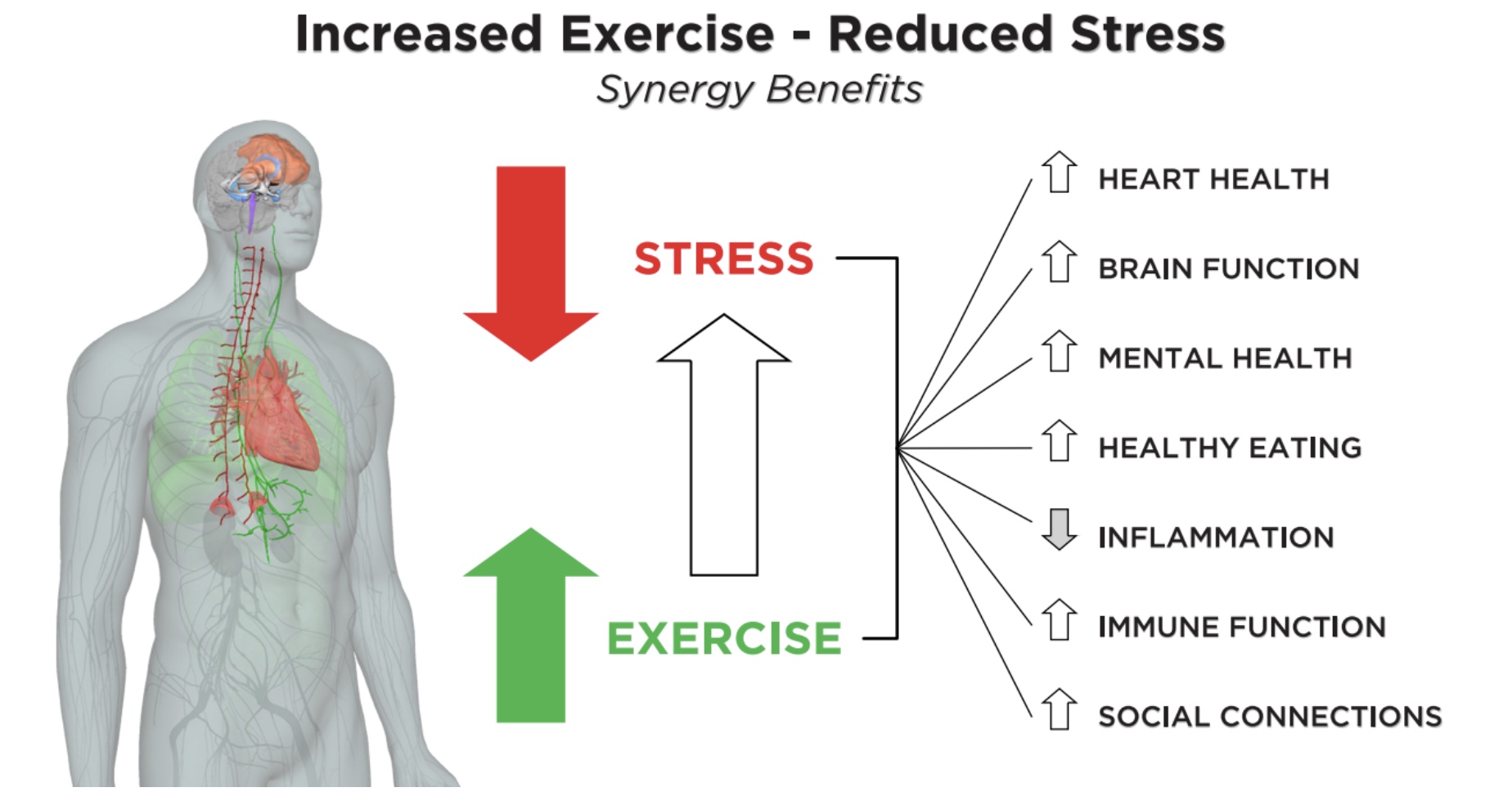
The academic demands of the HSC places adolescents under sustained physiological and psychological pressure, often leading to elevated anxiety. During assessment blocks, students commonly show an increase in cortisol, the body’s main stress hormone, alongside faster resting heart rate and heightened sympathetic nervous system activity shifting the body into ‘flight-or-fight mode’. These physiological changes can disrupt sleep, intensity emotional reactivity and reduce the ability to concentrate for long periods, factors that directly affect exam preparation.
As workload and academic pressure increases, exercise is typically one of the first routines to decline. Most students already begin year 12 with limited movement levels, as only 11% Australians adolescents aged 15-17 meet physical activity guidelines, meaning further reductions during exam periods only amplify the body’s stress response. With lower movement associated with anxiety, poorer sleep, and greater physiological tension. In contrast, adolescents who maintain regular movement show more stable emotional and physiological responses during high-pressure academic periods. Studies involving students under school-related stress have shown that those engaging in consistent exercise report lower daily anxiety and more reliable performance on tasks involving memory and attention. Further, Aerobic exercise has been shown to reduce cortisol within 30-45 minutes of completion, contributing to a calmer physiological state during subsequent study periods This highlights the critical role of exercise in managing anxiety during exams. Maintaining regular exercise during these stressful times helps to offset the physiological stress rather than adding to it.
Daniella Antoun