

First Education

How to Help Students Who are Afraid of Faliure

Post Image

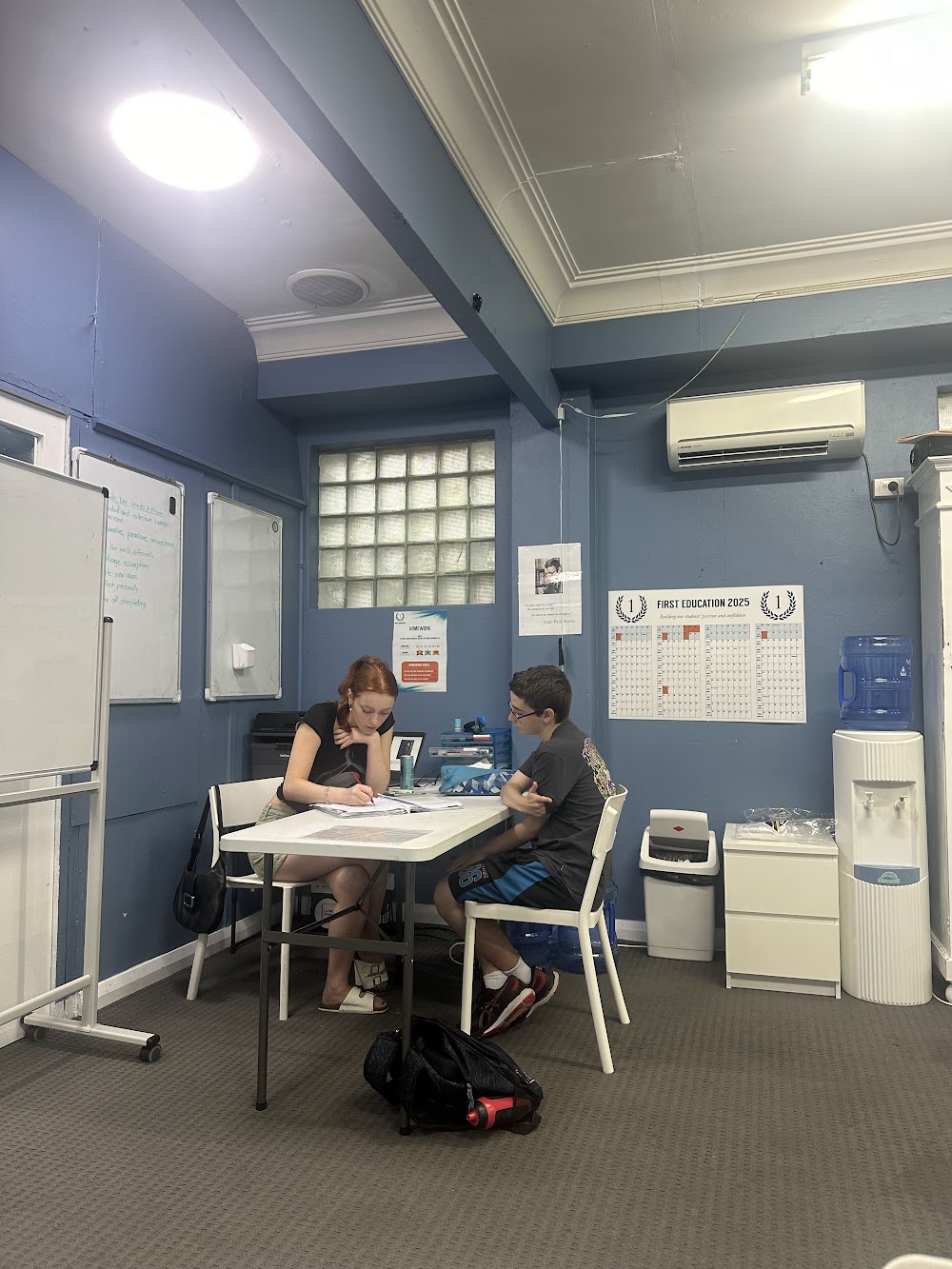
Fear of failure is a common challenge for students. It can prevent them from taking academic risks, hinder their ability to problem-solve, and even cause anxiety. As a tutor, your role is to create an environment where students feel safe to make mistakes and see them as opportunities to learn. One effective way to do this is by normalising mistakes as a natural part of the learning process. Many students believe that mistakes signal weakness, but in reality, they are proof of growth. Tutors can reinforce this idea by using encouraging language such as, “This is tricky, but you’re closer than you were before,” or, “Every mistake gets us closer to the answer.” By framing mistakes as valuable learning experiences, students begin to shift their perspective from fear to curiosity.

Another key approach is to set achievable goals. When students are faced with large, overwhelming objectives, they often feel paralysed by the fear of not meeting them. Tutors can help by breaking down larger tasks into smaller, more manageable milestones. Celebrating these small wins helps to build confidence and reduces the pressure of “all-or-nothing” thinking. As students achieve smaller goals, they develop a sense of accomplishment, which motivates them to keep pushing forward.

Focusing on effort over results is another essential strategy. Students often fixate on “getting it right” and may avoid trying if they think they will fail. Instead of focusing solely on correctness, tutors should emphasise persistence and strategy. Praising effort with phrases like, “I’m proud of how you kept trying different methods until you found a solution,” shows students that progress is about the process, not just the result. This shift builds a growth mindset, encouraging students to view effort as a valuable part of success.

Finally, teaching self-reflection is a powerful tool in overcoming fear of failure. After each task, tutors can encourage students to reflect on what went well and what could be improved. This approach moves the focus away from failure and toward growth. Over time, students realise that “failure” is temporary and serves as a useful stepping stone to improvement. By adopting these strategies, tutors help students develop confidence, build resilience, and approach challenges with a more positive mindset.

Freddie Le Vay
Observation

Post Image

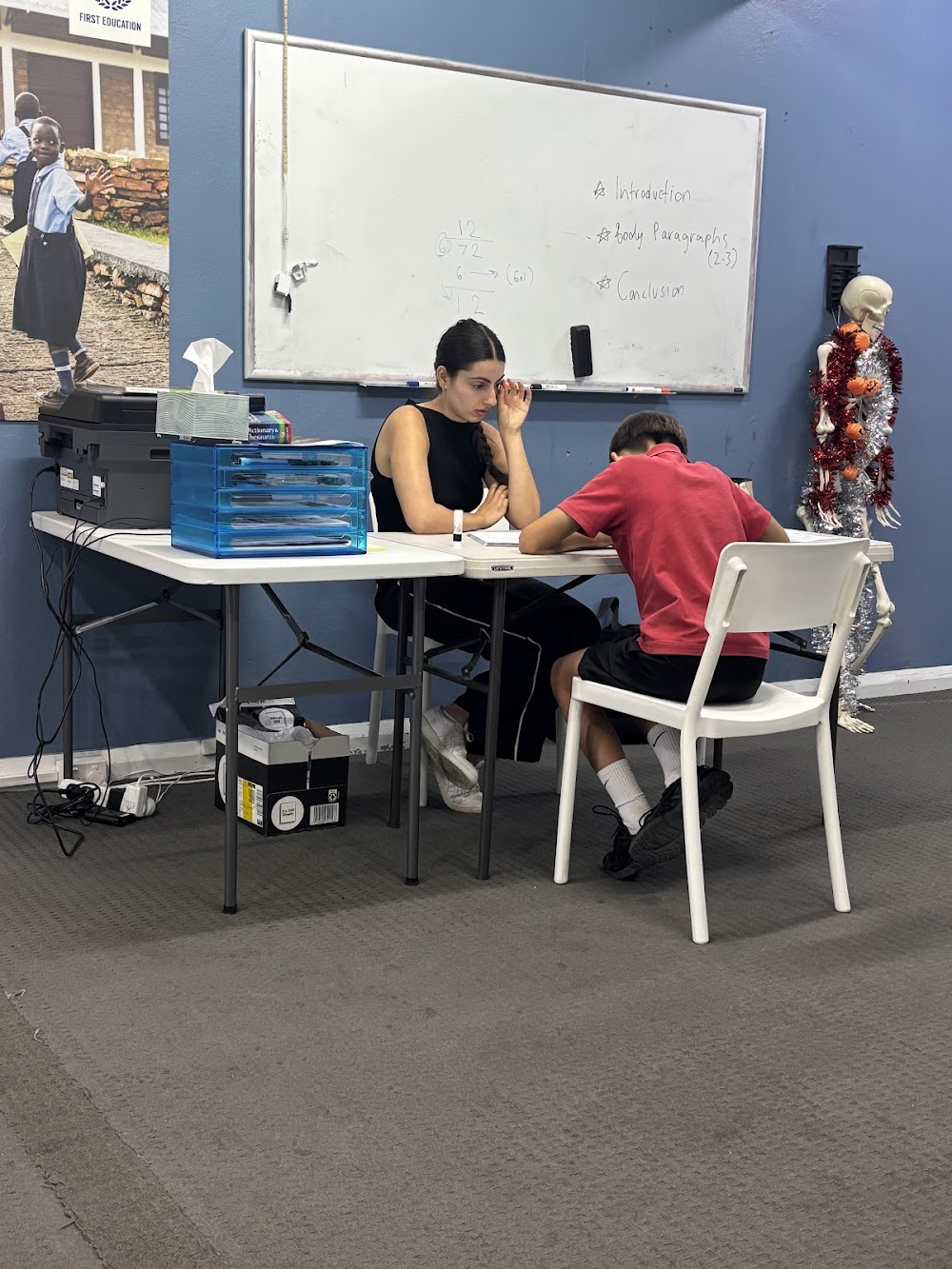
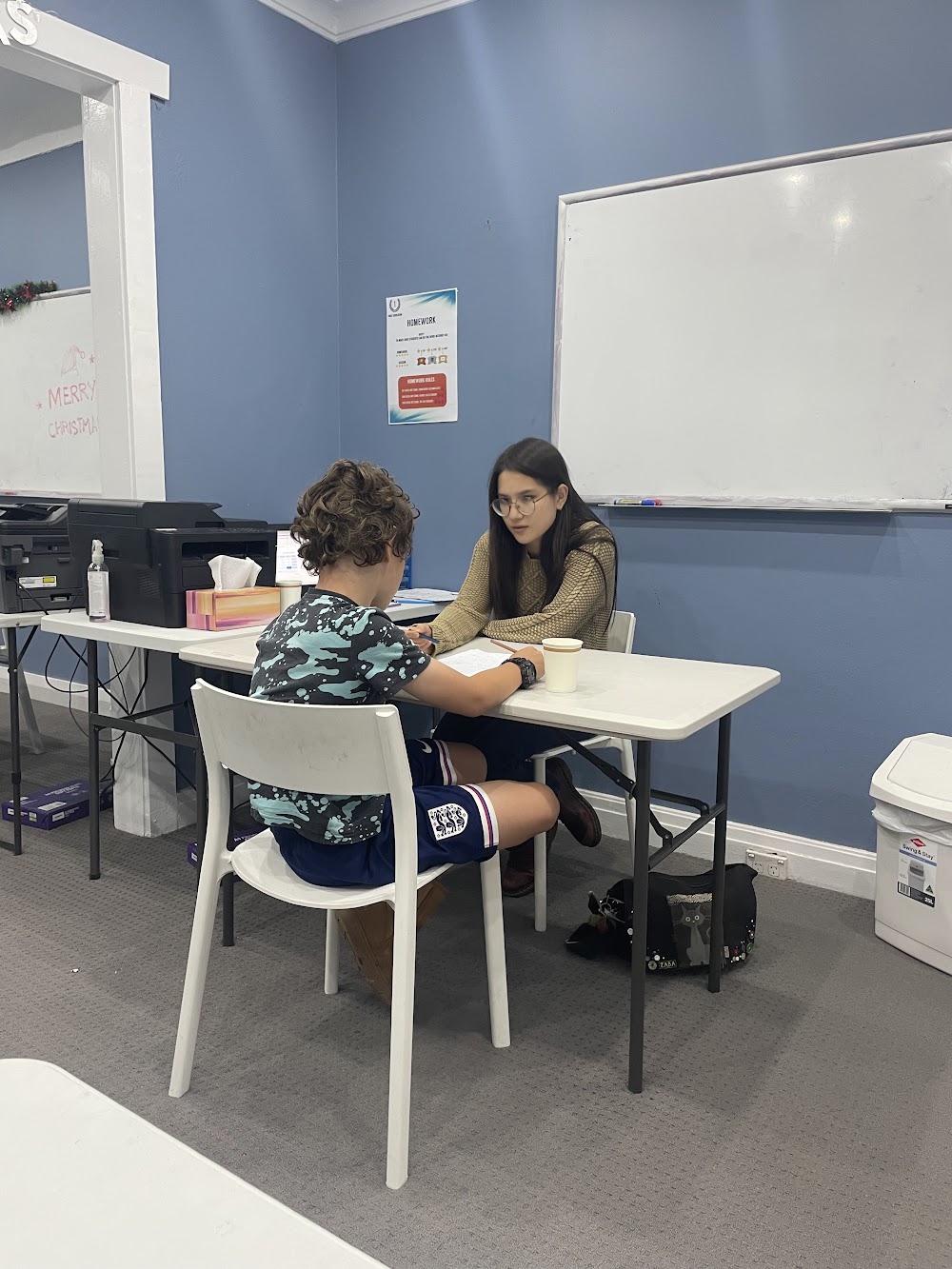
Today, I completed an observation of Mica’s Year 5 English session from 6-7pm, where she worked closely with her student on expanding sentences and engaging with reading tasks relevant to their skill level and ability. The session was highly effective, blending interactive strategies to enhance the student’s confidence in English. Mica’s dynamic and tailored approach ensured that the student remained engaged and focused throughout the session, making significant progress in key areas of writing.

Mica began by introducing sentence expansion exercises, guiding the student to add descriptive details and extend simple sentences into more complex ones. She demonstrated how to use adjectives, adverbs, and conjunctions to create broader, more detailed sentences. Through this activity, she helped the student see how expanding sentences adds depth and clarity to their writing, both analytically and creatively.

Mica also encouraged the student to think critically about word choice, helping them to expand their vocabulary by defining key words they encountered during the exercise. As the student worked through these tasks, she introduced new adjectives and phrases, breaking them down into simpler terms to ensure understanding. When the student stumbled over spelling or struggled to find the right words, Mica offered thoughtful clues to help them, enabling the student to find their own correct answers in an independent way. This approach not only improved their spelling but also made the student feel accomplished and confident.

The session also incorporated reading tasks that were aligned with the student’s reading level. Mica selected texts that were engaging and age-appropriate, to minimise the student from becoming distracted by texts which they didn’t enjoy. She asked him questions when he felt unsure. This not only improved comprehension but also demonstrated how vocabulary and sentence structure from the text could be applied in the student’s writing.

Throughout the session, Mica’s enthusiasm and patience stood out. By the end of the hour, the student had gained practical tools for writing more detailed sentences, a broader vocabulary, and a deeper understanding of how to approach reading tasks with depth.

Mica’s ability to foster a supportive teaching style made this session both enjoyable and informative for the student. It was inspiring to see her motivate her student to embrace learning with enthusiasm when it comes to English.

Eleni Nicholas

Observation

Post Image

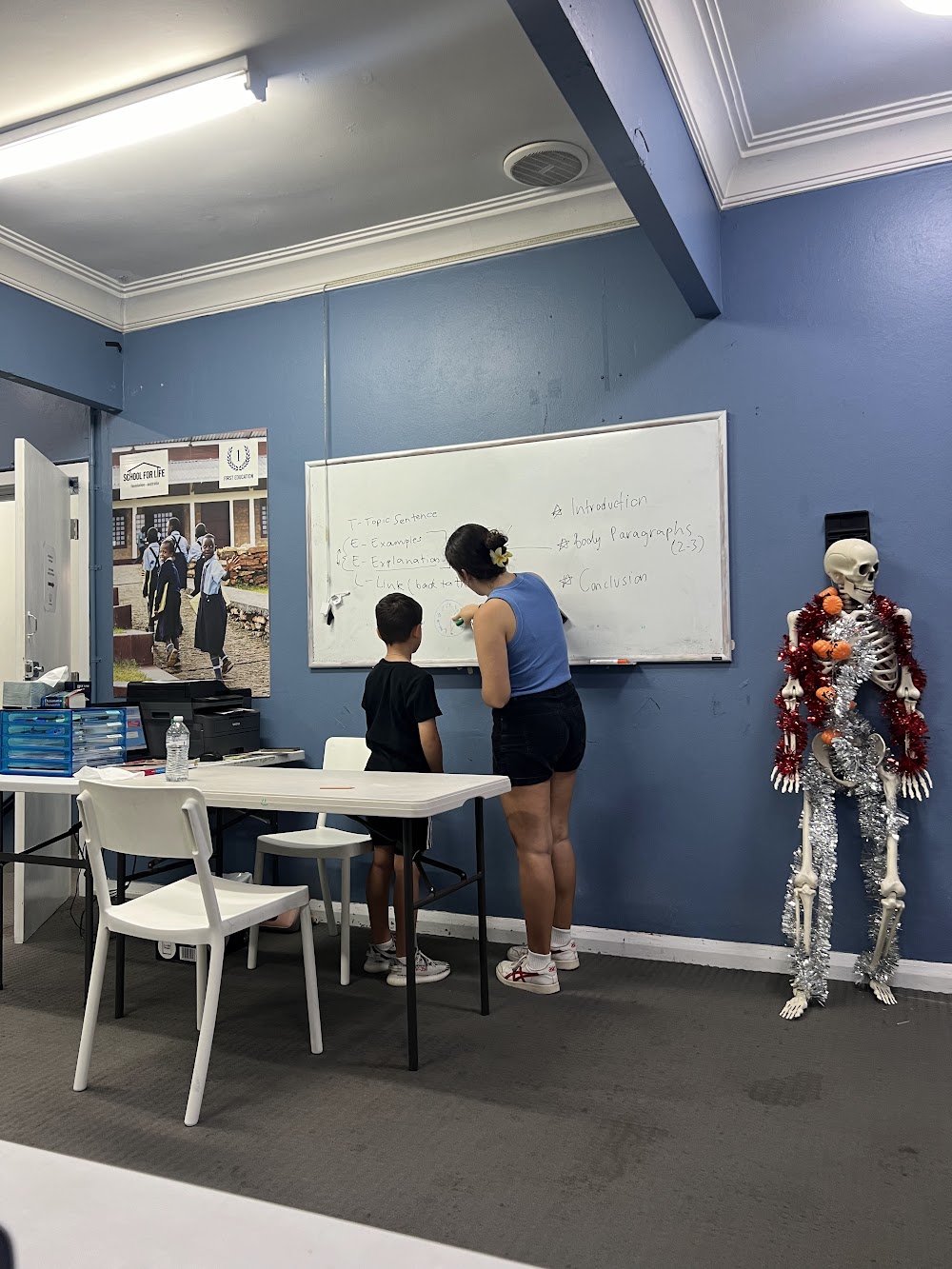
Today, I observed Demi working with Aiden, a Year 12 student, on the HSC module Texts and Human Experiences. The session focused on text analysis and answering questions using the TEEL structure, offering valuable insights into structuring effective tutoring sessions for senior students.

Demi began by guiding Aiden through an analysis of the text, ensuring he could identify key themes, techniques, and ideas relevant to the module. Her questions encouraged Aiden to think critically about the text and its connection to human experiences, fostering deeper engagement with the material. This collaborative approach laid a solid foundation for planning a coherent and structured response.

Together, they planned the response to a practice question, mapping out ideas within the TEEL framework. Demi emphasised the importance of balancing textual evidence with insightful analysis, helping Aiden see how each paragraph could logically build on the previous one. Her step-by-step guidance demystified the writing process and boosted Aiden’s confidence as he transitioned to writing independently.

After Aiden completed his response, Demi ensured there was time for interactive feedback. They reviewed his answer together, discussing strengths and areas for improvement. Demi’s feedback was clear and constructive, highlighting what Aiden had done well while providing actionable advice for refining his argument, improving clarity, and strengthening textual evidence.

What stood out was Demi’s ability to make the session collaborative and interactive. By involving Aiden in every step, from analysis to planning to reflection, she empowered him to take ownership of his learning while still offering expert guidance.

This session highlighted the importance of combining collaborative planning, independent practice, and reflective feedback. Demi’s approach effectively balanced structure with autonomy, a strategy I hope to emulate in my own tutoring sessions.

Demetria Koutavas

Traditional vs Online Tutoring

Post Image

Tutoring has changed significantly over the years, with technology reshaping how tutors and students connect. Traditional face-to-face tutoring remains popular, but online tutoring has grown rapidly due to its flexibility. Each method has strengths and challenges, and choosing the right fit depends on the student’s needs… thankfully at First Education there is flexibility to choose either option!

Traditional Tutoring:

Face-to-face tutoring offers a personal touch that’s hard to replicate. Being in the same room allows tutors and students to build rapport, use non-verbal cues, and provide immediate feedback. It’s also ideal for hands-on activities like writing or using physical tools to explain concepts. Younger students or those who prefer structured environments often benefit most from in-person sessions.

However, traditional tutoring can be less convenient. Scheduling is more rigid, and travel time for both the tutor and student can add to the challenge, especially for families with busy schedules.

Online Tutoring:

Online tutoring has revolutionised learning, allowing students to connect with our tutors remotely. Tools like virtual whiteboards, screen sharing, and video calls make lessons engaging and interactive. The convenience of not commuting and the ability to record sessions for review are significant benefits.

That said, online tutoring relies on good internet connections and tech-savvy participants. Some students might struggle to stay focused or feel less connected to their tutor in a virtual setting. In particular, younger students may struggle to learn, possibly requiring supervision during online lessons with easy access to endless distraction.

The choice depends on the student and the family. Traditional tutoring provides personal interaction, while online sessions offer unmatched convenience. A hybrid model, combining both, can often provide the best of both worlds.

As tutoring evolves, the focus at First Education remains on helping students build confidence, independence, and a love of learning—no matter the method.

Freddie Le Vay

Why Prepping for the New School Year Makes All the Difference

Post Image

The holidays are great for relaxing, hanging out with friends, and just doing nothing for a while. But as the new school year creeps closer, it’s worth spending a bit of time getting ready. Don’t worry—it’s not about cramming or killing the holiday vibe. It’s about small things that can help you start the year feeling on top of things instead of playing catch-up from day one.

Let’s say you’ve got an English novel coming up this term. Reading it during the break—maybe even just a few chapters a week—can make a huge difference. You won’t be rushing through it the night before class, and you’ll actually have time to think about what’s happening in the story. Plus, you’ll feel more confident when the teacher asks for your thoughts (and trust me, they will).

Or take maths as another example. If there was a topic last year that gave you a headache, like fractions or algebra, now’s the perfect time to revisit it. A quick YouTube video or a few practice problems can save you from that “What on earth is this?” feeling when it comes up again.

Even just setting up some routines can help. Getting back into a regular sleep schedule a week or two before school starts makes those early mornings so much easier. And maybe try doing a bit of light study—20 minutes here and there—so your brain doesn’t get a total shock when homework starts rolling in again.

Starting the school year prepared doesn’t mean giving up your whole holiday. It’s about doing little things that future you will thank you for. Whether it’s reading your novel, brushing up on tricky topics, or just packing your bag the night before, these small steps can make the first week back feel way less overwhelming. And who doesn’t want that?

Eireyna Papinyan

Observation

Post Image

I had the opportunity to observe a tutor working with a Year 5 student. The session focused on two important areas: fractions in mathematics and sentence structure in English.

The session began with fractions, a topic that can sometimes be intimidating for younger students. The tutor used a step-by-step approach to simplify the concepts. Visual aids like fraction bars and pie charts were introduced to help the student visualize how fractions represent parts of a whole. A relatable example, such as slicing a pizza into eighths, made the abstract concept more tangible. The tutor’s patience and clear explanations helped the student gain confidence in solving problems involving equivalent fractions and adding fractions with like denominators.

Midway through the session, the tutor had short break to refresh the student’s focus. They played a quick game of Uno.

After the break, the session shifted to English, where the focus was on constructing grammatically correct sentences. The tutor explained the building blocks of sentences, such as subjects, predicates, and punctuation. This activity not only reinforced grammar rules but also fostered the student’s creativity and enthusiasm for writing.

Joseph Taouk

Observation

Post Image

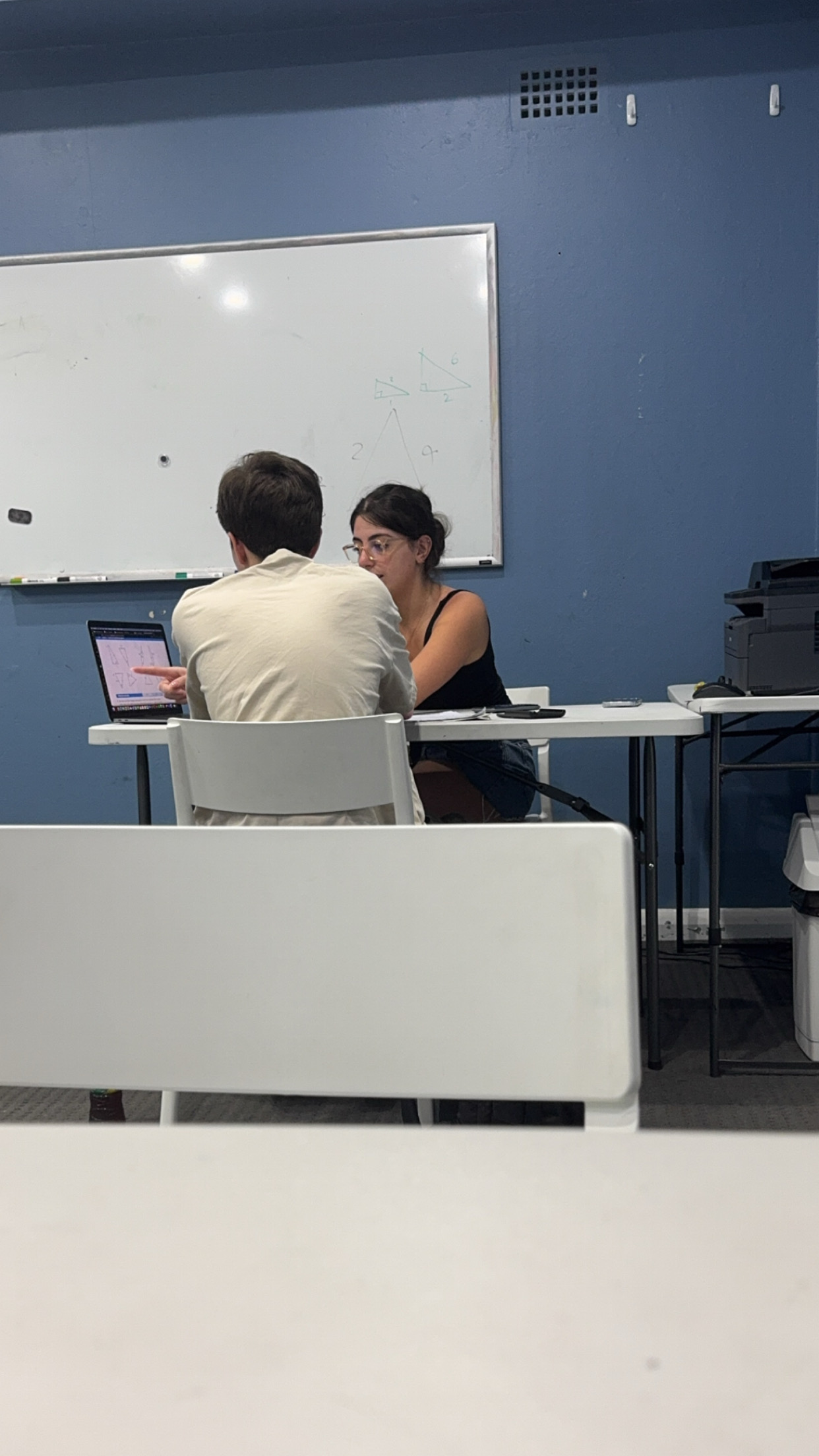
Today,  I had the opportunity to observe Konstantina’s one-on-one math session with her high school student. She was teaching trigonometry, focusing on understanding the fundamental concepts and applying them to solve problems. Konstantina immediately created a calm and comfortable environment for her student by asking about his day and making small talk while he set up his work. She then began the lesson by reviewing the key trigonometric ratios and ensuring the student understood the fundamental concepts of the task they were going to work through.

To ensure a solid grasp of the topic, she encouraged the student to draw diagrams for each ratio, labeling the opposite, adjacent, and hypotenuse sides in relation to the angle in question. By drawing these diagrams, she provided a visual representation of the trigonometric concepts which helped the student better understand how to apply the formulas.

Konstantina also excelled at identifying the challenges her student was facing when trying to answer more complex questions by skillfully maintaining relevant conversation throughout the session, which allowed the student to express when he was confused.

She then worked through a variety of practice questions with the student. Most of these were from his textbook to ensure they aligned with what he was learning in class. She gave him time to attempt the questions independently before reviewing his work and asked guiding questions to help him get back on track if he seemed to struggle. If the student made a mistake, Konstantina gently guided him back on track by reviewing his thought process and highlighting where he went wrong.

Konstantina’s approach was interactive and supportive. She asked questions throughout the session to check the student’s understanding and encourage critical thinking. She was very patient, offering hints to guide the student toward the solution, rather than simply providing the answers. Additionally, Konstantina took a strategic and personalized approach to teaching this student. They worked on questions together at the desk, which kept the atmosphere casual and relaxed, in contrast to a more formal whiteboard approach. This seemed to be highly effective in maintaining the student’s attention and encouraging him to engage in the lesson.

Overall, it was a productive and well-structured session, and Konstantina did a fantastic job fostering her student’s understanding of trigonometry.

Jenna Freed

Observation

Post Image

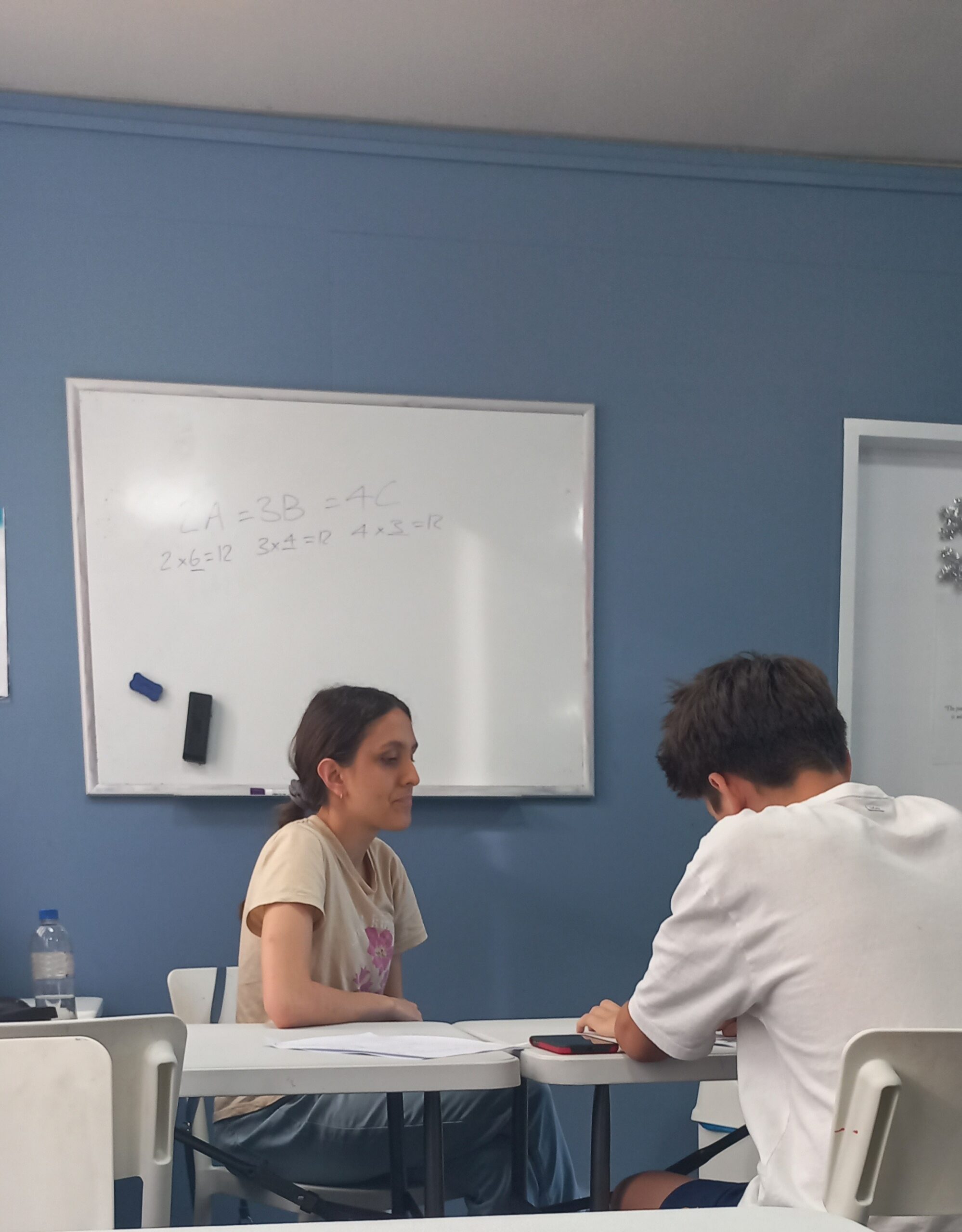
I observed Sophia’s session with her Year 7 student. They were working on ratios and dividing certain quantities using a given ratio. Sophia started her student off with some introductory questions to build his confidence and consolidate the main theory and concepts behind this topic.

After ensuring the student understood this topic by talking through the concept with him, she moved on to helping him with some of his school homework questions that he had brought as well as supplementing this with some harder questions of her own. This was very helpful as Sophia’s adaptability to the student’s needs helped him feel he was on track with his work and that he also understood the concepts which was great to see. The way Sophia let the student read out the question and talk through his thinking process really helped to see if he understood the concept on his own. By allowing him to talk through his working out and making him feel comfortable to do so, her student also felt very comfortable to ask any questions throughout the working out process.

Sophia’s use of the whiteboard to break down ratios in a very clear way for her student helped to show the underlying theory behind ratios and how they are used in real life scenarios. By giving her student many ratio questions that were based on real life scenarios, her student understood how ratios are used in a realistic way, this not always being shown in the conventional practice questions in textbooks.

Whenever her student did not understand how to approach a question or was a bit unsure with his working out, Sophia made sure to give him the time to voice his ideas on how to approach the question. This helped Sophia identify what particular areas her student was unsure of and explain to him why some methods of working out would not work for different styles of questions. This then allowed her student to attempt the question again on his own and because of Sophia’s previous explanations, he was able to get these tricky questions correct.

Overall, the way Sophia ran her student’s session was great to see as it boosted the student’s confidence by encouraging him to engage in continual dialogue and brainstorming of the working out process. Great work Sophia and thank you for letting me observe!

Kristina McLean

Observation

Post Image

Watching Erik tutor mathematics was an enlightening experience. While I was already familiar with the material, I was keen to observe how Erik communicated it. His teaching style was methodical and patient, focusing not just on the solutions but on guiding the student through the reasoning process. Erik had a remarkable way of breaking down complex problems into manageable steps, ensuring his student understood each phase before moving on. What really stood out to me was his ability to ask insightful, open-ended questions that encouraged deeper thinking. Rather than simply providing answers, he fostered an environment where mistakes were seen as opportunities to learn, building his student’s confidence along the way. I noticed how Erik was skilled at adapting his approach based on the student’s needs, always aiming to make them feel empowered rather than overwhelmed. His focus wasn’t just on getting the right answer, but on helping the student understand the thought process behind it. Through observing Erik, I gained a deeper appreciation for how effective teaching involves more than just presenting material—it’s about creating an environment where students feel comfortable exploring and developing their own understanding. Erik’s approach reminded me that teaching is as much about fostering critical thinking and problem-solving skills as it is about conveying knowledge

Nabil Harrar

Observation

Post Image

During a recent session, I observed Thomais working with her Year 1 student on Maths and English. The lesson covered Telling the Time in Maths and focused on Grammar, Punctuation, Phonics and Spelling in English. Thomais’s calm and engaging approach ensured the student remained focused and enthusiastic throughout the session.

The session began with Maths, specifically learning to tell the time. Thomais used the whiteboard, allowing the student to visually see the hands of the clock move as they learned. She started wth full hours, such as 2 o’clock, before gradually introducing half-past and quarter hour concepts. Thomais explained each step clearly, using everyday examples like, “What time do you eat breakfast?” or “What time is your bedtime?” to make the activity relatable and meaningful.

When the student made a mistake or hesitated, Thomais responded with encouragement, asking guiding questions such as, “Where do you think the minute hand should go?”. This approach helped reinforce their understanding without providing direct answers. By the end of the activity, the student demonstrated increased confidence in reading the time.

The English component began with Grammar and Punctuation. Thomais introduced basic rules, including capitalising the first word in a sentence and using full stops. She provided simple, age appropriate sentences for the student to correct, turning it into a fun and interactive exercise.

Phonics and Spelling followed after, with a focus on recognising letter sounds and blending them into words. Thomais used flashcards and a phonics game to reinforce learning, keeping the student engaged. When practising spelling, she encouraged the student to sound out each word before writing it, helping to build confidence and accuracy.

Throughout the session, Thomas demonstrated exceptional communication skills and patience. Her ability to break down concepts into manageable parts and provide consistent positive reinforcement created a supportive and engaging learning environment. The student showed clear progress in both subjects by the end of the session.

Overall, Thomais delivered a well structured and effective tutoring session, showcasing her ability to cater to her student’s needs while fostering both skills and a love for learning.

Isabella Naumovski