
First Education

Questioning as the Catalyst of Critical Thinking

Post Image

The defiance of a student is an experience I am sure most of us are familiar with. The perennial “what is the point” query will continue to bother the unassuming tutor for decades to come. The irritation that such a question raises is palpable from both parties: the student is driven mad by work they can’t conceive as valuable. Meanwhile, the tutor sits frustrated by the disruption to the lesson. They also struggle to justify a task whose value is cumulative and only apparent upon reflection. Often seen as an attempt to avoid the prescribed work, the typical tutor response is usually somewhat condescending, dismissing the concern as ‘naïve’ and encouraging the child to ‘get back to work’. While I do not wish to deny the inherent childishness of the student’s position, I suggest that an alternate approach of considered discussion avoids isolating the child; maintaining rapport with students in these pivotal moments of frustration is important to ensure engagement in sessions going forward.

The aim here is to construct a meaningful dialogue. I find it beneficial to first explore the root of their complaint and understand why they feel that way. Forced to confront the shaky foundations of their position, the student often grapples for a ‘half-baked’ justification that invariably falls short. This shows them how their position is undermined by ill-conceived rationale that lacks evidence, illuminating the value of critically considering our arguments. It is vital to then acknowledge the merit of their perspective; while their dismissal for their prescribed work is too quickly concluded, there exist elements of truth in their rejection; for example, there are many counterintuitive components of the curriculum that only serve ‘testing’ purposes. It’s crucial in such moments to validate their feelings while steering the conversation towards a more productive outcome. Emphasizing that understanding and navigating imperfect systems is a valuable life skill empowers students, instilling in them a sense of control and a renewed sense of purpose. Encourage them to view mastery of these tasks as a form of intellectual empowerment—a way to rise above the system rather than be defeated by it. By engaging in these philosophical discussions, we not only address their immediate concerns but also cultivate a deeper appreciation for learning and intellectual growth.

Thea Macarthur-Lassen
Observation

Post Image

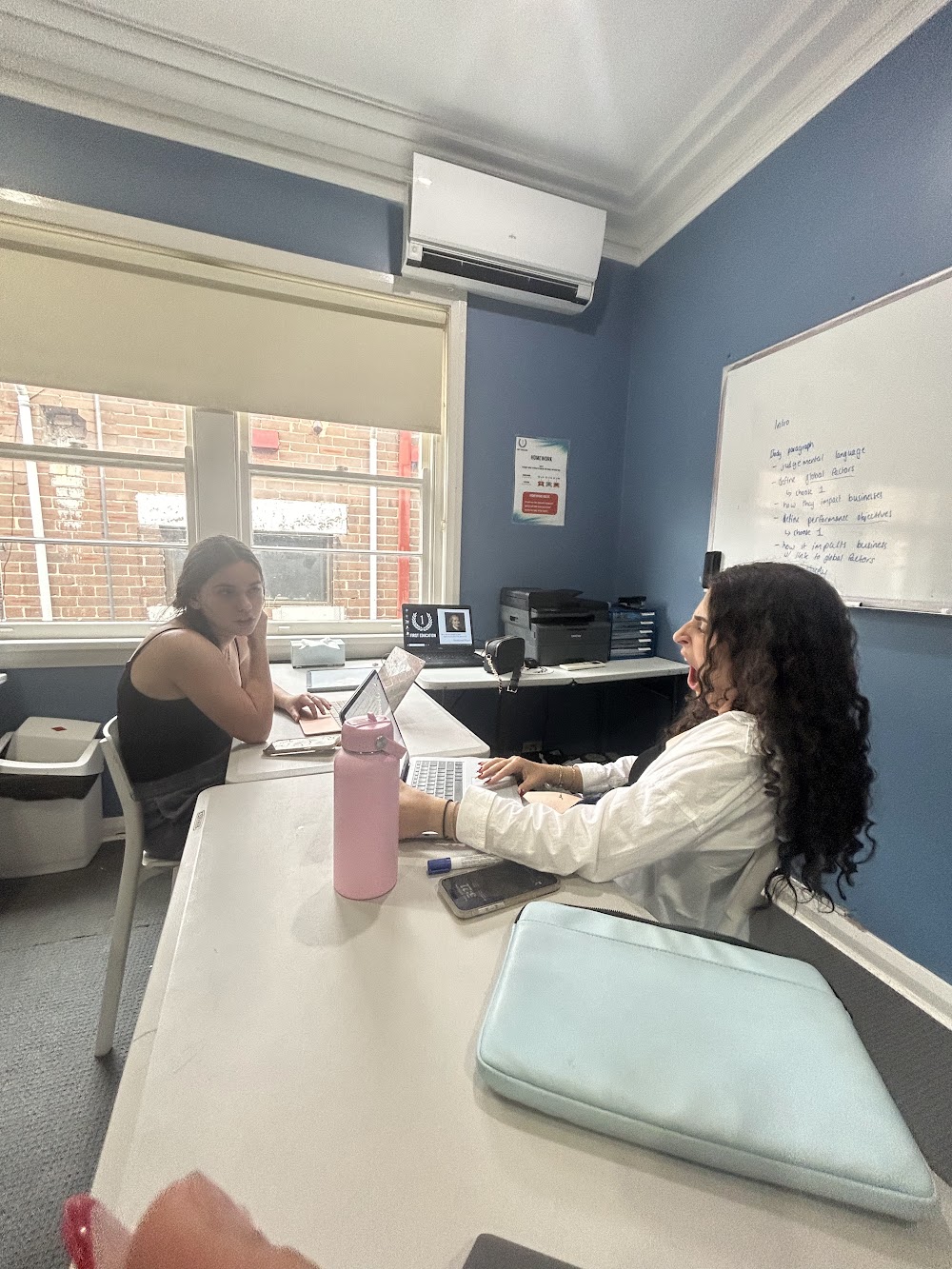
Today I had the opportunity to observe Kassandra with her yr 12 Business student. Kassandra made excellent use of the whiteboard to take her student through the structure of a response and how markers would expect a certain standard of writing. Following this she went through specific questions and how her student might approach them to gain all the marks. She didn’t provide her students with the full response but tried to lead her student to understand what questions were asking.

They then used a collaborative document to make plans for a variety of questions. She gave her student the freedom to choose her structures and then base her responses of the scaffolds she created. They aligned her notes with thew various topics to ensure her piece contained relevant information and remained on topic. She discussed case studies and their importance and how to include them in a response to maximise her marks.

She allowed her student to research and provide examples for case studies instead of providing them for her which prepared her for any independent study she would need to do prior to her assessment. When her student was stuck, she still provided hints to avoid any wasted time without giving her the answers. Discussions are an excellent way to help students retain information and so Kassandra mace good use of active discussions.

She further pointed out how to avoid mistakes like confusing marketing and business objectives. This is important to expose the students to what markers look out for.

Overall, I think Kassandra did an excellent job, keeping her student engaged and ensuring she improved in her writing and her ability to retain

Olga-Liana Athanasatos

Observation

Post Image

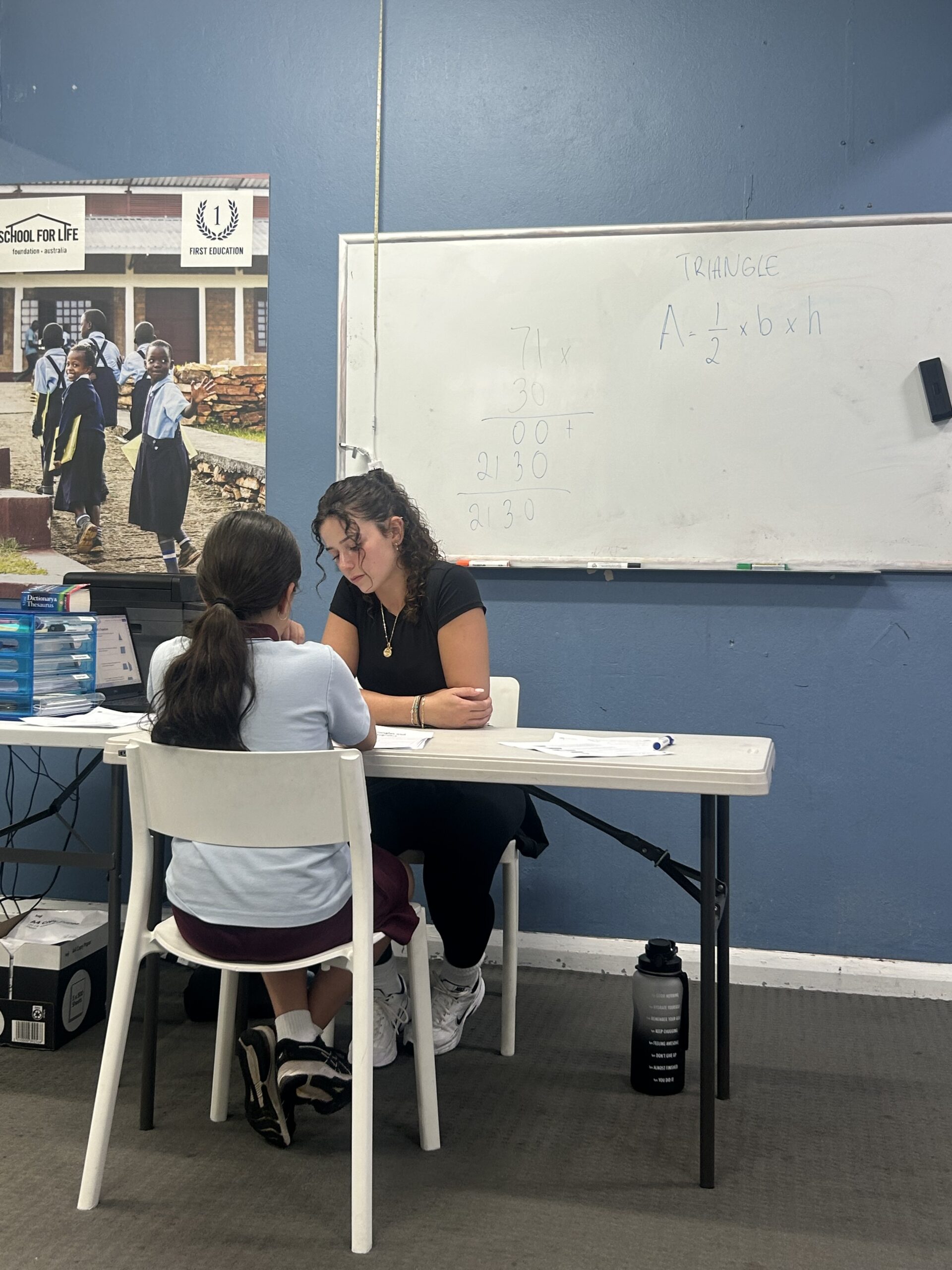
I had the opportunity to observe Elise with her student Paloma.

During the session, Elise began by explaining how to calculate the area of a triangle, using clear examples and drawings to help Paloma understand the concept. She connected it to Paloma’s previous knowledge of rectangles, which made the topic feel more familiar. Paloma was focused and engaged, asking questions to clarify anything she wasn’t sure about.

As they moved through the worksheet, Paloma handled the simpler problems well but started to struggle when the numbers got larger. Elise quickly noticed that the difficulty wasn’t with understanding the area but with long multiplication. To help, Elise paused the session and spent time revising multiplication. She broke it down step by step, showing Paloma how to lay out her work clearly and avoid mistakes. Elise gave Paloma a few practice problems and worked through them with her until she felt more confident.

Once Paloma was more comfortable with multiplication, they returned to the area problems. Elise used a supportive approach, guiding Paloma through the first few examples and gradually encouraging her to work independently. When Paloma hesitated, Elise asked prompting questions like, “What’s the next step?” or “What do you think we should do here?” to help her think it through.

To keep Paloma engaged, Elise also included a few word problems that related to everyday situations. Paloma seemed to enjoy these more and worked through them enthusiastically. Elise gave lots of positive feedback, praising Paloma for her effort and persistence, which helped build her confidence.

By the end of the session, Paloma was solving problems on her own and feeling much more sure of herself. Elise’s ability to adapt the session, focus on Paloma’s needs, and keep her motivated made it a productive and positive experience.

Eric Mihas

Working with younger students

Post Image

Tutoring primary school students
Tutoring primary school students sounds like it would be more straightforward than older students, however, it is more challenging than anticipated. Younger students have significantly shorter attention spans and varying levels and types of motivation they need. This means it is incredibly important to have engaging and age-appropriate methods of tutoring in order to create positive learning experiences for all students.

Maintaining the attention span of primary school students can be difficult, especially younger students such as those in kindergarten. They are very easily distracted and can struggle to stay engaged with longer tasks or even shorter tasks, depending on the student. To overcome this challenge, I’ve found that it is helpful to break down the lessons into smaller, more manageable chunks with specific goals. For example, completing 10 spelling words and writing out sentences before having a five minute break. I have also found that using a variety of teaching tools helps maintain their focus, such as verbal and visual explanations, hands-on activities, real-life examples and interactive games related to the content.

Younger students also need more frequent breaks compared to older students who may not need any breaks at all. I always try to incorporate at least one break halfway through the lesson where the student can have a snack and play a short game such as a round of Uno, as this can help keep them energised and prevent burnout. The needs of each student varies, including their preferences for breaks, so it is important to ask the student how they would like to spend their break, for example, if they would rather just rest for a few minutes, play a game, do a quick drawing session, or whatever else might keep the mood light and enjoyable.

Primary school kids also especially thrive on encouragement, as they can easily lose motivation when they don’t understand a question or get something wrong. Given this, it is important to celebrate the successes of your younger students, no matter how big or small they are, and provide constructive feedback to support them. Some students are fine with just verbal feedback, but some may benefit from a physical reward system, such as stickers, to stay engaged and enthusiastic.

Daisy Brenac

Creative Writing

Post Image

Creative writing is a key skill that students are required to use throughout their education, making it vital that primary school students practice it to ensure these abilities are fostered from an early age. Engaging in creative writing helps children articulate their thoughts and feelings effectively. This process enhances their vocabulary and language skills, which are beneficial not only for writing but also for communication.

Additionally, creative writing encourages students to think outside the box as they craft storylines, develop characters, and imagine settings. However, primary school students can sometimes feel disheartened when unsure about what to write. It is crucial to encourage them to keep brainstorming ideas, which can inspire their writing and help build their confidence. Creating a supportive environment in tutoring is essential, as it allows students to feel comfortable sharing their ideas, even when they are uncertain. When they feel safe to express themselves, they are more likely to take risks in their writing and explore new concepts.

One method that can make it easier for primary school students to approach creative writing is to begin with writing diary entries. Diary entries focus on personal experiences, thoughts, and feelings, which are familiar and easy for the students to access.
This will help build their confidence, which can then inspire them to attempt writing a creative.

Another effective method to motivate primary school students to write creatively is to allow them to choose prompts that excite them. Using fun and relatable prompts captures their attention and encourages them to explore their creativity without feeling overwhelmed. This autonomy can ignite their imagination and lead to more enthusiastic writing sessions.

Incorporating regular writing activities into tutoring sessions can further enhance this process. By making creative writing a consistent part of their learning, students can develop their skills over time. Through practicing creative writing consistently, students can improve their writing skills and increase their confidence. Ultimately, nurturing creative writing in primary school lays a strong foundation for their future academic endeavours and personal expression, equipping them with the tools to communicate effectively throughout their lives.

Patricia Hardas

Observation

Post Image

Today I observed Lishai’s session with a new Maths student. This was especially interesting to watch since the first session with a student can often be a challenging one. This is because you need to start to build a relationship with the student, understand their level, goals, and work ethic, and learn the best way to accommodate to their learning style. Lishai did this very effectively and I was very impressed, especially considering that they had an exam coming up.
Lishai started off the session by striking up a short conversation with the student in order to start to build a relationship with them and to learn more about each other. This is highly valuable as it allows the student to feel more comfortable with the tutor. Lishai then shifted the conversation by starting to ask questions specifically about school, what they had done in class, and what topics would be involved in the test. He identified what should be prioritised in the session by asking the student which topics he believed he struggled with most, and this is what they started with. In particular, this student appeared to know a lot of the processes but didn’t necessarily know when to apply them or how to start off a question. This is what Lishai focussed on improving throughout the lesson by providing him with a variety of problems that used similar calculations in different ways that required deeper thinking, similar to what would be involved under test conditions.
I could tell that the student then started to become more comfortable and asked questions about topics that he was struggling with. Lishai responded to this by asking for clarification about the types of questions that the student was being asked. This allowed him to grasp the level that the student was at and thus allowed him to explain the knowledge required for further understanding.

Riva Burkett

Value of the Syllabus for Y11 & Y12

Post Image

The syllabus is an essential tool for Year 11 and Year 12 students, offering a roadmap for what to learn and how to apply it in assessments. It provides a structured framework for students that defines the knowledge that is required to completed exams and assessments. Having a strong understanding of the syllabus allows students to align their study with requirements of their subjects and to succeed academically.

Foremost, a critical component of the syllabus is its division into two areas: the “learn about” and “learn to” sections. The “learn about” section focuses on the content students need to understand for the subject. It provides the foundation of their learning, offering clear guidance on the topics and concepts they will learn about and need to know. This component can be compared to a map, showing the key knowledge areas necessary for mastering each topic.

On the other hand, the “learn to” section, is where students apply what they have learned. This section forms the basis of exam questions, as it focuses on demonstrating understanding and practical application. It typically includes directives such as “analyse”, “evaluate” or “discuss”, which hint at the skills students are expected to develop and have. For example, if a Religion syllabus has taught students about the significance of religious practices (“learn about”), then the “learn to” will mention “evaluates the significance of religious practices”, and exam questions will directly reflect this, requiring evaluation not just recall of practices.

By closely referencing the “learn to” section when studying, students can anticipate the kinds of questions they may face in exams and prepare accordingly. Recognising the connection between the “learn about” and “learn to” will help students see what they are working towards. Therefore, effective students use the syllabus as a checklist, ensuring they understand the content and how to apply to different exam questions.

Ultimately, the syllabus is not just a list of topics and content for students but is a strategic tool for success. By stressing the importance to students about understanding it and how to use it will help students understand where to focus their efforts and how to prepare for exams.

Annie Bulkeley

Observation

Post Image

Throughout the session, Sophie was very effective in engaging and assisting in getting the student to understand the content. The main topic of the lesson was Linear Relationships and Trig. Sophie went over a work booklet that the student brought into the session and reviewed more complex variations of any questions that the student did not understand. Sophie’s ability to keep the session light and relaxing yet still very effective seemed to be a great way to ensure the student was able to continue the session without falling off track, getting bored or being distracted. I was very impressed with her ability to make the student comfortable with the content as the lesson progressed and comfortable asking questions and reviewing any part of the work that she didn’t understand. Throughout each question that they reviewed together, Sophie consistently ensured that the student understood each step that she was taking, making sure to not leave the student with any misunderstanding of any part of the question. Her use of the whiteboard during question reviews also seemed to be effective in the explanation process as seeing the question broken down on a clearer and larger scale helped the student understand each aspect of each question. Overall, I was very impressed with her ability to keep a comforting and relaxed environment while simultaneously ensuring consistent and efficient progression throughout the entire session, allowing the student to better understand each question in both sections that they were reviewing.

Lishai Rubinstein

Overcoming Procrastination: Tips for Students

Post Image

Procrastination is one of those things we all deal with but struggle to admit. Whether it’s scrolling through tik tok, doing random tasks around the house to waste time, or convincing yourself you’ll “feel more motivated later,” putting things off is way too easy. I struggle with this myself, starting feels like the hardest part, you feel like you’re stuck and can’t move. Over time, though, I’ve picked up a few strategies that make it a bit easier to tackle.

1. Break tasks into smaller pieces:
Big tasks can feel overwhelming, so instead of thinking about finishing the whole thing, focus on the first step. Writing an essay? Start with a quick outline or just jotting down ideas. Once you get going, it’s usually not as bad as it seemed.

2. Use a timer:
The Pomodoro Technique is great for this—work for 25 minutes, then take a 5-minute break. I find that its a manageable chunk of time and helps me to stay focused without burning out. Plus, those short breaks keep things from feeling endless. If 25 minutes feels too long, I will try shorter increments like 10 or 15 minutes to ease into it.

3. Tell someone your plan:
Accountability works wonders. If you tell a friend or family member what you’re working on, it’s harder to back out. Bonus: they might be working on something too, so you can keep each other on track. Even sending a quick “I’m starting now” message can help.

4. Reward yourself:
Sometimes, you just need a reason to finish. Whether it’s grabbing a snack, watching an episode of something, or taking a walk, giving yourself something to look forward to makes the process less painful.

Procrastination doesn’t mean you’re lazy—it’s usually just about feeling stuck. Once you start, it’s easier to keep going. Even a little progress can make a big difference.

Allegra Pezzullo

Observation

Post Image

Ashley is an experienced tutor who is great with teaching and translating complex ideas and methods to capable students. Ashley began the session by firstly going over the homework questions the student got wrong. Formally explaining the methods and steps to complete these questions in a clear and formal manner. After Both tutor and student then moved onto hard and more complex worded problem questions where Ashley started slow doing the questions with the student and slowly moving towards the student completing these questions independently. This ultimately improved their students confidence when completing questions simulating an exam style response when doing the questions with no help. Furthermore, the session then moved to more algebra style questions which involved complex worded problems of re arranging subjects and solving for X. The student felt more comfortable with this section and thus moved swiftly through these questions. This was a great lesson improving the students skills and approach to answering complex financial maths questions in addition to basic algebra. As they ended the session on an online quiz which tested the students knowledge of these previous topics they just went over.

Jordan