
First Education

Observation

Post Image

I had the opportunity to observe Emilia tutor her year 5 student in English. Specifically, they were working on poetry and poetic devices.

Firstly, Emilia is an excellent communicator and delivers information in an appropriate way that is tailored to her specific students. Given that her student is in year 5, a thorough and clear explanation of poetic devices is necessary. She would ask her student questions such as, “Can you brainstorm some poetic devices”, and would make good use of the whiteboard behind her. Emilia would use the whiteboard to allow her student to follow a clear and logical order when note taking in their workbook.

Secondly, Emilia is great at encouraging active recall and critical thinking by asking questions. It is important that as tutors we refrain from consistently giving our students direct answers as this does not allow them to develop their active recall. Emilia was very effective at asking her student questions in order to ignite thought, and when he would answer correctly she would provide appropriate validation, such as “well done” or “great job that’s correct”. This creates a powerful loop, whereby students actively chase this positive reinforcement and become determined to answer questions correctly.

Further, one of the unique ways that Emilia taught her student was by testing him. She would ask him questions about different poetic devices, such as metaphors and personification, and ask him to describe their meaning, purpose, and provide examples of each. It was great to observe that her student was genuinely engaged for the entirety of the lesson, which is a great reflection of Emilia’s tutoring capacity and ability to remain engaging via asking questions and encouraging active recall.

Overall, this was a great lesson to observe and I commend Emilia for her diligence and determination to instil discipline and confidence within her students.

Well Done Emilia.

James Petrakis

How to Overcome Math Anxiety

Post Image

Math anxiety is something that many students of mine have struggled with when they first start tutoring. But there are a number of very effective strategies to overcome this anxiety and help students succeed in their math exams!

First, let’s dive into what math anxiety actually is. Unlike a student that just dislikes math, a student with math anxiety will often display clear signs such as panic attacks before math tests and significant self-doubt when attempting math questions. This produces a level of fear around math, severely impacting a student’s mindset and mental health. Some of the reasons why students develop math anxiety revolve around negative early experiences with math. This could range from poor teaching which means that the student never felt confident with math concepts, parental pressure with grades or a bad test that constantly weighs on the student’s mind into the future. The very flawed idea that someone is or is not a ‘math person’ further reinforces students’ negative connotations with math.

For tutors, the most important strategy to help students overcome math anxiety is to normalise mistakes. By letting students know that there is nothing wrong with making errors and that they do not have to apologise for asking questions, this will help promote a growth mindset and show them that mistakes help them learn. Also, make sure to work through many exam questions in your lessons so that students do not feel overwhelmed when approaching math exams. Before exams, remind students to practice breathing or mindfulness techniques, and to go in with a positive outlook. When results are received, ensure that the student’s progress is celebrated and remind them that they are indeed great at math!

For parents, make sure that when discussing math with your child that there is no negativity or pressure. Encourage them and show that you are supporting their progress and persistence, rather than a perfect score!

Kristina McLean

Tutoring Children with Different Developmental Needs

Post Image

Every child learns differently, and when tutoring primary school students with diverse developmental needs, flexibility and understanding are key. Effective tutoring is not about using one fixed method that would fit for all students, it is about meeting each child where they are and helping them grow from there.

Children with developmental differences may face challenges in areas like communication, attention or social interaction. For example, a student with ADHD might need shorter and more engaging tasks with regular breaks, while a child with autism may benefit from clear structure, visual supports and predictable routines. Recognising these individual needs allows tutors to adjust their teaching style so that every child can participate and succeed within tutoring sessions.

Building a strong relationship is just as important as the tutoring lesson itself. Trust creates a safe learning space where students feel comfortable asking questions and making mistakes. Tutors should use positive reinforcement, patience, and clear feedback to encourage effort and progress. Small victories in the tutoring lesson such as reading a page independently or solving a tricky maths problem should be celebrated by us as tutors to boost confidence and motivation among students.

Communication with parents also plays a vital role. Sharing strategies and progress helps create consistency across home, school and tutoring sessions. For instance, if a teacher uses visual schedules in their class at school, the tutor can mirror this system to strengthen the student’s sense of routine and familiarity.

Finally, tutoring children with different developmental needs requires empathy and creativity. Adapting tutoring sessions through games, visuals or using technology can make learning more accessible and enjoyable. Success looks different for every child, but with the right approach, all students can develop essential skills, confidence and a love for learning that extends beyond the session.

Annie Bulkeley

Education for Everybody

Post Image

Education should be an experience that builds curiosity for all students. True learning occurs when the mind is engaged, and inspired to connect ideas, not when it is forced to perform memorizing tasks. The human brain is wired to seek patterns and derive satisfaction from understanding. Yet quite often, our public education system prioritises standardisation over stimulation, often reducing learning to a mechanical process rather than an enjoyable exploration of self and interest.

When learning is enjoyable it can strengthen intrinsic motivation, which in turn sustains long-term intellectual growth. Many recent peer reviewed studies have found that students who find meaning and pleasure in their studies are more likely to pursue knowledge independently and apply their understanding creatively. Enjoyment does not always imply unproductiveness or laziness, can effectively increase engagement when applied correctly in education. A well-designed educational environment that is rich in relevance and discovery enhances the student’s natural curiosity and intelligence.

Societies that foster joy in learning cultivate citizens capable of innovation and more reasoned judgment. They produce thinkers and inventors rather than followers. This is the attitude that tutors and teachers alike should employ when approaching students, in order to improv every students attitude and the world overall.

Katie Waller

Tackling and Preventing Burnout

Post Image

Burnout is something we all have experienced, whether that be with a sport we enjoy, but where we usually see it (and where student’s are usually confronted with) is within our studies. This burnout often stems from constant pressure to perform, heavy workloads, and the feeling that no matter how much effort is put in, it is never enough. For students, this manifests itself amongst the most diligent, pushing hard to get an assignment over the line, or get that mark in an exam.

One of the first steps to preventing burnout is recognising early warning signs, such as fatigue, irritability, or loss of interest in activities once enjoyed. For me, this was resigning from my friends, and spending continuous time doom scrolling. Ignoring these symptoms often leads to a deeper cycle of stress and disengagement. It’s important to teach our students to set clear boundaries between study and rest. This can be hard for all of us to do, especially with looming deadlines, but in taking a break, we often become more motivated and perform to a higher standard.

Equally important is prioritising self-care. Getting enough sleep, maintaining a healthy diet, and exercising regularly can significantly improve energy levels and concentration. Even short walks, mindfulness exercises, or simply spending time outdoors can reset the mind and reduce tension, it doesn’t matter how small the activity is.

Social connection plays a powerful role in tackling burnout. Talking to peers, family, or teachers about challenges can provide emotional support and practical advice. Many students struggle silently, but sharing struggles often reveals that others feel the same, fostering a sense of community and understanding.

Finally, students should focus on progress rather than perfection. Reflecting on personal goals, celebrating small wins, and accepting that mistakes are part of learning helps maintain perspective and motivation, realising that marks aren’t the be all and end all, especially at their young age.

By maintaining balance, nurturing wellbeing, and seeking support early, students can not only overcome burnout but also build healthier habits that sustain them far beyond the classroom.

Samin Sadaf Hossain

Tips for starting year 12

Post Image

Now that the HSC has finally ended, students all across schools are moving from year 11 into year 12 and finally beginning the final year of schooling. This is an exciting and daunting step for everyone, having to face new content and taking on the responsibility of being the oldest in the school. It is a year that can be stressful, but it is also important to make the most of it! These are some tips to help you achieve success in your studies but also make the time to enjoy yourself:

1- Start making your notes early
It can be easy to get behind on making your notes each week, especially in content heavy subjects like history or biology as it may not seem like a main priority when compared to homework set by your teacher. However, this is a crucial step in preparation when it comes to exams as it allows you to have all the information you need to study in words that you understand in one place. Try and set out a time each week for every subject that is dedicated to catching up with the notes and content for that week. This prevents you from falling behind and is a good revision tool to refresh what you have done over the past week.

2- Plan out your weeks
It is a good idea to try organise your week in a calendar or diary, including any extracurricular activities, study time and reminders throughout the week, such as assignments that are due. This sets up a routine where you can create good study habits by blocking out periods of time throughout the week that you can dedicate to specific study. Additionally, it helps you make time for yourself and the things that you like. This could be doing your favourite sport each week or putting in a period of time that is for watching a movie! By doing this, it helps to avoid burnout and keeps you motivated throughout year 12.

Maddie Manins

What to Expect in the First Month of Tutoring for Students and Parents

Post Image

Starting tutoring for the first time can feel both exciting and a little nerve-wracking, whether you’re a student hoping to boost your grades or a parent wanting to see your child gain confidence. The first month of tutoring is all about building foundations, not just academically, but also in communication, trust, and learning habits.

Week 1: Getting to Know Each Other

The first session usually focuses on introductions, goal setting, and assessing where the student currently stands. The tutor will take time to understand the student’s strengths, challenges, and preferred learning style. This helps shape a tailored plan moving forward.

Weeks 2–3: Building Routines and Confidence

As lessons continue, a routine starts to form. The student becomes more comfortable asking questions, and the tutor begins to identify key focus areas. Expect lessons to include targeted practice, mini-assessments, and discussion about progress. Confidence often begins to grow here as students realise that difficult topics can be broken down and mastered step by step.

Week 4: Seeing the First Signs of Progress

By the end of the first month, you’ll likely notice changes, not always dramatic test score jumps yet, but subtle improvements: more focus, less frustration, and stronger understanding. Students often feel more organised and motivated.

Tutoring is a process, and the first month lays the groundwork for lasting results. The key is consistency, attending sessions regularly, completing any assigned practice, and keeping communication open with the tutor. With time, effort, and teamwork, those early foundations become real academic growth and confidence.

Isabella Mackay

Observation

Post Image

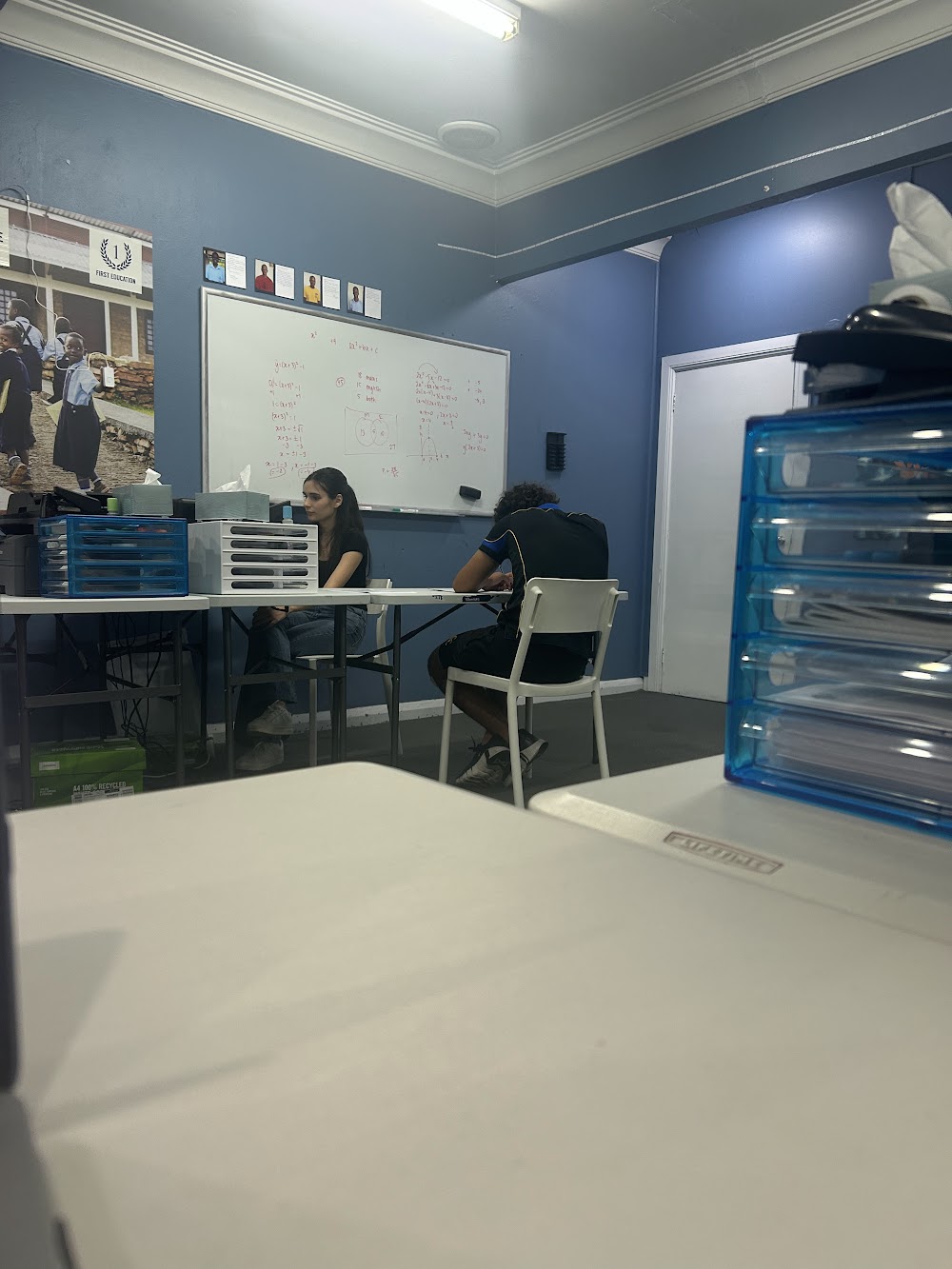
Today, I had the privilege of observing Katherine tutor Year 10 Maths.

Katherine began her lesson by checking in with her student to see how they went with their recent Maths exam. Katherine immediately decided to focus on the topics that presented a challenge to her students and began by looking at questions that focused on the difference of two squares. Clear step-by-step processes were undertaken by Katherine to enhance the student’s understanding of the topic, and she was also very encouraging and patient with her student. I admire the way Katherine addresses the students’ mistakes, where she makes the students feel comfortable to share their thoughts and validates their thought process before addressing the mistakes in a light-hearted manner. Katherine also focused on probability and took care to explain the concepts thoroughly before setting her student independent worksheets to complete. Despite her student saying they had an understanding of some of the concepts, Katherine took the time to make sure he had practised them to receive further confirmation and validation that they could progress to challenging and more intense questions.

Overall, it was great to see the student be so comfortable with Katherine and enjoy the lesson. Well done!

Marina Nouris

How to set yourself up for HSC success from the beginning of Year 12

Post Image

Beginning year 12 is an exciting achievement, it’s the foundation to properly begin thinking about your future and careers, improve on your preliminary marks, set goals and make lasting school memories with your cohort and friends. But it’s also the year where you sit your HSC exams, a concept that you would have heard about since starting school! Which can be a nerve-wracking thought/experience to many students. That’s why it’s very important to begin preparing for this journey from day one! By setting yourself up from now it will reduce most of the stress that will come later in the year, and it will also build strong habits that can be carried into Uni and future careers!

Some tips to help you achieve your success will be going in with a clear and fresh mindset setting realistic goals. Year 12 is a marathon not a sprint, so its highly important to pace yourself and set achievable goals to work towards throughout the year. you can do this by asking yourself early in the year what you want to achieve? are you aiming for a certain atar? or improve your marks in a certain subject? by setting realistic goals it will allow you to focus and set clear expectations that you want to achieve.

Another tip is organisation, in year 12 organisation is key! create a study routine that fits into your life and commitments, but make sure you keep it as realistic as possible. Write down assigmment due dates, or exam blocks and set some time for weekly revision. Also keep your notes tidy ( in line with the syllabus) and up to date from week one it will save you so much time and be a huge stress relief before your Half yearly, trials and HSC.

Also dont forget to balance and wellbeing matter just as much as academics. Priotise your sleep, exercise, hobbies, and seeing friends and family. A healthy routine throughout the year keeps your mind sharp and prevents burnout.

Daniella

How to stop procrastinating

Post Image

With so much technology consistently available to us, it is difficult to avoid the need to pick up our phone, check messages, scroll Instagram or TikTok. This is especially when we are faced with more difficult tasks like our homework or study. Scrolling seems so much easier. But the reality is, it isn’t. It is delaying your work and making it harder for you further down the track. So here are some tips I’ve found to help me stop procrastinating that I think you will find useful too.

The first one is to just start. Which sounds obvious, but sometimes it isn’t. If you are feeling really unmotivated just start, set a timer for 5-10 minutes and tell yourself you will only work up until the timer goes off. Chances are you will continue to want to work as you have now already started. Secondly, break your work into bite-sized and manageable pieces. Write a to-do list with all the small tasks you are required to complete for a bigger project. This makes the project or task feel mentally more manageable and it is a lot more motivating to do a small task rather than a whole assignment. Thirdly, remove the distractions. There are many apps available such as forest app, which allow you to lock yourself out of your apps. If you leave the app, you lose something, such as a virtual tree that grows, or in some apps a money incentive. Finally, reward yourself. After you complete a larger task, assignment, or study session, give yourself a small reward such as a coffee or treat. This is called positive reinforcement and increases the likelihood you will continue to study as you have an incentive.

Procrastinating doesn’t mean you are lazy. Sometimes when you are exhausted it feels so much easier. But remember it will make it harder for you down the track. So next time you feel like picking up your phone, try some of these tips.

Isabella Mackay