
First Education

Transformation over Information

Post Image

Something I have noticed during chats with parents or even students themselves is that they often conflate education with accumulation of knowledge. Degrees, certificates, and completing modules are, in many ways, just a visual representation of ‘progress.’ But meaningful progression goes far beyond this mere content delivery. It transforms our perspectives, helps us solve problems, and understand our responsibility and, in turn, our purpose. Real education challenges our assumptions. Forcing us to confront ideas that are uncomfortable or convoluted. Growth rarely happens in comfort. We must engage in perspectives different from our own, forcing us to think critically. This is transformation, not just answering questions and earning qualifications but the ability to think with an open mind and foster curiosity and wonder (spirit of academia). I often see how fast-paced this world is in my own life but also in the lives of those around me, distracted by what the world deems as ‘important’ and ‘unavoidable.’ The degree, the job, the promotion.

However, this knowledge becomes obsolete. But what remains valuable is adaptability. Meaningful education is not just information, but instead, it is a development of resilience and initiative. It teaches us how to learn continuously rather than depend on what we learned once. This is the true separation between those who react to change and those who respond to it. Transformation is also linked intrinsically with accountability. When we truly understand something, we can recognise our role in applying it responsibly. Knowledge without action has little impact. But knowledge paired with integrity and thoughtful execution is an instigator of true change. Meaningful learning builds confidence, not arrogance but grounded confidence. The kind that stems from competence. When investing in understanding the “why” behind what it is we do, our work improves. Decisions become more strategic. Communication becomes clearer. Education is not about checking boxes, it is about expanding capacity. It equips independent thinking and adaptability in all areas of our lives. In a world that constantly evolves, this kind of transformation is not optional. It is essential.

Angelina Castelli

Observation

Post Image

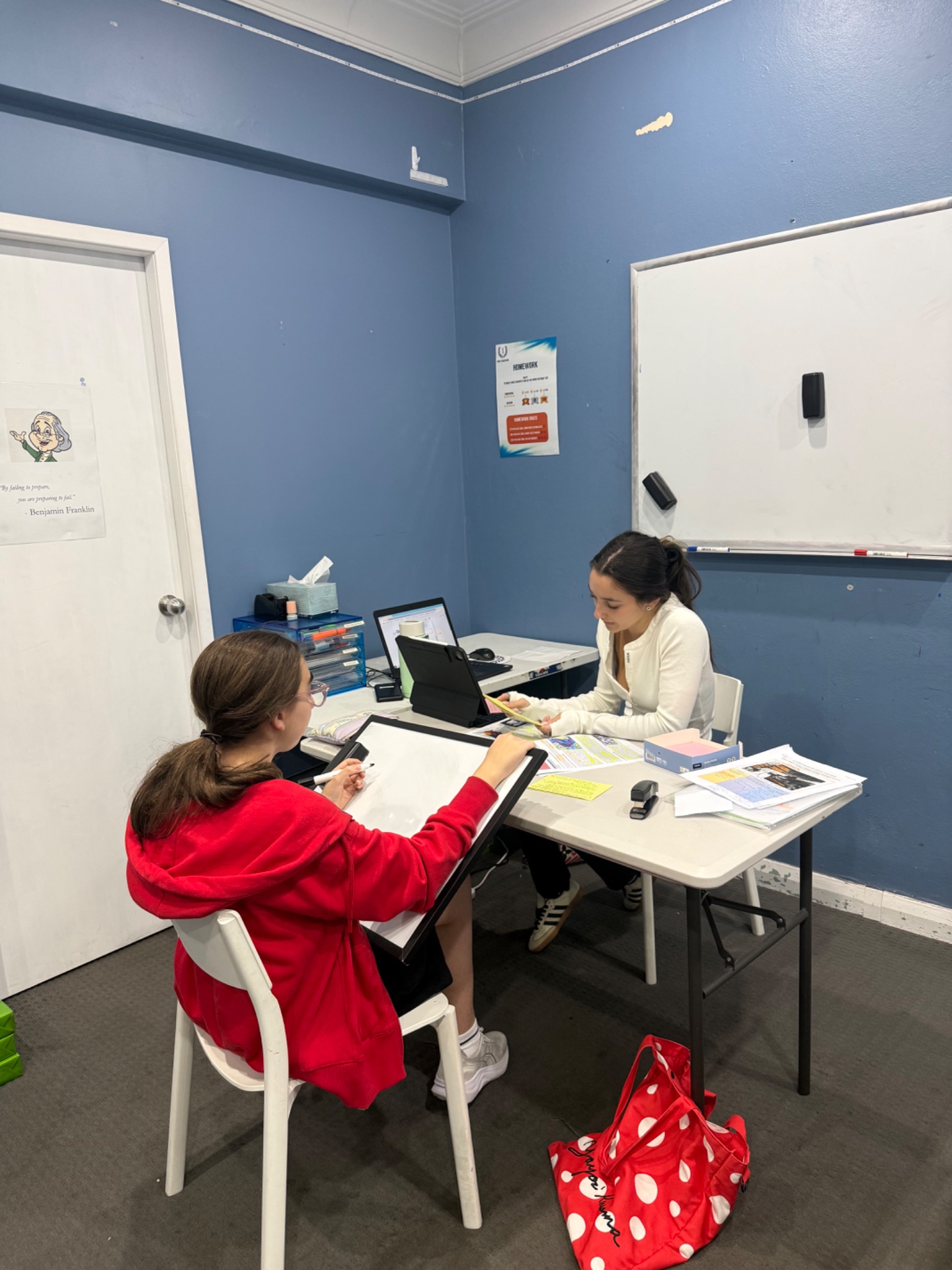
From observing over the session, I thought Piper’s style of tutoring is very interesting, as noticeably, the approach for tutoring different subjects can contrast significantly.

In her session, she might ask Toby what he thinks about a character or how a poem makes him feel. It’s more about igniting ideas and thoughts with the student, and Piper encourages this, as she asks questions and helping him go in depth further. The work feels open, with more than one possible answer, and the focus is on explaining thoughts clearly.

In maths tutoring, it is quite different with my own sessions. The talk becomes more precise. I provide questions and state out the steps carefully, and then they follows along and do it themself. There is often a clear right or wrong answer. So when my student makes a mistake, I can trace it back through the steps to find exactly where it went wrong.

So overall, one session feels exploratory and discussion-based; the other feels structured and methodical.

Lucas Sinnott

Understanding NAPLAN

Post Image

If you are currently in Years 3, 5, 7 and 9 you’ve probably heard a lot about NAPLAN. Some people make it sound completely terrifying while others say it does not really matter at all. So, it is completely normal and very common to feel a bit confused and even quite anxious, because you don’t really know what to expect. So, let’s break it down it and understand what it really is.

The National Assessment Program Literacy and Numeracy (NAPLAN) is a standardised test completed by all students in Australia who are currently in year 3, 5, 7 and 9. It is designed to check how you are progressing in key skills such as reading, writing, language conventions (spelling, grammar and punction), and numeracy. It is really important to note, that these tests are not designed to see if you PASS or fail nor is it a test that determines a your future, and it definitely does not define your intelligence or potential, its more of a snapshot of where you are with your key skills! Think of it as a good opportunity for feedback and self improvement of your learning as a whole!

Prep work that works for all levels should be calm and practical. The goal is not cramming, but building familiarity and confidence. Reviewing basic literacy and numeracy concepts, reading a variety of texts and practicing clear writing strategies are all proven effective. Also completeing questions from previous papers (past papers) can help you understand the question format making it a comfortable strategy to utilise and can help reduce some stress!

By coming into tutoring and answering questions together and sitting previous papers with your tutor will most definitely help prepare you for these tests! One on one feedback will help you understand your errors, build your confidence and help create a plan to ensure your success and peace of mind!!

Daniella Antoun

Wellbeing Matters for Academic Success

Post Image

When discussing a student’s success, the main factor considered is grades, exam and homework results. However, a student’s wellbeing is the foundation that underpins their ability to learn effectively. In my experience tutoring one of the greatest barriers to progress is often not ability, but rather stress, low confidence, and academic burnout, particularly in senior students. When students feel supported and secure, their engagement and performance improve significantly. Regardless of whether stress is external or more of an internal struggle, elevated levels can impair concentration, memory, clarity of thinking and motivation (especially around assessment periods). This can help to explain why somme students who demonstrate understanding during revision may struggle to recall the same information in exams. Wellbeing is therefore not separate from academic achievement… it is essential to it.

There are several indicators that a student’s wellbeing may be affecting their learning. These include avoidance/ procrastination of homework, negative mindsets uch as “I’m not good at this subject,” extreme perfectionism, low tolerance for frustration, and a decline in results despite consistent effort. Such behaviours are often misinterpreted as disengagement, when they are more accurately responses to feeling overwhelmed. Confidence plays a critical role in academic development. Students learn most effectively when they feel safe to make mistakes, comfortable asking questions, and recognised for incremental progress.

Through structured support, achievable goals, and constructive feedback, tutoring can help shift a student’s mindset from self-doubt to a growth mindset. A high-quality tutoring environment provides individualised attention, clear learning structures, and regular opportunities for success.
Parents can further support wellbeing by focusing on effort rather than outcomes, encouraging balanced study routines, promoting adequate rest, and normalising mistakes as part of the learning process.

3 ways parents can support student wellbeing :
1. Emphasise effort over outcomes
2. Establish consistent study routines
3. Normalise challenges and mistakes

Natasya Ross

Inspiration

Post Image

One of the most underestimated skills in tutoring is not explaining – it’s listening.

Allot of the time I have found students to not fully understand a topic that I am discussing, and whilst I will be the first to assume that the blame is on poor explanations, there is often a deeper cause. That cause stems from conceptual misunderstandings in the topics that I am attempting to explain to the student, more often than not it is the reason why they have taken up tutoring in the first place. In this case, it can be something slightly embarrassing to admit. It is the tutors job to go back through that topic that the student is less sure of, if the student struggles with calculus, it may be algebraic structure that is the root problem. Putting that reinforcement learning in place is a powerful tool and a tutors job.

Luca Smith

Dogs vs Cats

Post Image

The debate over whether dogs or cats make better pets has gone on for generations, but many people believe dogs have the edge for several compelling reasons. One of the biggest advantages of dogs is their loyalty. Dogs form deep emotional bonds with their owners and are often described as devoted companions. They greet you enthusiastically after a long day, sense when you’re feeling down, and offer comfort simply by being present. This strong attachment can create a unique and meaningful relationship.

Dogs also encourage a more active lifestyle. Most dogs require regular walks, playtime, and outdoor exercise. This routine not only keeps the dog healthy but also benefits the owner. Daily walks can improve cardiovascular health, reduce stress, and provide opportunities to socialize with other dog owners. In contrast, cats are typically more independent and do not require the same level of interaction or activity.

Another reason dogs are often preferred is their versatility. Dogs can be trained to perform a wide variety of tasks. They serve as guide dogs for the visually impaired, therapy dogs in hospitals and schools, search-and-rescue workers, and even members of law enforcement teams. Their intelligence and eagerness to please make them highly trainable and capable of learning complex commands.

Finally, dogs often provide a sense of security. Many breeds are naturally protective and will alert their owners to strangers or unusual activity. Even smaller dogs can act as effective watchdogs by barking at potential threats.

While cats are loving and low-maintenance pets, dogs offer companionship, activity, service, and protection in ways that many people find unmatched. For those seeking a loyal and interactive companion, dogs are often considered the better choice.

Evan Mihail

Observation

Post Image

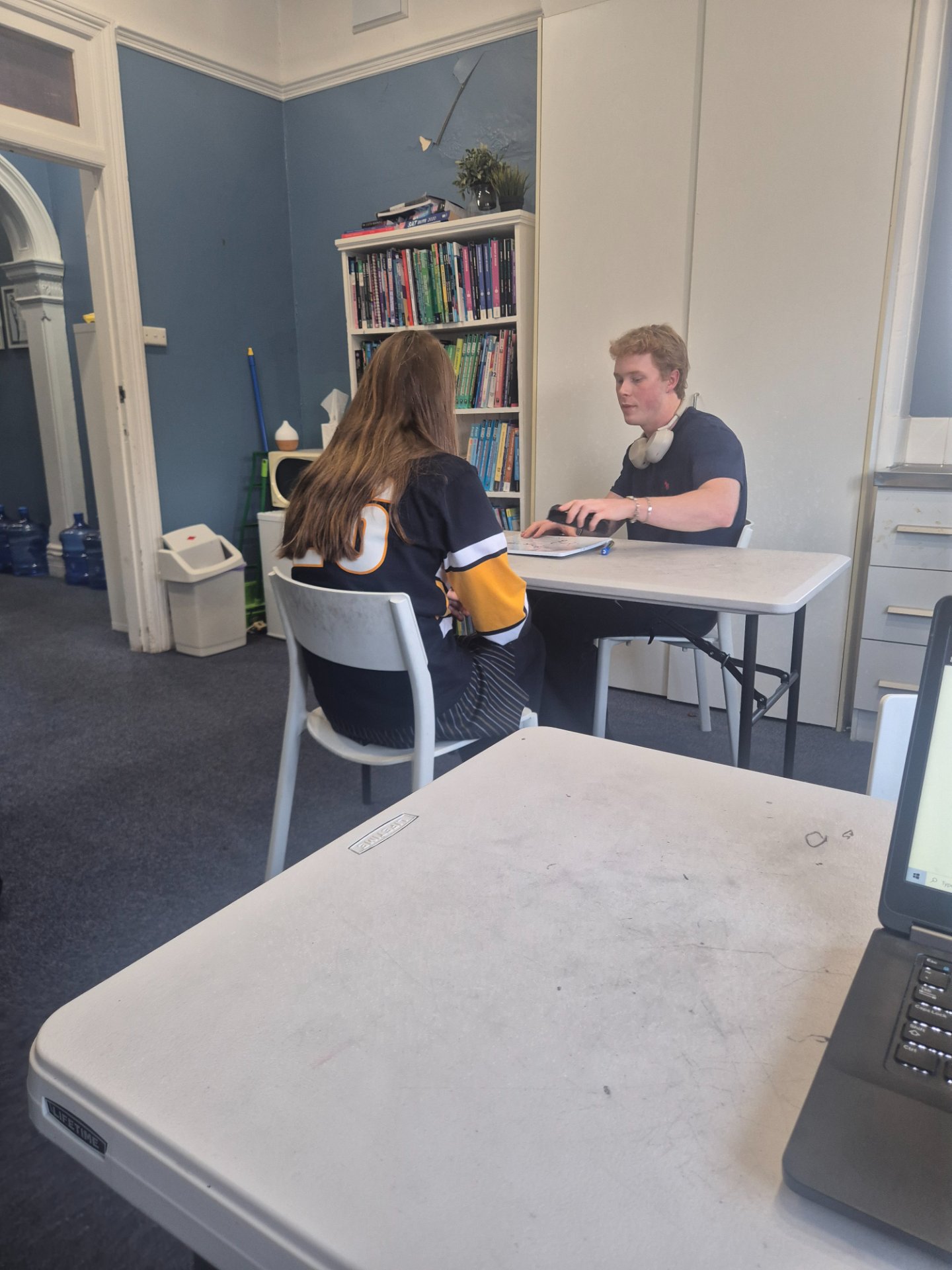
I was able to observe Sophie’s session with her year 10 maths student. They begun their session by talking and catching up for 5 minutes, which was lovely to see, and builds the connection between tutor and student, which then means they feel comfortable with sharing things they’re finding difficult and trust their tutor to help them.

Once they got into the session more they begun to work on the student’s school homework, but only focusing on they content they found difficult – rather than just using tutoring as a chance to do homework. This meant they could use their time better and get more out of tutoring, which is something I aim to do in my sessions with my students as well! Thanks Soph, Sienna

Sienna Apted

Observation

Post Image

Today, I observed Nicholas tutor his year 12 Biology student. Today they were looking at a sample paper with various topics.

Throughout the lesson, Nicholas was very intentional with his explanations and clarified the distinction between similar concepts that his student got confused between. He pointed out key differences to make it easier to identify which idea was being presented.

He asked his student many thought-provoking questions, to test his understanding and ensure he would remember which methods are appropriate to use for different kinds of questions. In addition, he continually checked in with his student to make sure he was on track with completing the assigned work for the lesson. This also ensured the student was constantly engaged and tuning in to his explanations.

Overall, I really liked how Nicholas was relatively quiet and allowed his student ample time to work on questions uninterrupted before offering help. This strategy prompted the student to attempt difficult questions by himself without immediately giving up, and I plan to use this in future sessions. All in all, this was a great lesson to observe and I learnt a lot.

Katherine Mavrolefteros

Observation

Post Image

Today, I observed James tutoring Tristan, his year 10 maths student, on the topic of financial maths, focusing on calculating interest. James began by asking Tristan what he already knew about interest, which was a great way to gauge his understanding before introducing new material. He used Tristan’s responses as a starting point and built on them, explaining concepts clearly. When introducing simple and compound interest, James broke the calculations down carefully, making sure Tristan understood why each step was done rather than just how to do it.
He highlighted how compound interest builds over time, ensuring he had explained thoroughly how it grows faster than simple interest. His explanations were thorough but easy to follow, and he used everyday examples (e.g. loans) to make the maths feel more relevant.A strong moment was when he explained the difference between monthly and yearly interest. He walked Tristan through how annual rates compare with monthly calculations, showing him how to convert between them and why that matters.

James paused regularly to check Tristan’s understanding, instead of rushing through the content, and asked him to explain the process back in his own words. This helped reinforce confidence and showed that he was genuinely grasping the concept.
Throughout the session, James balanced clear instruction with encouragement. He guided his student when he needed help but also gave him space to think things through independently. This kept Tristan actively involved and made the lesson feel engaging rather than passive.
Overall, James’s teaching style was approachable, patient, and well structured. It was great to see how naturally James connected with his student while still maintaining a strong focus on learning and understanding.

Pamela Casiou

Tell Me and I Forget; Teach Me and I May Remember; Involve Me and I Learn

Post Image

Teaching is indirect. Our role as tutors is to deliver understanding to students. This comes in many forms. A high school substitute might hand out thirty worksheets without explaining a word; while a university lecturer might explain at great length and detail over the course of two hours. Which is better might seem obvious, but in reality it depends on the student.
Teachers are often judged by the quality of their explanation, or the ease by which they command attention. But, in my opinion, they should be judged solely on their ability to involve students. The most well-prepared, concise, and detailed explanation will be in vain if the student is never given a chance to stop, interact with and conceptualize the subject.
If a two hour lecture is never interrupted by a question, then perhaps the worksheet would in fact be better. Involvement requires a subtle understanding of your student’s capability, and great teaching finds that balance between practice and explanation. I find more and more often that the best path to a students’ improvement lies not in extremely animated explanations, the promise of gold stars, or mountains of homework – rather, it’s asking them the right questions at the right time.

Fred Bennett