

Teaching Extension English 1: Literary Worlds i believe, requires a shift from traditional content delivery to conceptual coaching. As a tutor, your role is to develop students as both critical thinkers and creative composers, guiding them to understand how texts construct and reimagine worlds through form, language, and perspective.
Begin by grounding students in the core module concepts: representation, textual integrity, context, and literary value. Rather than teaching texts in isolation, consistently ask: What kind of world is being constructed? Whose perspective dominates? What assumptions underpin this world? I think it is valuable to encourage students to compare texts across time to highlight how literary worlds are shaped by context and form.
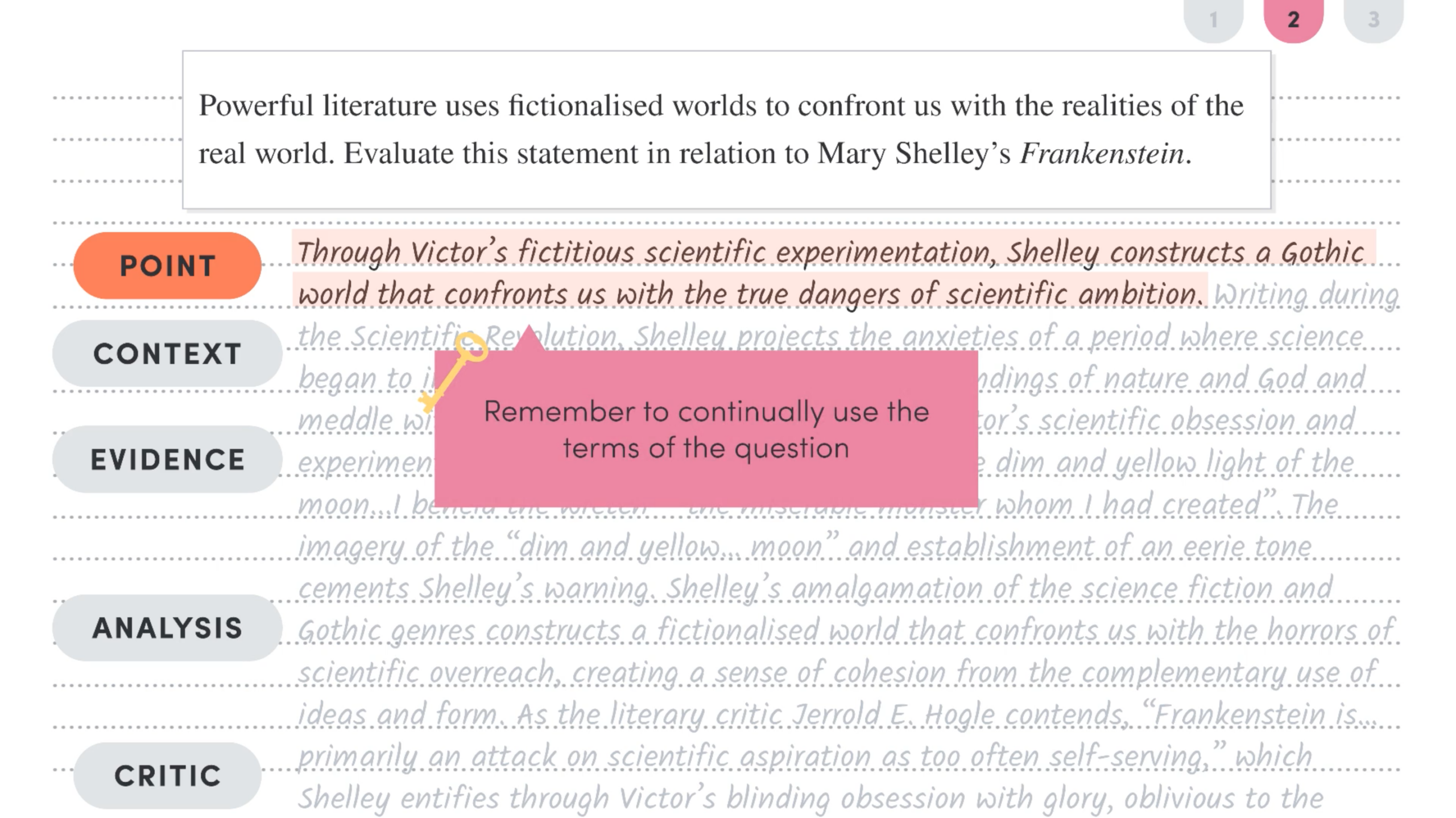
For analytical writing, explicitly teach a conceptual paragraph structure (such as TEEL, but elevated). Students should begin with a conceptual argument, not a plot point. Model how to embed short, purposeful quotes and analyse how language constructs meaning. Push them beyond technique spotting by asking: Why does this technique matter in shaping the literary world? Regularly practise thesis writing, as strong conceptual theses differentiate Band 6 responses. English EXT can no doubt be one of the most challenging subjects – but for bright students, they can definately understand the process with lots of help!
For creative writing, emphasise that students are not just telling stories, but crafting worlds. Teach them to draw on stylistic elements from their prescribed texts and how they shape meaning.
Finally, I think it is always good to provide regular, targeted feedback. Focus on depth of analysis, conceptual clarity, and control of language. High-performing Extension students are those who can seamlessly move between analysing literary worlds and creating their own with sophistication and purpose.
Eleni Nicholas