

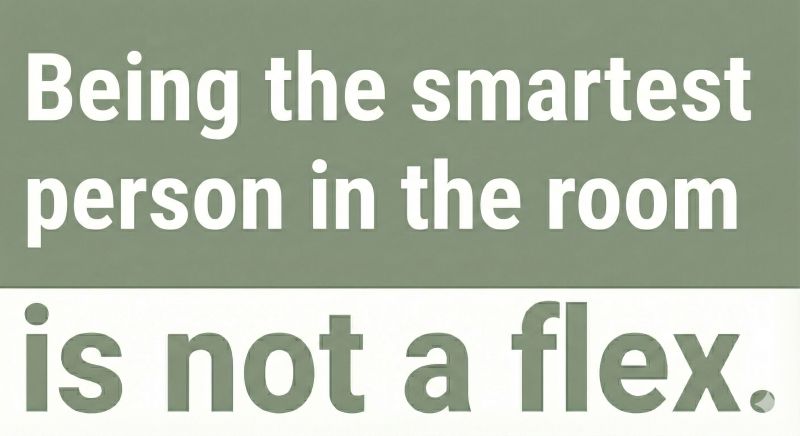
When most people think about tutoring, they often imagine someone exceptionally smart and knowledgeable explaining complex ideas and concepts with ease. While subject expertise is important, the most impactful tutoring goes far beyond simply knowing the answers to every question. In particular, the best tutors are not focused on demonstrating their intelligence, they are more focused on helping someone else unlock their intelligence.
One of the most powerful marks a tutor can make is moving from telling the answer to guiding a student to the answer. Instead of immediately providing solutions, effective tutors ask questions to students, encourage thinking and create an environment for students to learn proactively. As a result of this, it builds confidence, independence and resilience in students.
Tutoring is also deeply rooted in a good relationship. Students do not learn well in environments where they feel judged or rushed to complete work. A calm, supportive presence can make a significant difference, especially for those who may already feel overwhelmed or behind in school work. Sometimes, the most valuable thing a tutor can do is simply listen to a student and understand how a student approaches a problem. Consequently, it can reveal more to a tutor than whether they got the answer right or wrong.
Another key aspect is adaptability. No two students learn the same way, and what works for one may not work for another. Great tutors consistently adjust their explanations, examples and the pace of completing work. These tutors notice when something is not working with a student and are not afraid to try a completely different approach.
Finally, tutoring is not just about improving grades, it is also about adjusting how students see themselves in their academic journey. A student who begins to think that they can do something has already made a significant step forward. This shift in mindset is important because it can have a lasting impact than any single lesson.
In essence, tutoring is not about being the smartest person in the room and is instead about building capability in students so they can achieve their own academic success. At times, the best tutoring happens when the tutor allows the student to step forward and have a go at progressing their own academic journey.
Annie Bulkeley