

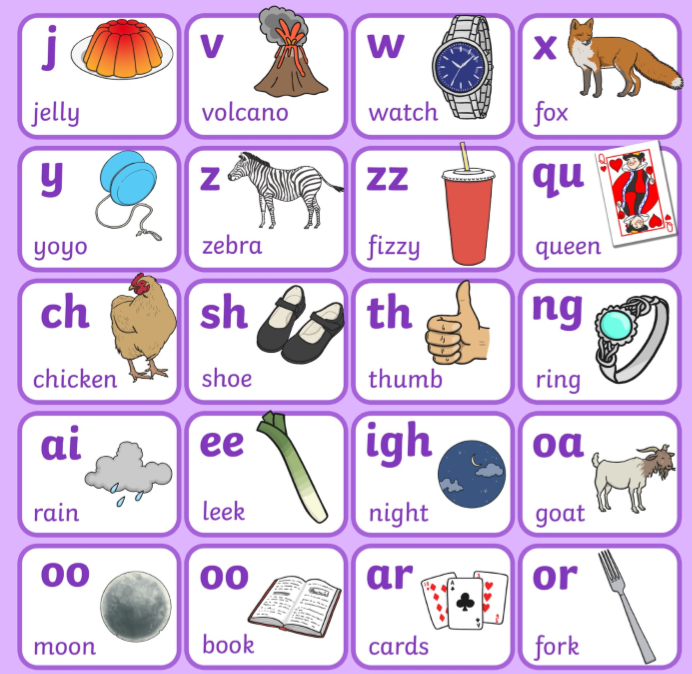
Phonics is a fundamental part of early literacy, but how it is taught is just as important as the content itself. Effective phonics instruction helps students connect letters with their corresponding sounds and understand how these sounds combine to form words. When taught clearly and consistently, phonics gives young learners the tools they need to approach reading with confidence.
One of the most effective ways to teach phonics is through explicit instruction. This means clearly introducing a sound, modelling how it is pronounced, and showing students how it appears in written form. For example, a tutor might introduce the sound “s,” say the sound aloud, write the letter on the board, and then practise identifying it in simple words. This direct approach helps students form a strong connection between the sound they hear and the letter they see.
Repetition is also an important part of phonics teaching. Young learners benefit from hearing and practising sounds multiple times. Repeating sounds, blending them together, and revisiting them in different words helps reinforce understanding and build automatic recognition.
Another key strategy is teaching students how to blend sounds. Instead of reading a word all at once, students are guided to say each sound slowly and then bring them together to form the word. For example, the sounds “c,” “a,” and “t” can be blended to read “cat.” This skill allows students to decode unfamiliar words independently.
Using visual aids and hands-on activities can also strengthen phonics learning. Writing sounds on a board, using flashcards, or having students move letters to build words helps make learning more interactive and memorable.
Demetria Koutavas