

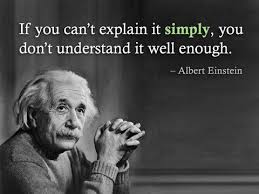
Many students believe learning means reading notes, highlighting textbooks or completing practice questions repeatedly. While these activities can help, one of the most powerful learning strategies is often overlooked. Explaining a concept out loud is one of the most effective ways for students to deepen their understanding and identify gaps in their knowledge.
When students try to explain something in their own words, they move beyond memorisation. Instead of simply recognising information, they must organise their thoughts, connect ideas and communicate the logic behind the concept. This process forces the brain to work more actively. If a student truly understands a topic, they should be able to describe it clearly without relying on a textbook or notes.
This technique is useful across every subject. In maths, students can explain each step of a problem and why it works. In science, they can describe processes such as photosynthesis or chemical reactions using their own language. In English, they can talk through the meaning of a text or the reasoning behind an argument in an essay. Speaking through ideas helps students transform passive knowledge into genuine understanding.
Explaining concepts also reveals where confusion still exists. When students reach a point where they cannot describe the next step or struggle to justify their reasoning, it becomes clear that further review is needed. This is far more helpful than discovering misunderstandings during an assessment.
Tutoring sessions naturally encourage this kind of thinking. Tutors often ask students to walk through their reasoning, explain why they chose a particular method or summarise what they have just learnt. This approach helps students become active participants in their learning rather than simply receiving information.
Students can practise this strategy at home by explaining topics to a parent, sibling or even to themselves. Speaking aloud may feel unusual at first, but it quickly becomes a powerful study tool. By regularly explaining ideas in their own words, students strengthen memory, improve clarity of thought and develop the confidence to apply their knowledge in new situations.
Freddie Le Vay