

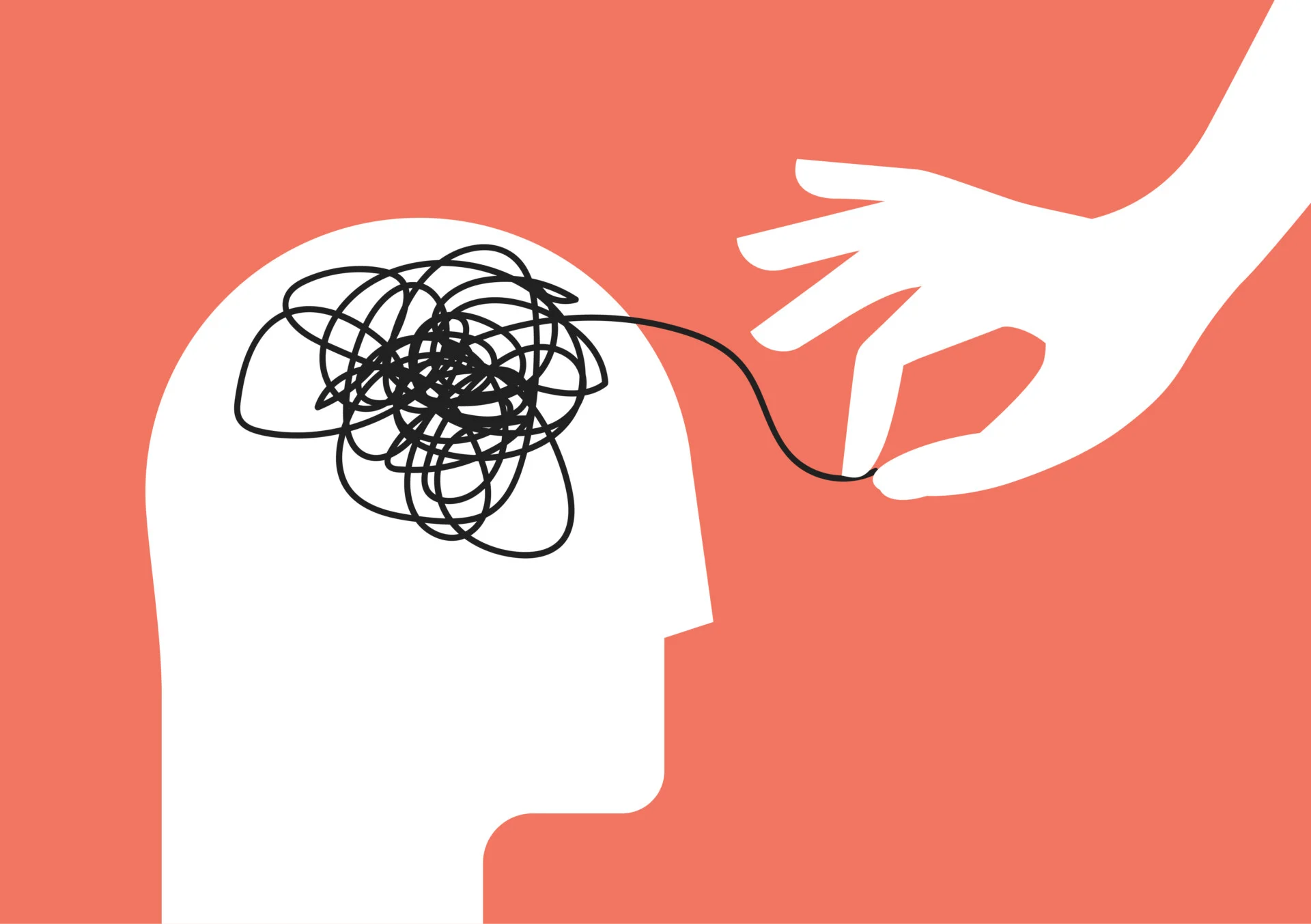
Most people think tutoring is a simple exchange: a student has a gap in their knowledge, and the tutor fills it with a formula or a syllabus dot point. But if you’ve spent enough time sitting across from a Year 12 student struggling with Extension Math or Physics, you realize the knowledge gap is rarely the real hurdle. The real barrier is usually a confidence gap.
I’ve noticed a recurring theme in my sessions lately. A student can have all the right tools and worked solutions but they’ll sit frozen in front of a difficult projectile motion problem. It’s not that they don’t know the equations; it’s that they don’t trust their own ability to choose the right one. They are terrified of starting the problem “wrong.”
The most unique part of this job isn’t the teaching; it’s the psychology behind it. My favorite sessions aren’t the ones where we cover five different sub-topics. They are the ones where we spend forty minutes on a single, brutal exam question. Instead of rushing, we sit with the frustration. I let them make the wrong turn in their algebra, let them see why it doesn’t work, and then let them find the path back.
As tutors, we focus so much on Band 6 results and ATAR targets, but the real win is helping a student realize they are actually much smarter than they think they are. If a student walks into their trials feeling like they own the paper, the tutoring has done its job.
Justin Ho