

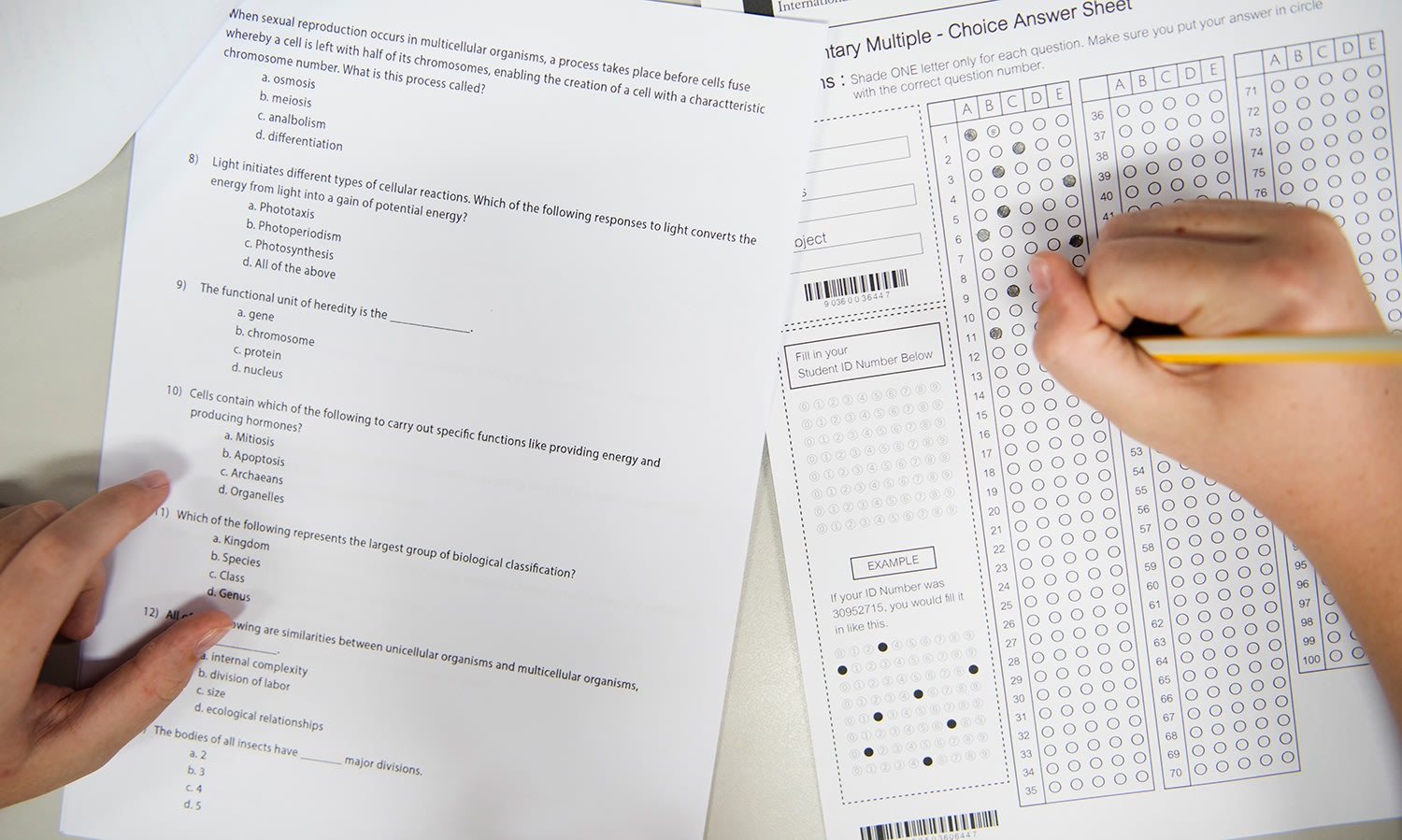
The NAPLAN is an important milestone for Australian students in years 3, 5, 7 and 9, and involves exams in reading, writing, language conventions, and numeracy. It is usually conducted throughout the month of March, though the exact dates can differ from school to school. While the tests can feel intimidating for both parents and students, it is important to understand its purpose and how best to prepare, both in tutoring sessions and at home.
NAPLAN is designed to measure how well students are developing essential literacy and numeracy skills over time. Diagnostically, the NAPLAN is an extremely helpful tool for parents, tutors and teachers to understand the specific strengths and weaknesses of students.
Many students, especially those that are not used to a formal exam environment, may perform less strongly than they are capable of, due to the stress of the exam environment and the challenge of facing the new types and styles of questions that the NAPLAN aims to ask. Due to this, the focus of NAPLAN preparation should be on familiarising students with the style of questions and the environment of the NAPLAN.
It is also important to build strong foundational skills such as critical thinning and comprehension skills. This form of preparation, rather than memorising specific techniques or answers, allows the tests to remain diagnostically important, whilst eliminating the errors and mistakes that often arise due to the conditions of the exam.
Managing stress is another key part of navigating NAPLAN. Students should be reminded that the test does not define their abilities or future success. Getting enough sleep, eating a healthy breakfast, and arriving at school prepared can help students feel more focused and relaxed during the assessment.
Finally, the most important part of the NAPLAN exams is what happens when the results come back. The NAPLAN results can be immensely important for tutors to tailor their sessions around the specific needs and weaknesses of their students.
Ceara Kearnes