

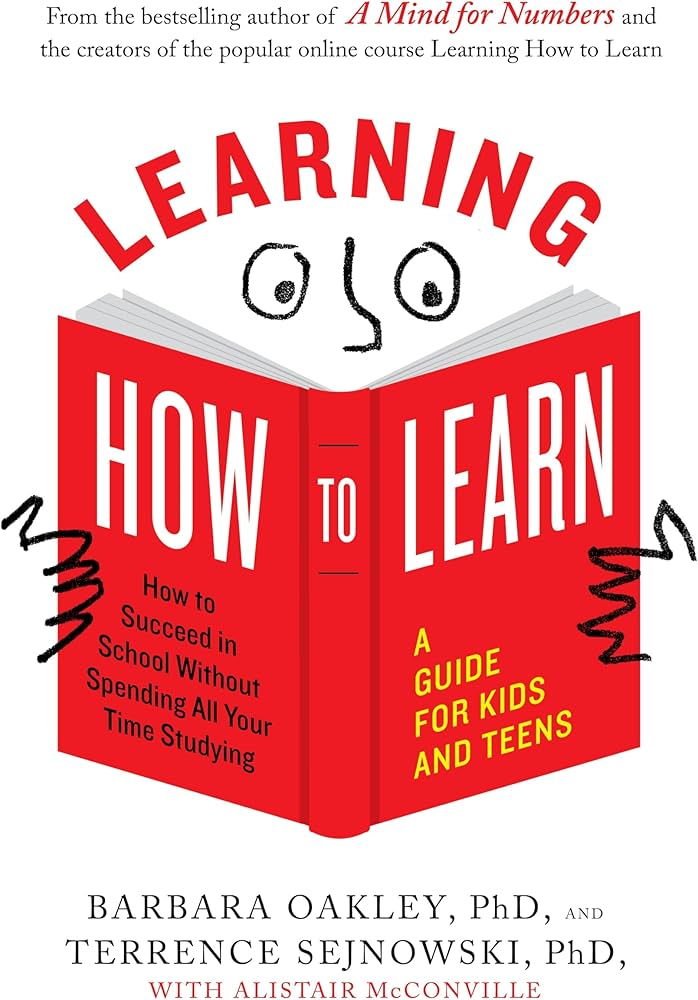
One of the most common things students say is “I studied for hours, but I still didn’t do well.” While this can be frustrating, the issue is often not the amount of time spent studying, but how that time is used. Learning how to study effectively is one of the most important skills a student can develop, yet it is rarely taught directly.
Many students rely on rereading notes, highlighting textbooks, or copying out answers. These methods feel productive, but research shows they are some of the least effective ways to learn. They create familiarity, not understanding. Being able to recognise information is very different from being able to recall it under exam conditions.
More effective study techniques focus on active learning. One example is retrieval practice, which involves testing yourself without notes. This could be answering practice questions, explaining a concept out loud, or writing everything you remember on a blank page. This method strengthens memory and helps identify gaps in understanding early.
Another powerful strategy is spaced practice. Instead of cramming the night before a test, spreading study sessions over days or weeks leads to better long-term retention. Even short, consistent sessions are more effective than one long study block. This also reduces stress and burnout, especially during busy assessment periods.
Students also benefit from reflecting on mistakes. Instead of avoiding incorrect answers, analysing why something went wrong can lead to deeper understanding. Errors are often where the most learning happens, as long as students engage with them properly.
Developing strong study habits takes time and experimentation. What works for one student may not work for another, but being intentional about study techniques can make a huge difference. Learning how to learn is not just about improving grades. It builds confidence, independence, and skills that carry through to senior school, university, and beyond.
Samin Hossain