

Every student learns differently, and understanding the way you learn can make studying feel easier, more enjoyable, and far more effective. School often focuses on traditional methods like reading and writing, but there are many other learning styles and strategies that students can explore to get the most out of their education.
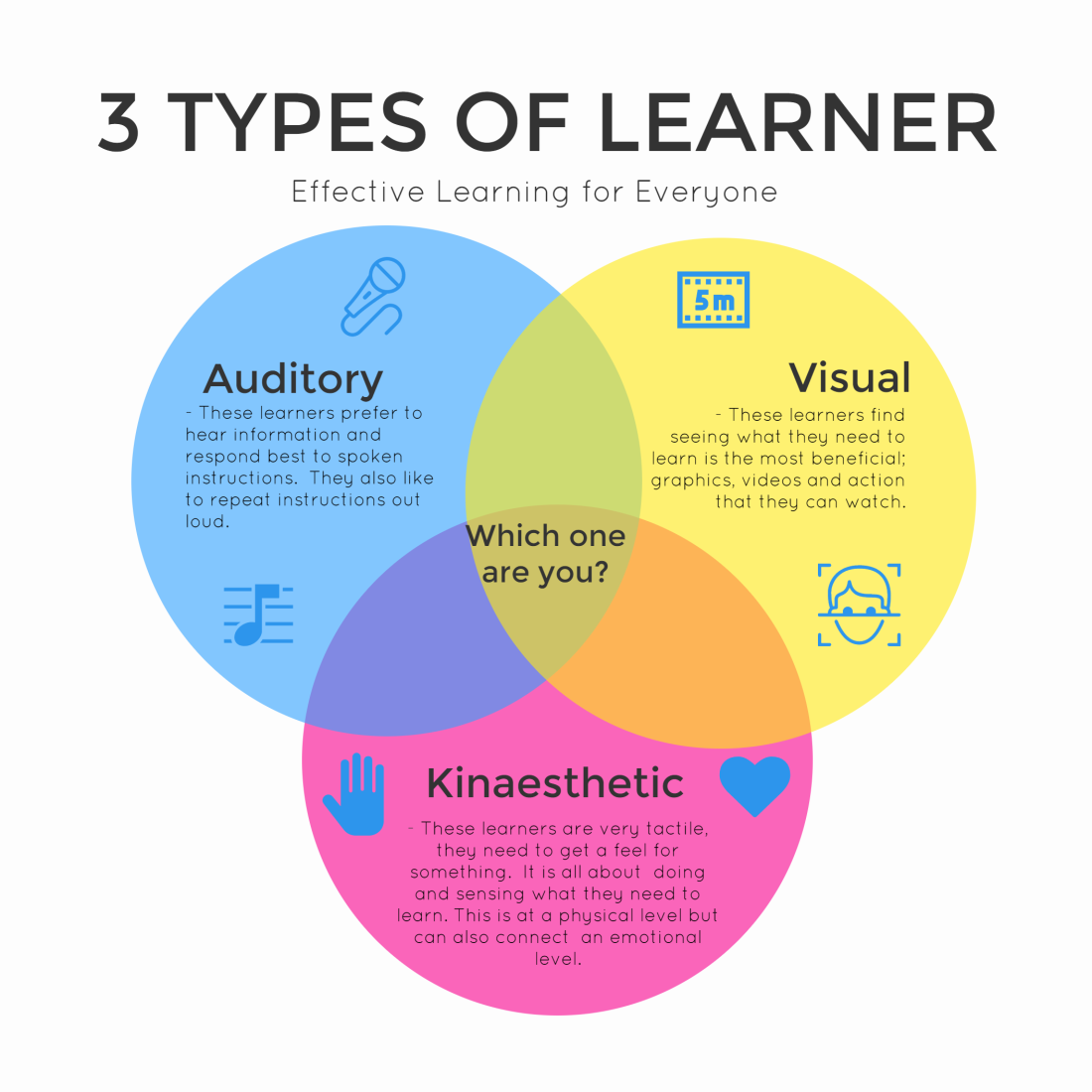
One popular approach is visual learning, where students understand information best through images, diagrams, and videos. Visual learners benefit from mind maps, colour-coding notes, and watching demonstrations. This method turns complex ideas into clear, easy-to-see concepts.
Another effective style is auditory learning, which involves listening and speaking. These learners remember information well through discussions, podcasts, oral explanations, or even reading notes aloud. Participating in class conversations or explaining a topic to a friend can significantly boost understanding.
For students who learn by doing, kinaesthetic learning is ideal. This style focuses on hands-on activities—such as experiments, building models, role-playing, or using physical objects to understand ideas. Kinaesthetic learners may also find short movement breaks helpful to stay focused.
Many students use a combination of these styles. For example, someone might enjoy watching a video (visual) but also need to talk it through with a classmate (auditory) before completing a practical task (kinaesthetic). Mixing techniques can make study sessions more engaging and memorable.
Technology also offers new ways of learning, from interactive apps and online quizzes to virtual tutoring and educational games. These tools can support different learning styles while making study time fun and flexible.
Ultimately, the key is to experiment. Try new strategies, pay attention to what helps information “stick,” and build a study routine around your strengths. When students understand how they learn best, they become more confident, motivated, and successful—both inside and outside the classroom.
Alexander Nikitopoulos