
We don't have online enrolment, because we want first to talk.
Please fill this in the form below, and then we'll walk the walk.
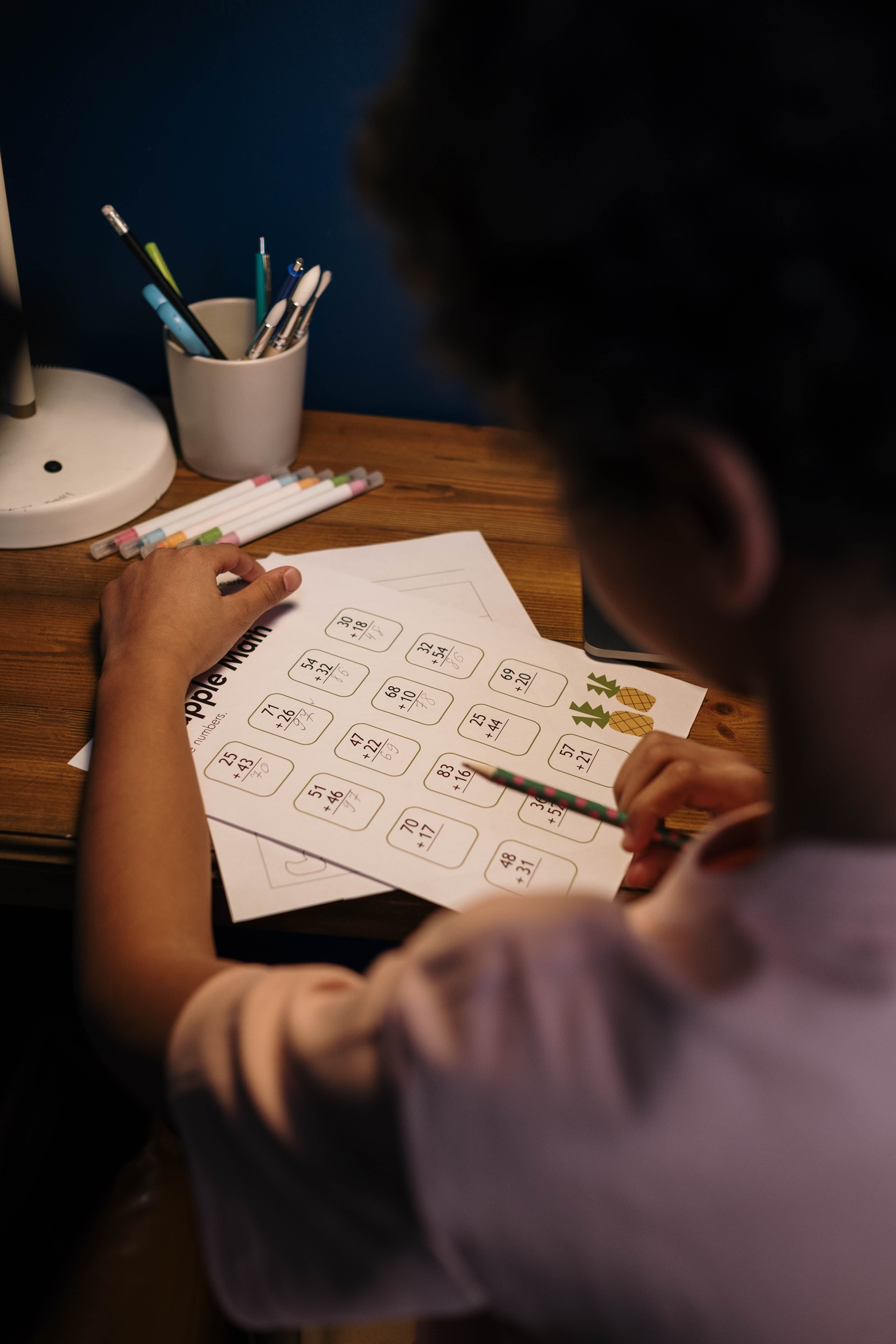
Learning is often presented as remembering individual pieces of information, but many subjects become much easier when students start recognising patterns. A pattern might be a repeated structure in a mathematical problem, a relationship between scientific concepts or a common way an author develops an idea. Recognising these patterns helps students move beyond memorising what they have seen before.
In mathematics, for example, students may encounter many questions that look different on the surface but require the same underlying method. A student who focuses only on memorising individual examples can become stuck when the numbers or wording change. A student who notices the pattern can recognise what the question is really asking and decide which strategy is appropriate.
The same principle applies across other subjects. In science, students can look for relationships between variables or recurring processes. In English, they might notice how particular techniques contribute to themes or character development.
One useful way to develop this skill is to compare examples. Rather than completing ten questions without stopping, students can pause occasionally and ask: What is similar about these questions? What has changed? Why does the same approach work here? These questions encourage students to look beneath the surface.
Tutoring can be particularly useful in developing this kind of thinking. A tutor can place different examples side by side and help a student identify the features they have in common. Instead of simply showing students how to solve one difficult question, they can encourage them to recognise the clues that will help them approach similar questions independently.
Pattern recognition also makes revision more efficient. Once students understand the relationships between ideas, they do not need to treat every piece of information as completely separate. Knowledge becomes more connected, making it easier to recall and apply.
The goal is not to make every question look the same. It is to help students become better at noticing what remains consistent when the surface details change. Learning to spot those connections can turn unfamiliar problems into opportunities to use knowledge students already have.

