
We don't have online enrolment because we'd like to talk to you first.
Please fill this in the form below, and then we'll walk the walk.
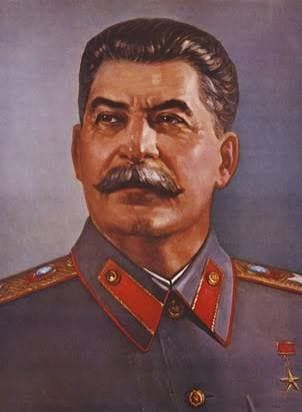
My favourite subject in Years 11 and 12 was by far Modern History, in particular the study of the tumultuous and dynamic 20th century.
This historical period spanned across the First World War, the Treaty of Versailles, the Russian revolutions, the Weimar period, the rise of fascism and communism, and the Second World War. The importance was thus contained mainly in the first half of that century.
It was unprecedented in every way: the advent of two totally destructive, industrially driven wars that left "no human life untouched" in the words of historian Antony Beevor, the inception of new and destructive extreme ideologies, and their consequent totalitarian governments. This is just the political history - the vast social and cultural history is completely untouched.
Many people understand these topics yet do not see the value in a comprehensive analysis of the period. However, this is a misunderstanding of the importance of historical analysis. If one was to study the campaigns of an obscure general, then perhaps we can overlook the broader historical significance without too much consequence. The dictatorships and wars of the 20th century are much more important, however, and require a closer understanding to be able to appreciate the political, social, military and economic forces which shaped the world and continues to shape it.
To present a few examples:
Did you know that Stalin adopted a kind of free market capitalism in the early years of his reign in the USSR? This was done to mitigate the severe material and human toll of "war communism" and collectivisation as implemented by Lenin.
Did you know that Hitler and the Nazi Party actually secured less votes in the November 1932 election than they had secured in the initial March 1932 election? Hitler then began a furious campaign including both "bully" tactics as well as powerful oratory demonstrations to curry support in the upcoming elections.
We can see that the political milieu here was multifaceted and complex. The factors that shaped their world also shape ours, perhaps in less extreme ways now.


Ready when you areReach out anytime
Leave your details and we'll call you back, or send us a message. It's just a friendly conversation to get started.
We don't have online enrolment because we'd like to talk to you first.
Please fill this in the form below, and then we'll walk the walk.