
We don't have online enrolment because we'd like to talk to you first.
Please fill this in the form below, and then we'll walk the walk.
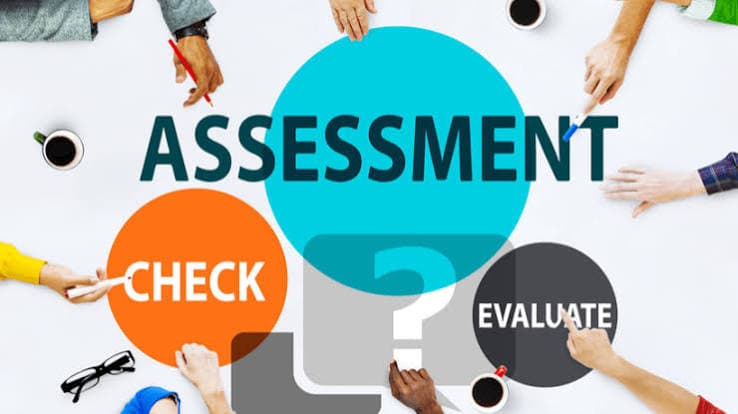
Assessment in schools is often understood in terms of its output: a grade, a pecentile ranking or a pass or fail. This understanding is narrow and in many cases counterproductive to the actual goals of education.
Assessments have two distimct functions that are frequently conflated. Summative assessment evlauates what a student has learned at the end of the study period. It is retrosepctivre and conclusive: an exam at the end of term or a final grade in a class. Formative assessment is in contrast an ongoing and forward-lookign. It aims not to measure. a final outcome but to learn on mistakes and improve on the learning process while it is still happening.
The problem with overreliance on summative assessments is that is provides feedback too late to be useful to the student. A grade given after a subject is already finished or the year is over doesnt teach students how to improve but instead only tells them where the finished in the class. For many students this infomration arrives precsiely when they are least likely to act on it.
Formative assessments when used well are a fundamentally different type of tool. A teacher who regularyl checks for understanding through low stakes quizzes or responses can identify misconceptions while they are still correctable and able to be fixed. This is whats known as responsive teaching and is the opposite of just going off a fixed curriculum.
Assessment for learning instead of assessment of learning changes the relationship between student and evalitaion. Redesigning assessment systems is a slow and tedious process. But individual teachers can shift the balance can shift the balance in their own classrrosm before waiting for institutional change. Even modest increases in formative and summative feedback can produce meaningful improvements in how students experience and engange with their own learning.


Ready when you areReach out anytime
Leave your details and we'll call you back, or send us a message. It's just a friendly conversation to get started.
We don't have online enrolment because we'd like to talk to you first.
Please fill this in the form below, and then we'll walk the walk.