
The Psychology of Motivation: Why do we procrastinate and how do we stop it?
We don't have online enrolment because we'd like to talk to you first.
Please fill this in the form below, and then we'll walk the walk.
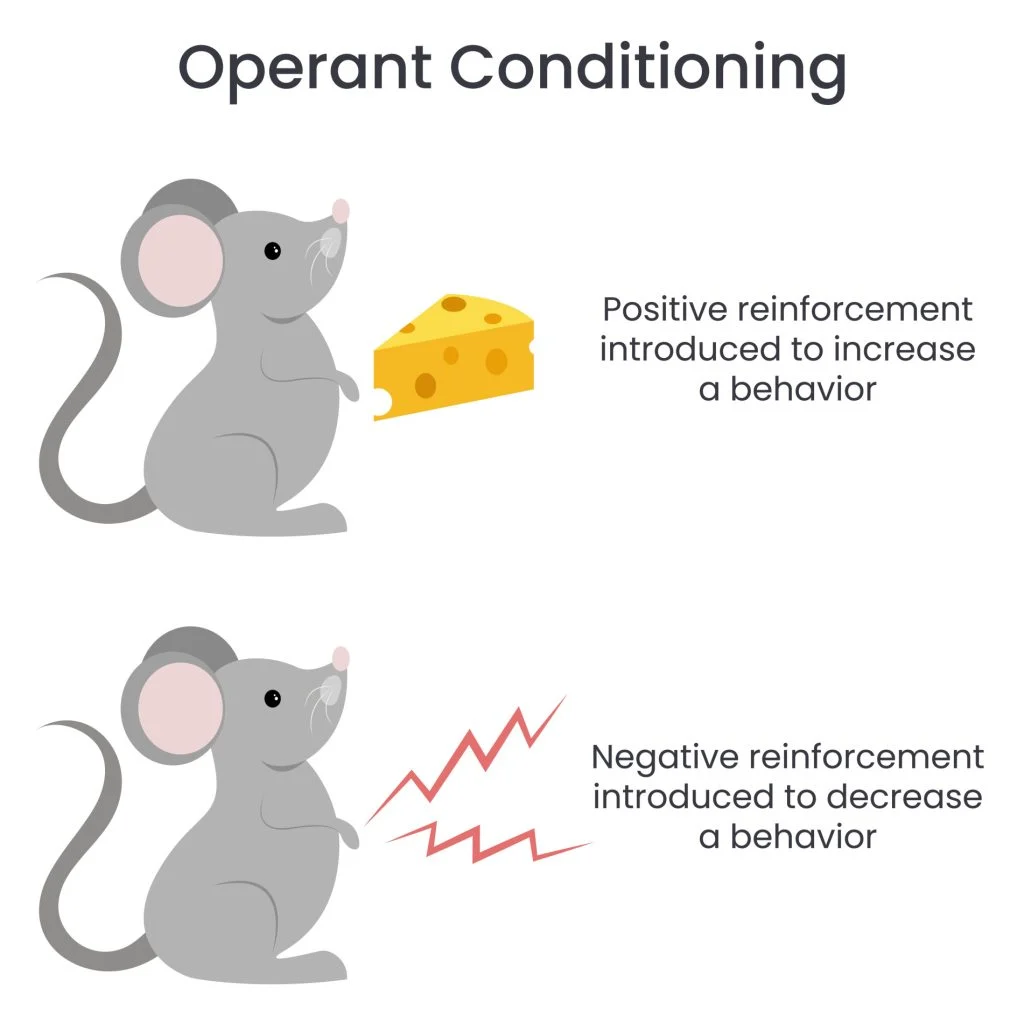
Everyone procrastinates, and we are all familiar with the struggles of cramming last minute for exams. If we know procrastination brings unnecessary stress, why do we still do it? To understand why this age-old issue still exists, we need to examine the psychology behind it.
When we procrastinate, we use a form of operant conditioning, specifically negative reinforcement, to train our brains to associate procrastination with reduced anxiety. Operant conditioning is a method of learning in which voluntary behaviour is shaped by its consequences. Negative reinforcement is a form of operant conditioning that occurs when you remove an unpleasant stimulus, such as anxiety about exams, to increase a behaviour - like doom-scrolling instead of studying.
To overcome this issue, we must use the same mechanisms that make procrastination appealing to retrain our brains through positive reinforcement. Positive reinforcement adds a pleasant stimulus to increase a behaviour. For example, after 30 minutes of studying, reward yourself with your favourite snack or listen to your favourite song. Ensure these small rewards are immediate to train your brain to associate studying with positive feelings, increasing the likelihood you will study again.
Over time, consistently rewarding productive study behaviours can help make studying more rewarding and procrastination less appealing. By changing the consequences of our behaviour, we can gradually develop healthier study habits and reduce the stress associated with last-minute cramming.


Ready when you areReach out anytime
Leave your details and we'll call you back, or send us a message. It's just a friendly conversation to get started.
We don't have online enrolment because we'd like to talk to you first.
Please fill this in the form below, and then we'll walk the walk.