
We don't have online enrolment because we'd like to talk to you first.
Please fill this in the form below, and then we'll walk the walk.
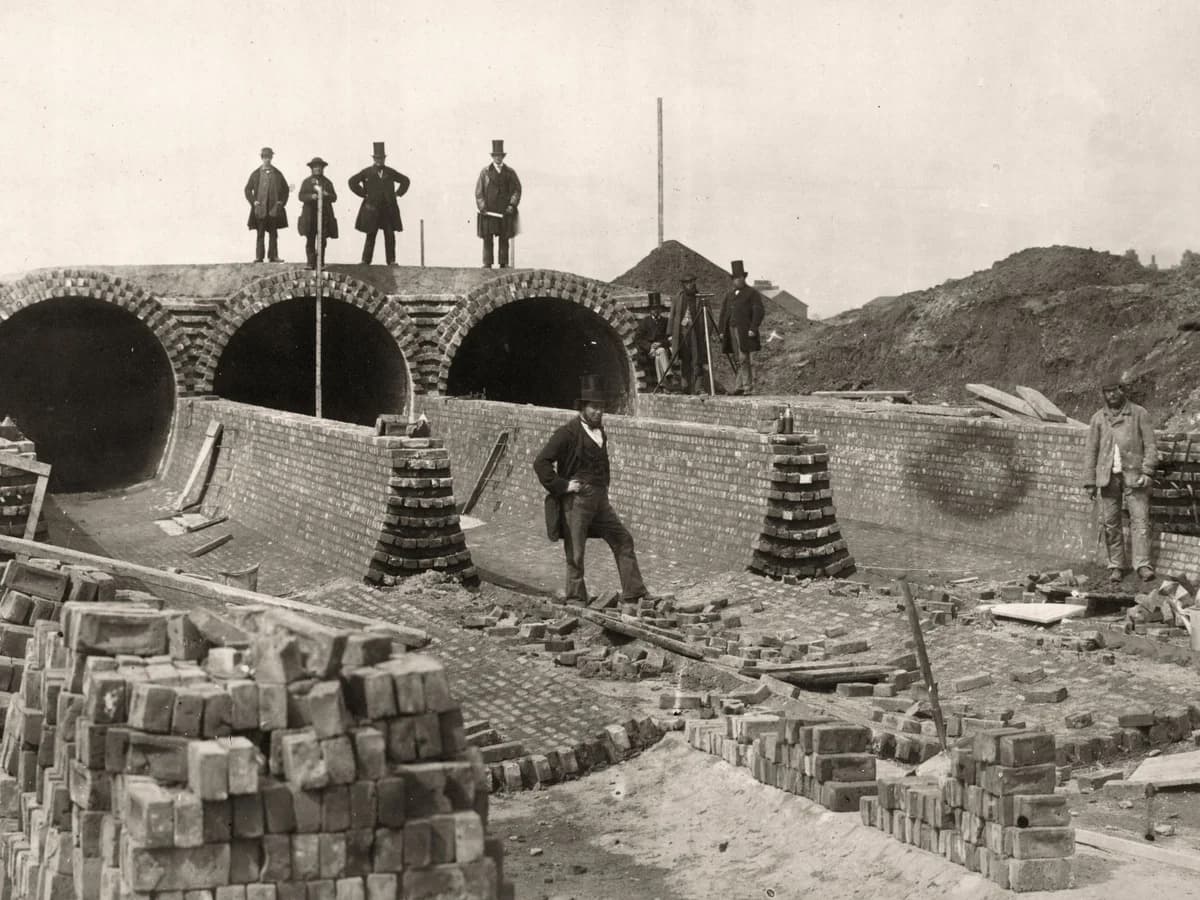
In the summer of 1858, London suffered one of the most unpleasant episodes in its history. The River Thames, into which the city had been dumping raw sewage for decades, became so foul that the smell drove people out of building along its banks. The event became known as the Great Stink.
The root of the problem lay in London's rapid growth. By the mid-nineteenth century the population had soared to over two million, and the introduction of flushing toilets meant far more waste was washing into old cesspits and drains that emptied straight into the river. Prevailing medical thought blamed disease on "miasma", or bad air, rather than contaminated water. Cholera outbreaks in 1831, 1848 and 1854 killed tens of thousands, yet most officials still misunderstood the cause, despite physician John Snow/s 1854 demonstration that a contaminated water pump in Soho was spreading the disease.
During the hot, dry summer of 1858, low water levels and high temperatures intensified the stench. Parliament, which sat beside the river, was badly affected. Curtains soaked in chloride of lime were hung over the windows of the Houses of Parliament in a failed attempt to block the smell, and politicians reportedly considered relocating to Oxford or St Albans. Suddenly, the issue was personal rather than abstract.
Within weeks, Parliament passed legislation giving the Metropolitan Board of Works authority to build a modern sewerage system. Civil engineer Joseph Bazalgette designed an enormous network of around 1770 km of street swerves feeding into 130 km of main intercepting sewers, which carried waste east of the city. Construction used over 300 million bricks and transformed London's infrastructure.
Ultimately, the system worked. Cholera outbreaks faded and much of Bazalgette's network remains in use today, though London's population increase required the Thames Tideway Tunnel as a modern supplement.


Ready when you areReach out anytime
Leave your details and we'll call you back, or send us a message. It's just a friendly conversation to get started.
We don't have online enrolment because we'd like to talk to you first.
Please fill this in the form below, and then we'll walk the walk.