
The Art of Turning a Big Assignment Into Small Decisions
We don't have online enrolment because we'd like to talk to you first.
Please fill this in the form below, and then we'll walk the walk.
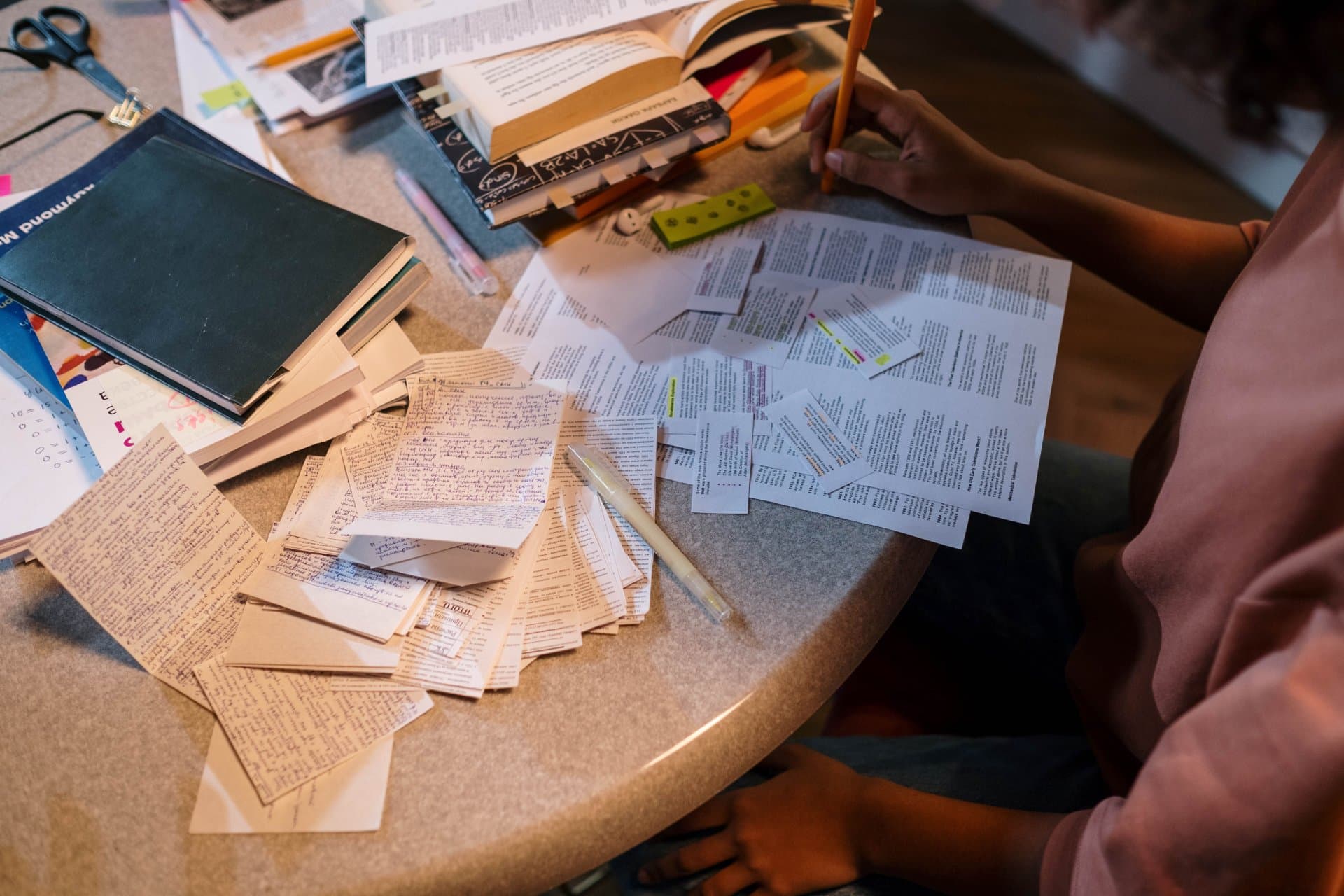
Large assignments can feel overwhelming before students have even started. A research project, an essay or a major presentation may involve so many requirements that it becomes difficult to see what to do first. When the whole task sits in front of them at once, students can spend more time worrying than making progress.
A helpful way to approach a large assignment is to treat it as a series of small decisions. Instead of writing “finish the assignment” in a planner, students can identify the next action: choose a topic, find two useful sources, make a rough plan or draft the opening paragraph. Each step is specific enough to begin without solving the entire task at once.
Breaking work down is not just about making a long checklist. It also helps students decide what matters and when. They can work backwards from the due date, allow time for research and drafting, then leave space to review their work. This makes hidden stages visible and reduces the chance of discovering too late that something important has been overlooked.
It is useful to keep the first step small. “Research the topic” can still feel vague, while “read the task sheet and write down three questions to investigate” gives a clear starting point. As students complete each action, they can reassess what comes next rather than expecting to plan every detail perfectly from the beginning.
Tutoring can support this process by helping students unpack an assignment, clarify its requirements and choose a realistic next step. A tutor can also help students distinguish between work that needs attention now and tasks that can wait. Gradually, students can learn to organise their workload with more confidence and independence.
Big assignments rarely become manageable all at once. They become manageable through a sequence of decisions, each small enough to act on. When students stop asking, “How am I going to finish all of this?” and start asking, “What is the next useful thing I can do?”, getting started becomes much easier.


Ready when you areReach out anytime
Leave your details and we'll call you back, or send us a message. It's just a friendly conversation to get started.
We don't have online enrolment because we'd like to talk to you first.
Please fill this in the form below, and then we'll walk the walk.