
Teaching high school students to prioritise their work
We don't have online enrolment because we'd like to talk to you first.
Please fill this in the form below, and then we'll walk the walk.
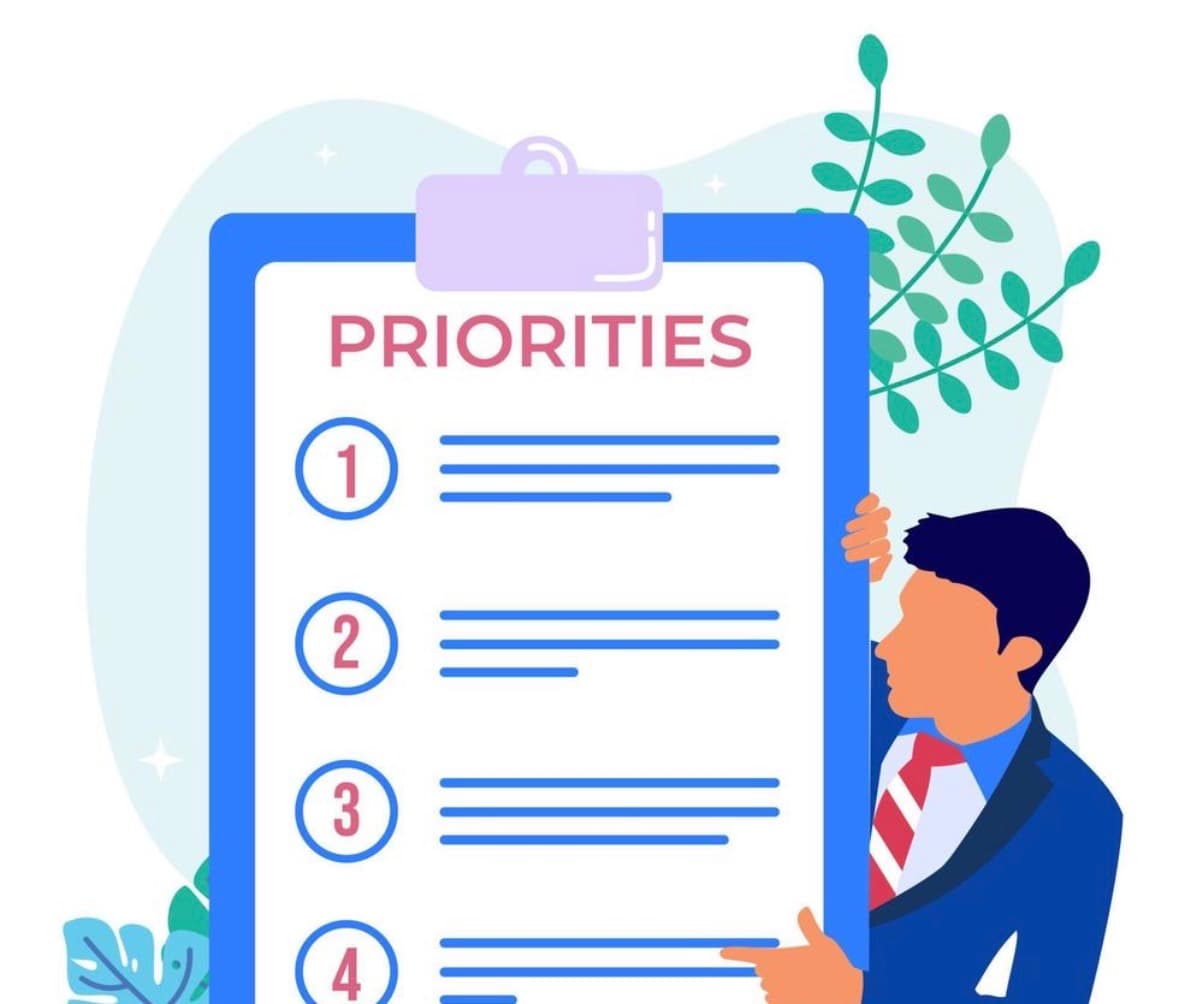
As student students progress through high school, they are often required to manage several subjects, assessments, homework tasks and exams at the same time. An important role of tutoring is therefore not only helping students understand academic content, but also teaching them how to prioritise their workload effectively.
Students can easily become overwhelmed when they have multiple tasks to complete. This can sometimes lead to procrastination or spending too much time on less important work. During tutoring sessions, helping students identify what needs their attention first can make their workload feel much more manageable.
One useful strategy is encouraging students to consider both urgency and importance. An assessment due in two days may require immediate attention while an exam several weeks away still requires regular preparation. Tutors can help students break larger tasks into smaller goals so they are not attempting to complete everything at the last minute.
Prioritisation is also useful within individual study sessions. For example students may naturally want to revise topics they already understand because they feel easier. However, identifying weaker areas and allocating more time to them can make study much more productive. Tutors can help students recognise where their knowledge gaps are and decide how they’re available time should be used.
Teaching this skill also encourages students to take greater responsibility for their learning. Rather than relying on parents, teachers or tutors to constantly remind them what needs to be completed, students gradually learn to organise their own academic responsibilities.


Ready when you areReach out anytime
Leave your details and we'll call you back, or send us a message. It's just a friendly conversation to get started.
We don't have online enrolment because we'd like to talk to you first.
Please fill this in the form below, and then we'll walk the walk.