
We don't have online enrolment because we'd like to talk to you first.
Please fill this in the form below, and then we'll walk the walk.
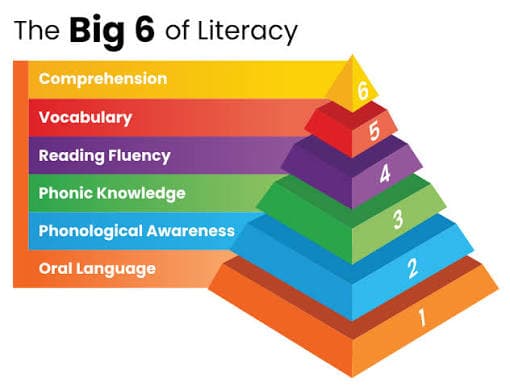
As tutors, we work hard to support our children to improve their literacy. But what exactly does literacy look like? It is much more than getting our kids to read more books and write more words. Literacy includes reading, spelling, writing, vocabulary and comprehension. As a tutor with a background in speech pathology, we know that oral language is a huge part of literacy development. Before children can confidently understand and use written language, they need a strong foundation of vocabulary, sentence structure and listening skills. Here are some strategies from a speech pathology perspective that can be integrated into your session to support a strong foundation for literacy. 1. Talk before writing: Before beginning a writing task, spend a bit of time talking about what you already know about the topic. You can ask them questions such as "What word could we use to be more specific? How can we truly convey what we mean through words?" This gives students a chance to practice generating and using specific vocabulary, organise their thoughts and hear how sentences are structured before they begin writing on paper. 2. Make spelling meaningful: Rather than teaching our students to memorise dictionaries, teach them to recognise spelling patterns and morphemes (meaningful parts of words such as suffixes, tenses). For example, look at words such as 'jumped, helped, played' and talk about the meaning of adding -ed on the end of verbs. You can also ge the student to explain patterns back to you, this will help them understand and remember better. 3. Check their understanding: After reading a passage or writing their own, ask them questions that go beyond basic recall. You might ask them about why certain events happened, why characters acted the way they did, what might happen next, how else could they solve a problem. These questions encourage children to make connections, infer, predict and justify their thinking, deepening their understanding of texts and supporting them to write better.


Ready when you areReach out anytime
Leave your details and we'll call you back, or send us a message. It's just a friendly conversation to get started.
We don't have online enrolment because we'd like to talk to you first.
Please fill this in the form below, and then we'll walk the walk.