
We don't have online enrolment because we'd like to talk to you first.
Please fill this in the form below, and then we'll walk the walk.
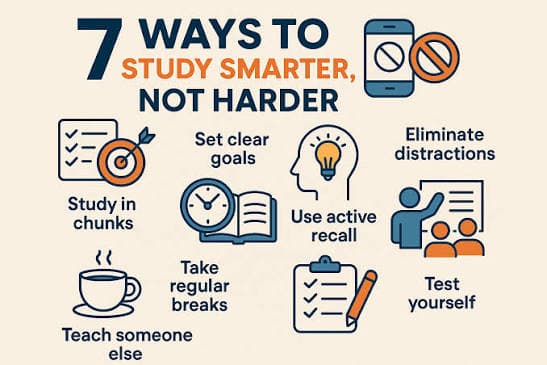
We've all been in the situation of feeling like you've hit a wall when studying. You sit down to study, tell yourself you're going to get through three chapters of your mandatory novel, and then somehow two hours later you've spent most of your time looking at the same page or scrolling on your phone.
The truth is, studying for longer doesn't always mean you're learning more. What really matters is how you study.
One of the biggest things I've noticed with students is that they often spend a lot of time simply reading over their notes. While this can be useful, it isn't always the best way to remember information. Instead, try testing yourself. Close your notes and see how much you can explain from memory. If you get something wrong, go back and check it. It might feel harder, but that's actually part of the learning process.
Another simple tip is to break your study into smaller sections. Trying to learn everything in one sitting can become overwhelming, especially when you have multiple subjects to keep up with. Setting a goal for one topic or a few questions at a time makes studying feel much more manageable.
And don't underestimate taking breaks. Your brain needs time to process information, so stepping away for 10-15 minutes can be much more productive than forcing yourself to keep going when you're completely exhausted.
Most importantly, don't be afraid to ask for help. Sometimes you can spend hours trying to understand something on your own when a quick explanation from a teacher or tutor can make it click.
Studying doesn't have to mean spending every spare hour at your desk. Finding methods that work for you, staying consistent, and focusing on actually understanding what you're learning. A smarter study session will usually beat a longer one.


Ready when you areReach out anytime
Leave your details and we'll call you back, or send us a message. It's just a friendly conversation to get started.
We don't have online enrolment because we'd like to talk to you first.
Please fill this in the form below, and then we'll walk the walk.