
We don't have online enrolment because we'd like to talk to you first.
Please fill this in the form below, and then we'll walk the walk.
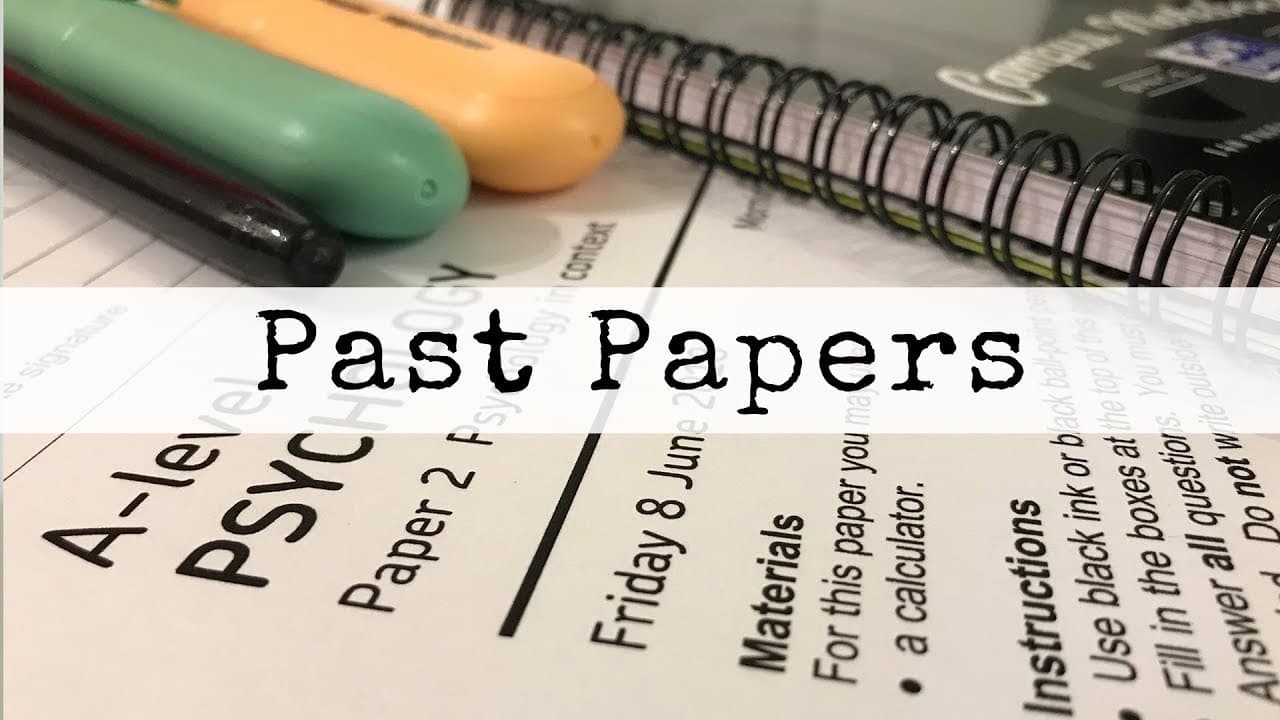
Revising for assessments can feel both daunting and a problem students would love to avoid. It is easy to put revision aside and tell yourself, "I will start revising when exams are closer". However, when students leave revision until the last weeks before the assessment, it can be much more stressful than it needs to be.
One of the most effective ways to prepare for exams is by regularly completing past papers. Past papers allow students to move beyond simply reading over notes and actually putting into practise what they have learnt. It can help them identify the types of questions they tend to struggle with, understand how marks are awarded and become familiar with the structure and wording of an exam.
Importantly, students do not need to wait to an exam block to start revision. Completing questions each week can make a difference. As a student moves through the school term, tutors can gradually increase the amount of time they spend completing past paper questions. By doing this, it can help prevent last minute cramming and gives students and the tutor areas that need more work to ensure improvement.
Past papers are also a great way to track student progress. After completing a paper, a student should not just check the answers and move on they should take the time to identify mistakes and work out why they made them. Keping a list of topics or question types that they may find difficult can even help with structuring a tutoring session. This will allow a tutor to be able to really target the areas a student is struggling with. Over time, the student should see fewer repeated mistakes and greater confidence in completing past papers.
Notably, consistency also matters with cramming. Allocating revision sessions with your students throughout the term can help with students not having to relearn content in the final weeks. By the time exam blocks arrive for students, they will already have developed familiarity with the content and exam-style questions. Overall, by putting in the effort now students will see the reward later in their marks.


Ready when you areReach out anytime
Leave your details and we'll call you back, or send us a message. It's just a friendly conversation to get started.
We don't have online enrolment because we'd like to talk to you first.
Please fill this in the form below, and then we'll walk the walk.