
We don't have online enrolment because we'd like to talk to you first.
Please fill this in the form below, and then we'll walk the walk.
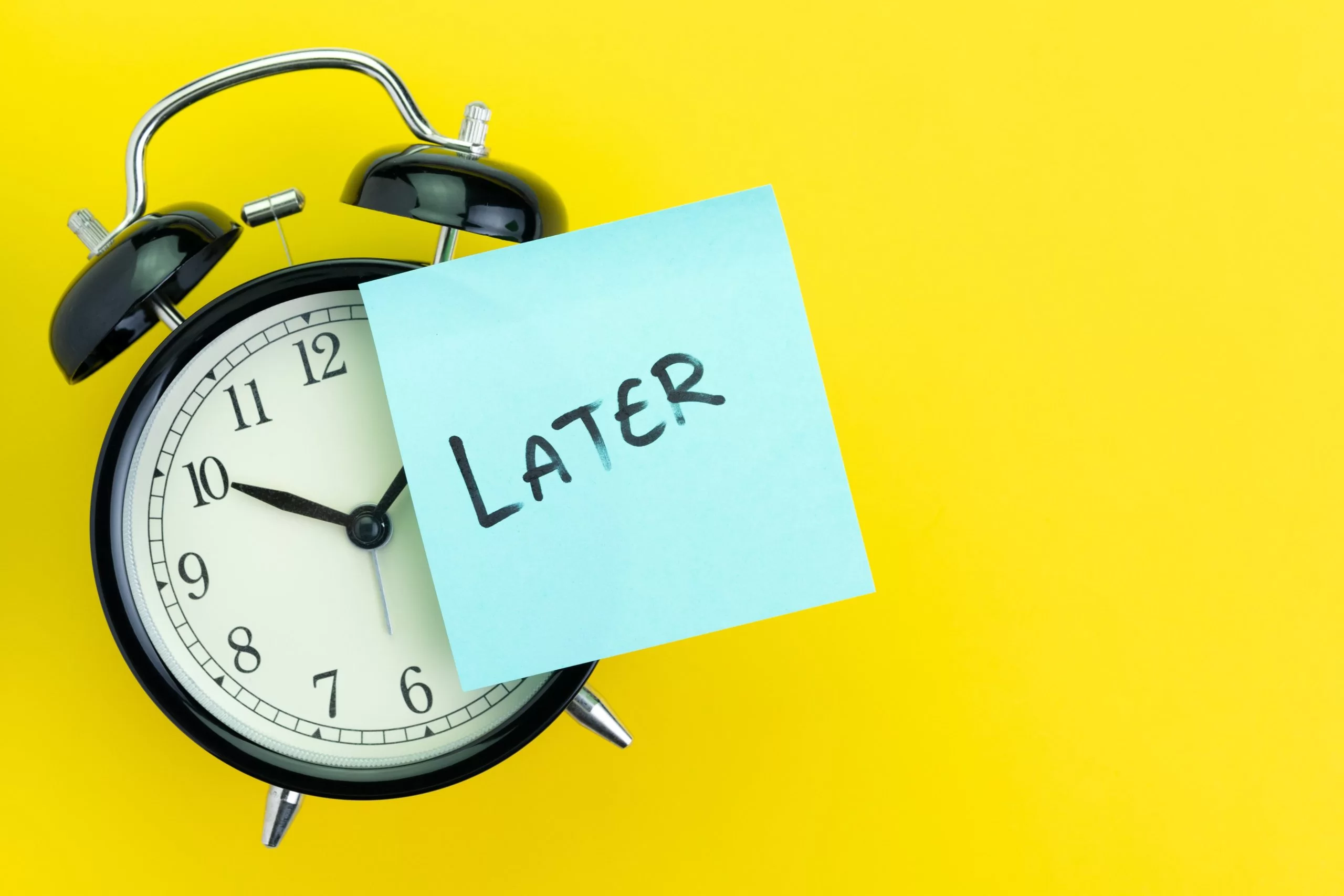
Procrastination is something that many students experience, particular when they are faced with a difficult or time consuming tasks. Whilst students who procrastinate are often labeled as being lazy or unmotivated, there are several psychological and biological reasons which explain why students tend to delay completing their work. The most significant reason is due to the brains preference for immediate dopamine hits over long term delayed rewards.
When students are given a task which they find difficult, boring or overwhelming, they are more likely to seek activities which provide them with immediate enjoyment. For example, scrolling through social media, watching youtube or playing video games provide an immediate sense of satisfaction and dopamine which is preferable over a long term reward. Furthermore, procrastination can be influenced by the way students perceive deadlines. When an assignment is due several weeks away, the consequences of not completing the task immediately may not seem significant. In the students brain, they can always do it later. However, as the deadline becomes closer, the task becomes more urgent and students are therefore more likely to begin working. Supporting this, procrastination is often associated with difficulties in regulating emotions, as students may avoid tasks which cause feelings of stress or anxiety. These feelings will often get more and more severe as time goes on without the task being completed.
However, procrastination can be reduced by making tasks appear more manageable. Rather than attempting to complete a large amount of work at once, students can divide their work into smaller sections. This reduces the feeling of being overwhelmed and makes it easier to complete the task.
Therefore, whilst procrastination may appear to be a lack of motivation, it is often influenced by how the brain responds to rewards, emotions and deadlines. Understanding these factors can allow students to develop strategies which help them overcome procrastination and improve their learning.


Ready when you areReach out anytime
Leave your details and we'll call you back, or send us a message. It's just a friendly conversation to get started.
We don't have online enrolment because we'd like to talk to you first.
Please fill this in the form below, and then we'll walk the walk.