
We don't have online enrolment because we'd like to talk to you first.
Please fill this in the form below, and then we'll walk the walk.
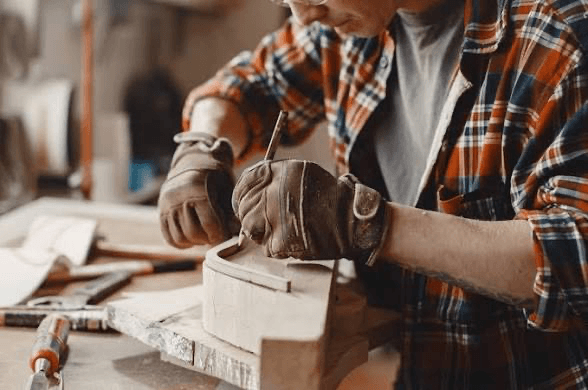
Some of the fondest memories I have from high school are of carefully crafting in the workshop. It provided a much needed respite from the classroom, and was incredibly rewarding. I was able to create something practical, useful and tangible as a product of my freedom within planning and labouring.
These technology subjects such as woodworking and metalworking are very important for developing the creative and pragmatic skills of students. I am glad to see that schools need no encouragement to promote this kind of education in schools. The technology subject sphere has greatly increased to include almost all conceivable technologies and practical applications, including aeronautics and marine engineering.
These subjects which deal with craftsmanship go back to the dawn of pedagogy and curricular education in ancient Athens. The primary areas of learning for Athenian boys were mathematics, science, history, literature, art and creative endeavours, and athletics. Para-classroom activities were a core part of schooling from the very beginning.
The underlying reasons are to make students into well-rounded people with various developed abilities, but also to give students a chance to find their own unique talents which might lie outside of the traditional academic spheres.
Intellectual and academic prowess are not the sole forms of intelligence. Rather, the kinaesthetic sense of athletes, creative expression and craftsmanship are all indicators of intelligence in respective spheres.
Often students in schools are simply not aware of the opportunity to find their unique strengths in this respect. They are constantly reminded and encouraged to succeed in exams and academic work, but lose sight of equally important elements of education.
We should nurture and encourage students to demonstrate their creativity and understanding of practical or artistic skills. There is a reason that the ability to create something beautiful has been valued so highly for all of human history.


Ready when you areReach out anytime
Leave your details and we'll call you back, or send us a message. It's just a friendly conversation to get started.
We don't have online enrolment because we'd like to talk to you first.
Please fill this in the form below, and then we'll walk the walk.