
We don't have online enrolment because we'd like to talk to you first.
Please fill this in the form below, and then we'll walk the walk.
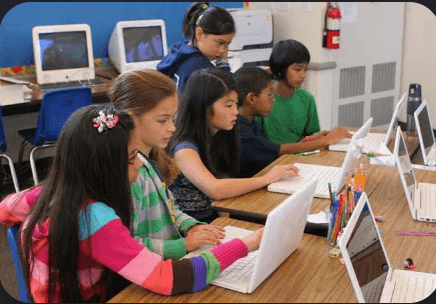
Technology has become an integral part of education, but is it actually making it better?
One of the biggest advantages of technology in education is accessibility. Students can access information almost instantly through online lirbraries, educational websites, and videos. Instead of relying solely on a textbook or techer, students can explore different explanations of the same topic until they find one that makes sense to them. This can make learning more flexible and personalised.
Technology can also make lessons more engaging. Interactive quizzes, educational games, videos and virtual simualtions can encourage students to participate rather than simply listen to a teacher speak. This becomes particularly useful in subjects such as history, where students can watch documentaries, or science where students can watch experiments that may be too dangerous to conduct in the classroom.
However, technology can also create challenges. Having access to unlimited information does not mean students know how to utilise it correctly. The internet contains unreliable, biased sources, which students need to evaluate whether the information is accurate or trustworthy.
Additionally, Artificial Intelligence can be used to brainstorm ideas, refine a students writing, or explain difficult concepts. However, students also tend to exploit AI, and in doing so use it to produce complete bodies of work with little effort/collaboration from the student.
Therefore, technology should not replace the teacher, but rather be used to enhance the student's learning experience. Instead of teachers banning technology in the classroom, they should teach their students the most effective ways to utilise it.


Ready when you areReach out anytime
Leave your details and we'll call you back, or send us a message. It's just a friendly conversation to get started.
We don't have online enrolment because we'd like to talk to you first.
Please fill this in the form below, and then we'll walk the walk.