
We don't have online enrolment because we'd like to talk to you first.
Please fill this in the form below, and then we'll walk the walk.
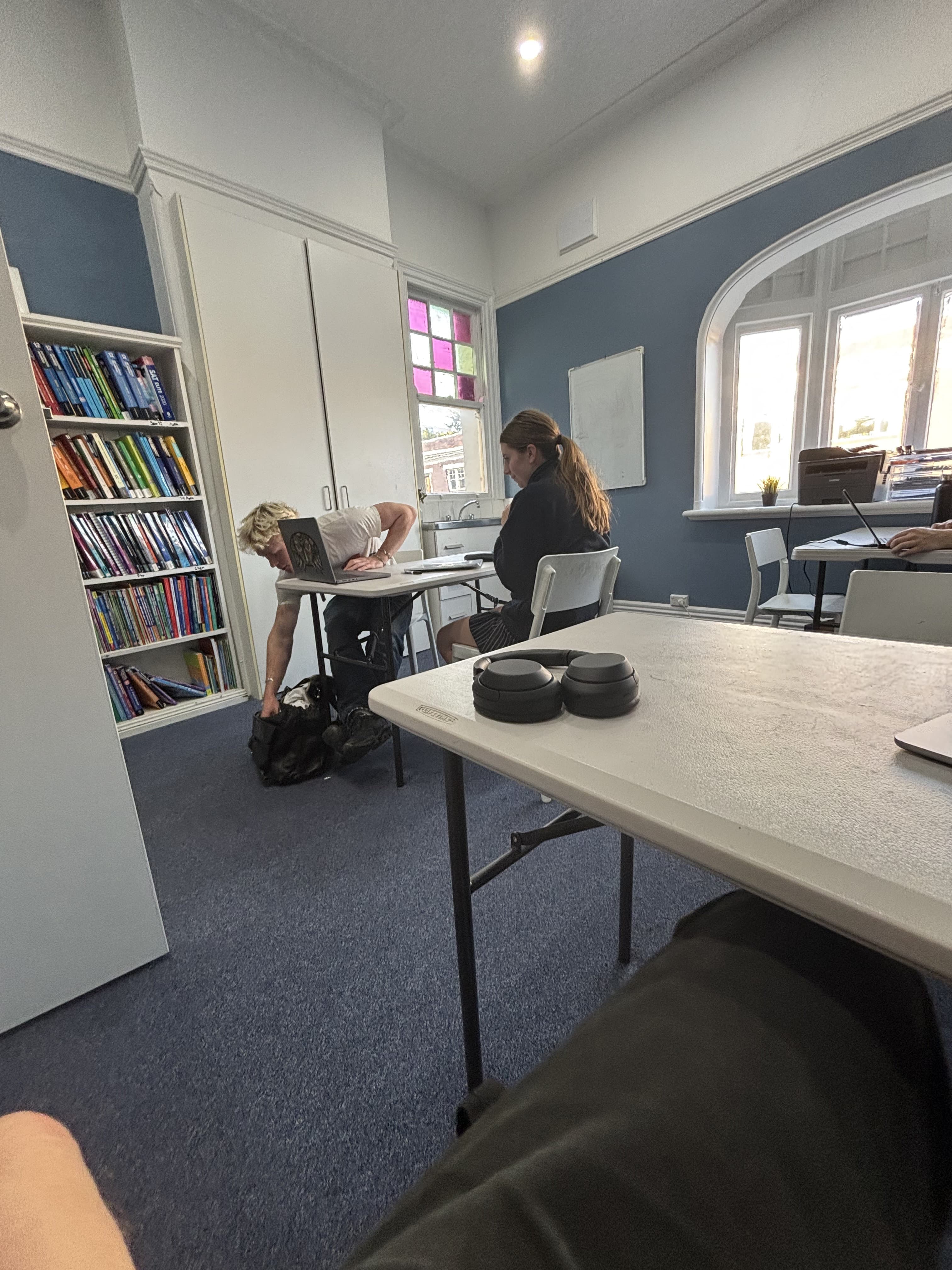
Today I had the opportunity to observe Oliver Fletcher during one of his Chemistry tutoring sessions. Although I personally do not study Chemistry, I found it really interesting to watch the way Oliver approached explaining difficult concepts and guiding his student through problems. Chemistry can obviously involve some quite complex ideas, but Oliver was able to make these concepts feel much more manageable by breaking them down into smaller and clearer steps.
At one point during the session, the student became hesitant when working through a question in a practice paper. Rather than immediately giving the student the answer, Oliver used the situation as an opportunity for discussion. He began by asking questions about what the student already knew and encouraged her to apply that knowledge to the problem in front of her. I thought this was particularly effective because Oliver was not simply telling the student what to think. Instead, he was guiding her towards the answer and allowing the student to work it out for herself.
Oliver also encouraged the student to make educated predictions and talk through her reasoning, even when she was not completely certain of the answer. This created an environment where getting something wrong was not treated as a problem, but instead as part of the learning process. Gradually, the student was able to connect the information she already understood with the new concept and reach the correct answer independently.
Another aspect that stood out to me was the rapport Oliver had developed with his student. The student seemed comfortable asking questions, admitting when she was unsure and attempting answers without worrying about being wrong. Oliver also demonstrated a strong understanding of the student's ability, knowing when to provide additional support and when to step back and allow him to work independently.
Overall, it was a really valuable session to observe. Oliver demonstrated that effective tutoring is not simply about providing answers, but about helping students develop the confidence and problem-solving skills needed to reach those answers themselves.


Ready when you areReach out anytime
Leave your details and we'll call you back, or send us a message. It's just a friendly conversation to get started.
We don't have online enrolment because we'd like to talk to you first.
Please fill this in the form below, and then we'll walk the walk.